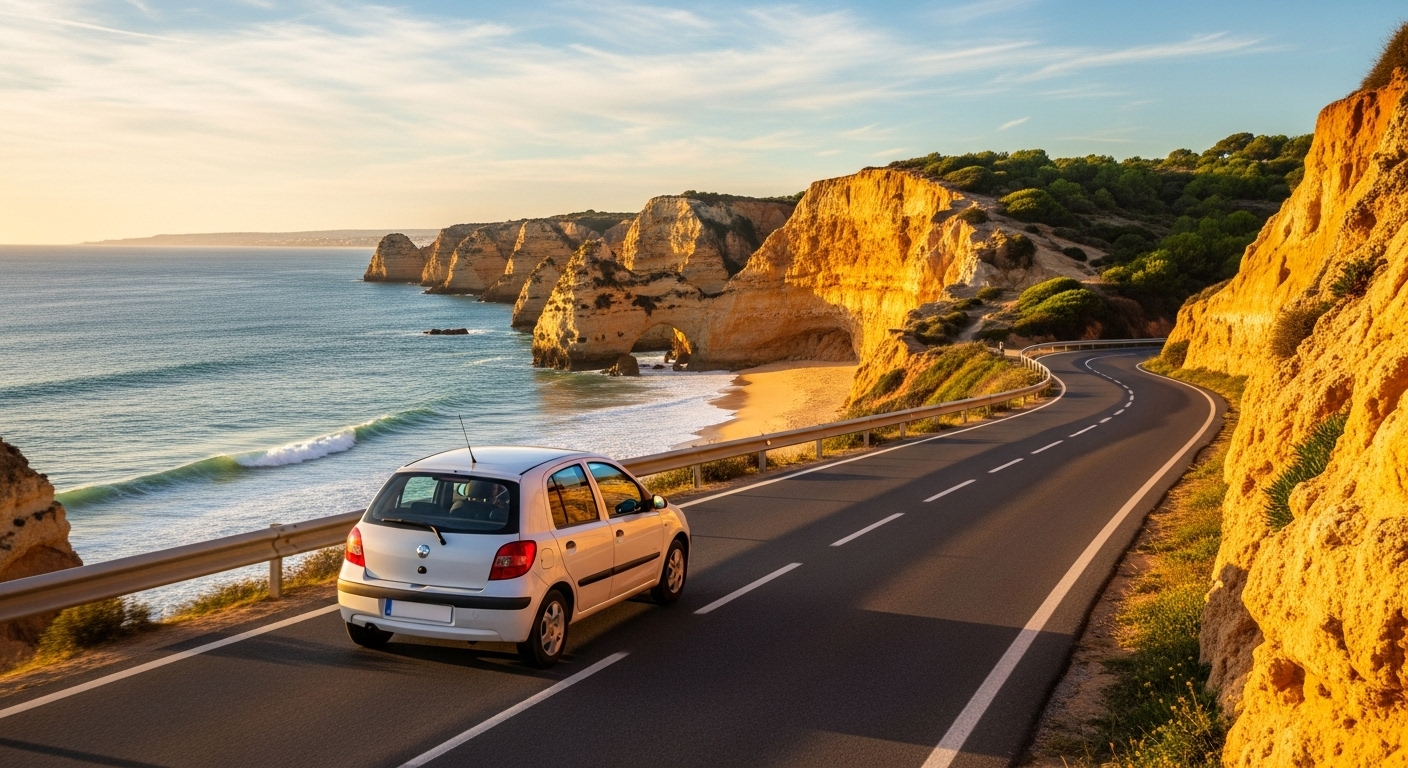
The Algarve looks small on a map, but it doesn’t behave like a small destination. Beaches are spread out, clifftop viewpoints sit miles apart, and many of the region’s most memorable towns don’t sit on major train lines. That’s why Algarve Portugal car rental is less about convenience and more about freedom.
At Greenspicks, we see this pattern clearly: travelers who understand local transportation early tend to enjoy the Algarve more and stress less. Renting a car isn’t about rushing from place to place; it’s about moving at your own pace and reaching locations that public transport simply doesn’t cover well.
Driving in Portugal – 10 Rules You Need to Know – Avoid expensive fines on the A22.
Understanding the Algarve: Geography Shapes Transportation
The Algarve stretches along Portugal’s southern coast, running from the Spanish border in the east to the rugged Atlantic coastline in the west. While it’s compact compared to other regions, its infrastructure was built around local life rather than mass tourism.
Popular hubs like Lagos, Albufeira, Tavira, and Faro are connected by rail, but the connections are slow and limited. Smaller beach towns, inland villages, surf spots, and cliffside viewpoints are usually only accessible by car.
This is why car rental in the Algarve, Portugal, spikes the moment travelers begin planning itineraries. The region rewards flexibility, and driving gives you exactly that.
Algarve Portugal Car Rental: What Travelers Get Wrong?
Renting a car in the Algarve is generally straightforward, but misconceptions can lead to frustration.
All Algarve Rentals Are Cheap
Base prices can look low, especially outside peak summer. However, final costs often depend on insurance choices, fuel policies, and vehicle category. A cheap headline rate doesn’t always reflect the real total.
I Don’t Need a Car If I Stay Central
Even centrally located hotels don’t eliminate the need for transport if you want to explore beaches, caves, or neighboring towns. Walking and buses work for limited plans, not regional exploration.
Any Car Is Fine
The Algarve has narrow streets, steep coastal roads, and limited parking in historic centers. Vehicle size matters more here than many travelers expect.
Choosing the Right Car for Algarve Travel
Compact Cars: The Practical Default
Most visitors choose compact or economy cars, and for good reason. They’re easier to park, handle narrow streets well, and cost less to rent and fuel.
Automatic vs Manual
Manual cars are far more common in Portugal. Automatics are available, but limited and usually more expensive. If you require an automatic, book early.
SUVs and Larger Vehicles
SUVs can be useful for families or travelers carrying surf gear, but they’re not necessary for standard Algarve routes. Off-road driving isn’t allowed on most rental contracts.
Picking Up Your Rental: Airport vs City Locations
Faro Airport Rentals
Faro Airport is the primary entry point for the region and the most popular place to pick up a car. Selection is wider, hours are longer, and it’s easy to start your journey immediately.
City-Based Rentals
Renting in towns like Lagos or Albufeira can work if you arrive by train, but options are more limited. Availability drops quickly during peak season.
For most travelers, Algarve rent a car searches lead back to Faro, and for practical reasons, that’s usually the right call.
Insurance in Portugal: What Actually Matters?
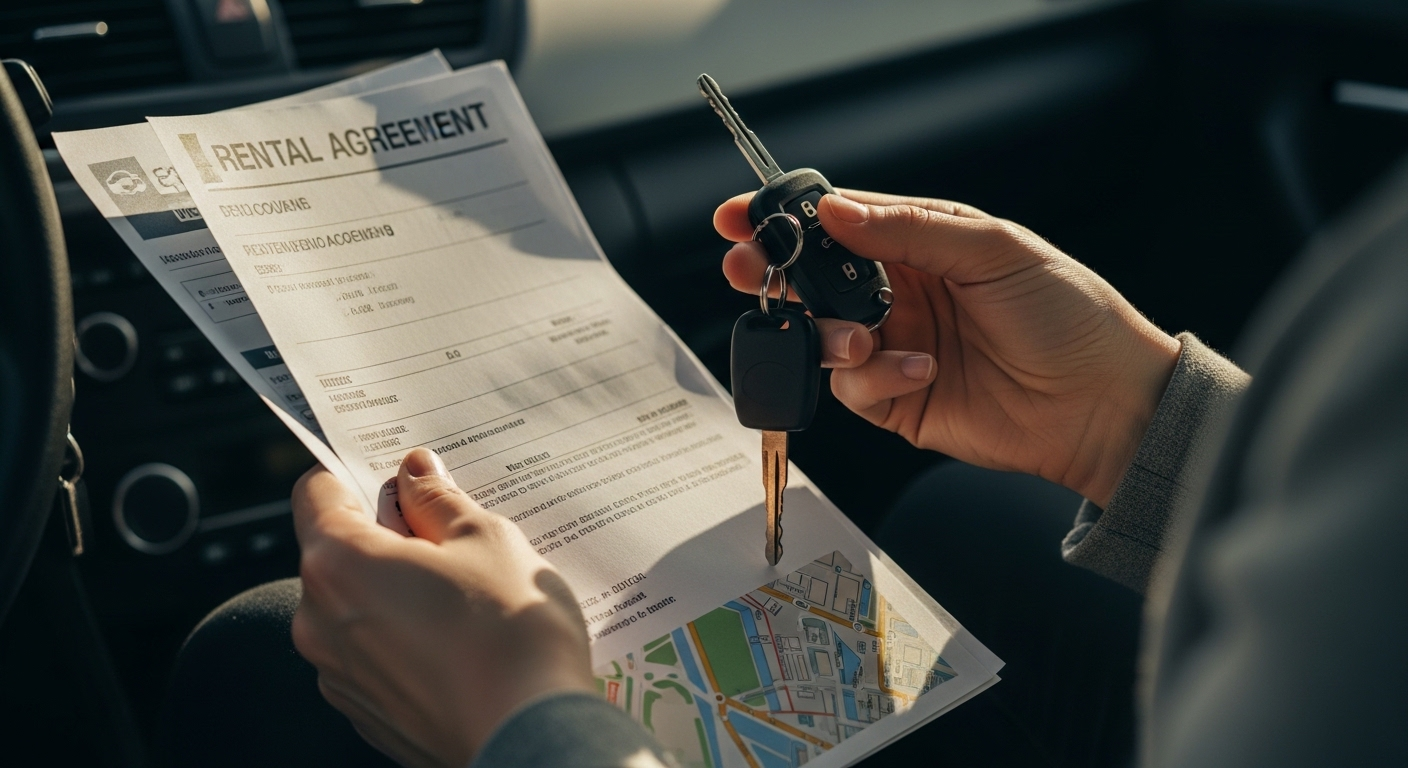
Insurance is where confusion often creeps in.
Basic Coverage
Portuguese rentals include mandatory third-party coverage, but this doesn’t protect the rental vehicle itself.
Collision Damage & Theft Protection
These reduce liability but usually come with high excess amounts. That means you’re still responsible for damage up to a set limit.
Full Coverage Options
Many travelers choose extended coverage to reduce or eliminate excess. The key is clarity in understanding what’s covered and what isn’t, especially for tires, glass, and undercarriage.
This is one area where Algarve car hire reviews often reflect frustration, not because coverage is unusual, but because expectations weren’t aligned at pickup.
Fuel Policies: Simple Rules, Real Impact
Fuel policies can quietly affect cost.
- Full-to-Full: Pick up with a full tank and return it full; usually the fairest option.
- Prepaid Fuel: Convenient, but rarely cost-effective unless you return nearly empty.
- Same-to-Same: Common with smaller operators; requires attention to fuel level.
Choosing the right policy isn’t about savings alone, it’s about avoiding disputes at return.
Driving in the Algarve: What It’s Actually Like?
Driving in the Algarve is generally relaxed, especially compared to larger European cities.
- Speed limits are clearly marked.
- Highways (A22) are well-maintained.
- Coastal roads can be narrow and winding.
Parking is the main challenge. Historic town centers often restrict vehicle access, and beach parking fills quickly in summer. Compact cars make life easier here.
Seasonal Differences That Affect Car Rental
Summer (June–September)
- Highest demand
- Limited availability
- Earlier booking essential
Spring & Fall
- Ideal balance of weather and availability
- Better pricing
- Less crowded roads
Winter
- Lower demand
- Best rates
- Some coastal towns become quieter
Timing matters as much as provider choice when it comes to Algarve car rentals.
Common Mistakes to Avoid
Booking Too Late
Waiting until arrival often means fewer choices and higher prices.
Ignoring Vehicle Size
Large cars can become a liability in older towns.
Not Documenting the Car
Photos at pickup and return save time and disputes.
Assuming Policies Are Universal
Terms vary more than travelers expect. Always read the specifics.
An Expert Perspective: Why Preparation Beats Bargain Hunting?
Thinking about exploring the sun-drenched cliffs of Lagos or the hidden surf spots of Sagres? If you’re visiting the Algarve, the question isn’t if you should rent a car, but how to do it without getting burned by hidden fees.
While Portugal’s public transport is decent between major cities, the real magic of the Algarve those tucked-away “Benagil” sea caves and mountain-top seafood shacks is only accessible by four wheels.
Here is everything we’ve learned from real-world testing and local expertise to make your Portuguese road trip seamless.
Real User Experiences: What It’s Actually Like
Most American travelers find driving in the Algarve surprisingly easy. The roads are well-maintained, and traffic is minimal compared to LA or NYC. However, two things catch people off guard:
-
Manual vs. Automatic: In Europe, “manual” is the default. If you can’t drive a stick shift, book your automatic car months in advance. They are rarer and more expensive.
-
The “Via Verde” Tolls: The A22 highway uses an electronic toll system. Most users recommend renting the “Via Verde” transponder from the rental agency (usually ~€2/day). It saves you the headache of trying to pay at a local post office later.
The 2026 Price Breakdown
Prices in Portugal fluctuate wildly based on the season. To get the best deal, aim for the “shoulder season.”
| Season | Typical Daily Rate (Economy) | Total for 7 Days (Est.) |
| Low Season (Nov–Mar) | $10 – $20 | $70 – $140 |
| Shoulder (Apr–May, Oct) | $25 – $45 | $175 – $315 |
| Peak Summer (Jun–Sep) | $50 – $80+ | $350 – $560+ |
Pro Tip: We found that renting for 7 days is often cheaper (or the same price) as renting for 5 days due to weekly discount algorithms.
Top 5 Rental Companies in the Algarve
Based on reliability, transparency, and fleet quality:
-
Luzcar: A local favorite. Often includes insurance in the initial quote no “counter pressure.”
-
Zest Car Rental: An excellent broker known for great customer service and “no excess” insurance options.
-
Avis/Budget: Reliable international standards, but expect to pay a premium.
-
Centauro: Great prices, but their offices are often slightly off-airport (requires a quick shuttle).
-
MasterCars: Known for personalized service and transparent fuel policies.
Expert Tips for a Stress-Free Rental
-
The “Full-to-Full” Rule: Always choose a “Full-to-Full” fuel policy. “Full-to-Empty” is almost always a scam where you pay inflated gas prices for a tank you’ll never fully use.
-
Credit Card Insurance vs. Local Insurance: Most U.S. credit cards (like Chase Sapphire or Amex) provide CDW insurance. However, if you use it, the rental company will “block” a large deposit (often $1,500+) on your card. If you want peace of mind, buy the local “Full Insurance.”
-
Size Matters: The streets in old towns like Ferragudo or Tavira are tiny. Don’t rent a massive SUV; an Economy or Compact car (like a VW Polo or Fiat 500) is much easier to park.
-
Document Everything: Use your phone to take a 360-degree video of the car at pickup including the wheels and the roof.
Here are a few internal guides you can jump to while browsing options:
-
How Much Does a Trip to Lisbon Really Cost?
-
How Much Does a Trip to the USA Cost? A Simple Guide for Travelers
-
Transylvania Trip Costs: Flights, Stays, Meals and Transport
-
Car Rental Deals: Find Cheap Rental Cars & Rent a Car
Conclusion
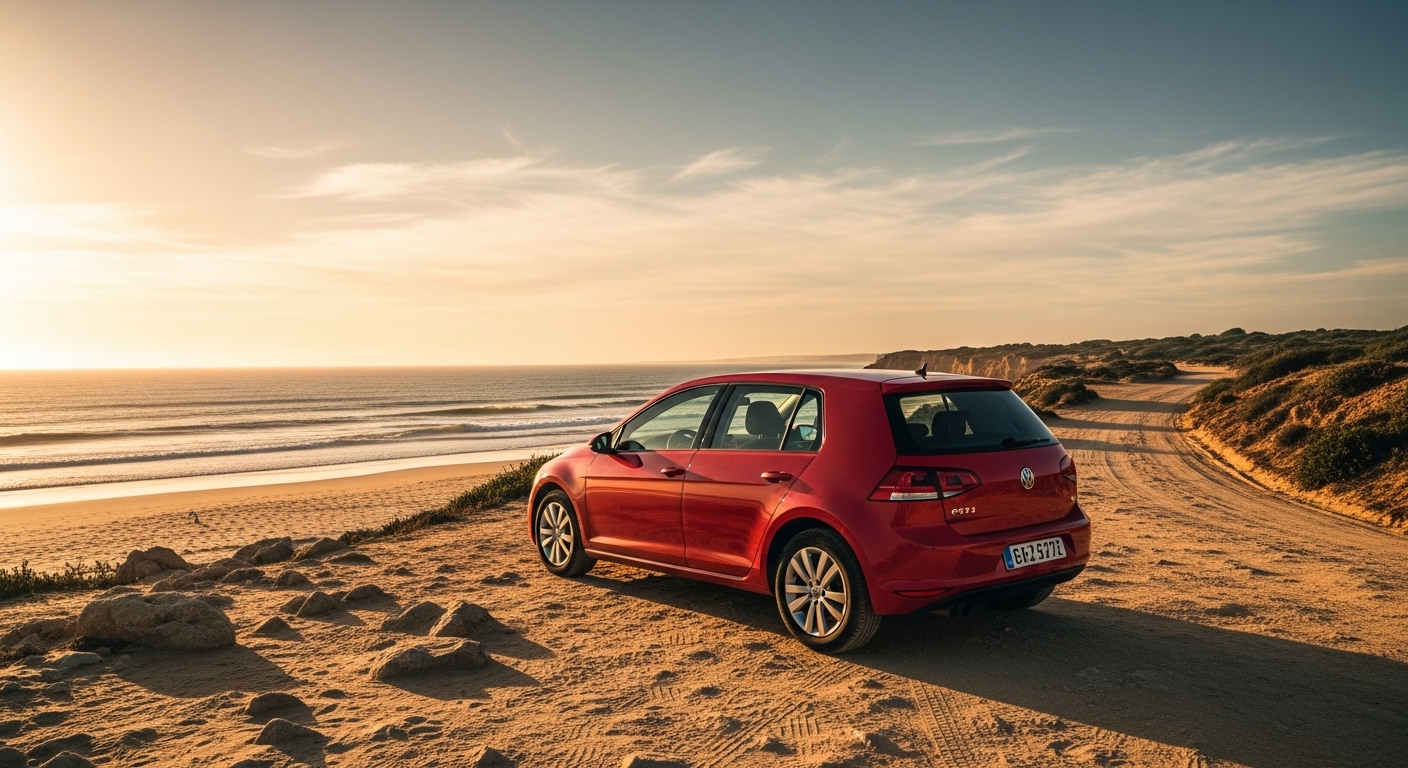
The Algarve rewards curiosity, flexibility, and realistic planning. Renting a car isn’t about ticking boxes; it’s about giving yourself room to explore without friction.
When you understand how car rental in the Algarve, Portugal, works in practice, decisions become simpler, and confidence follows. At Greenspicks, the focus is always on helping travelers make informed, pressure-free choices so the journey stays enjoyable from start to finish.
If you want deeper clarity on vehicle options, insurance basics, or seasonal planning, learning from real-world rental experience can make all the difference.
FAQs
Is renting a car necessary in the Algarve?
Not strictly, but it’s the most practical way to explore beaches, coastal viewpoints, and smaller towns beyond train routes.
Are automatic cars easy to find in the Algarve?
They’re available but limited. Booking early is strongly recommended if you need one.
What’s the best place to pick up a rental car?
Faro Airport offers the widest selection and the most flexible pickup times.
Is driving difficult for visitors?
Road conditions are good, signage is clear, and driving is generally calm. Parking in historic areas requires patience.
Does insurance really matter that much?
Yes. Understanding coverage details helps avoid unexpected costs upon return.