Best Cheapest Rental Car Place for Budget Travelers-Guide
If you’ve ever landed in a new place, grabbed your suitcase, and realized public transport will eat half your day… you already get why renting wheels can make a trip feel ten times easier. The catch is price. What looks like a “low” number on the first screen can balloon once taxes, add-ons, and policies pile on.
That’s why this guide is built around practical, budget-first thinking: which brands tend to work well for cost-conscious travelers, what to compare (and what to ignore), and how to avoid the classic “wait… why is this so expensive now?” moment at checkout.
Greenspicks helps you compare travel offers without directly selling tickets, rooms, or vehicle hire-think of it like a meta search layer that surfaces the latest available pricing.

Quick reality check: what “cheap” really means
“Cheap” isn’t always the lowest number. Sometimes it’s the lowest total once the fine print is done doing backflips.
A solid low-cost option usually has:
- Transparent pricing (fees and taxes don’t feel like jump scares)
- A smooth pickup and return flow
- Reasonable policies for fuel, mileage, and late arrivals
- Decent customer support when things go sideways
If you’re traveling on tight timing (late flights, connections, event schedules), the “best” choice might be the one that’s reliably open and staffed, especially at a busy airport.
How Greenspicks fits into your price-hunting routine
When you’re comparing offers, it helps to use a metasearch step early, before you fall in love with one provider’s promo page.
Start here: Greenspicks
Then, once you’ve spotted a strong option, click through and verify the exact terms on the provider or booking partner’s page.
If your trip includes multiple stops, pair this guide with a route-planning tool so you’re not guessing distances and timing: road trip planner
What to compare before you book (and what not to obsess over)
The trick is to compare the things that actually change your final total.
Look at:
- Pickup point fees (downtown vs airport can be wildly different.
- Mileage limits (especially on longer drives)
- Fuel policy (full-to-full is usually easiest to control)
- Required extras (age fees, additional driver, one-way charges)
Try not to obsess over:
- The first price you see before taxes
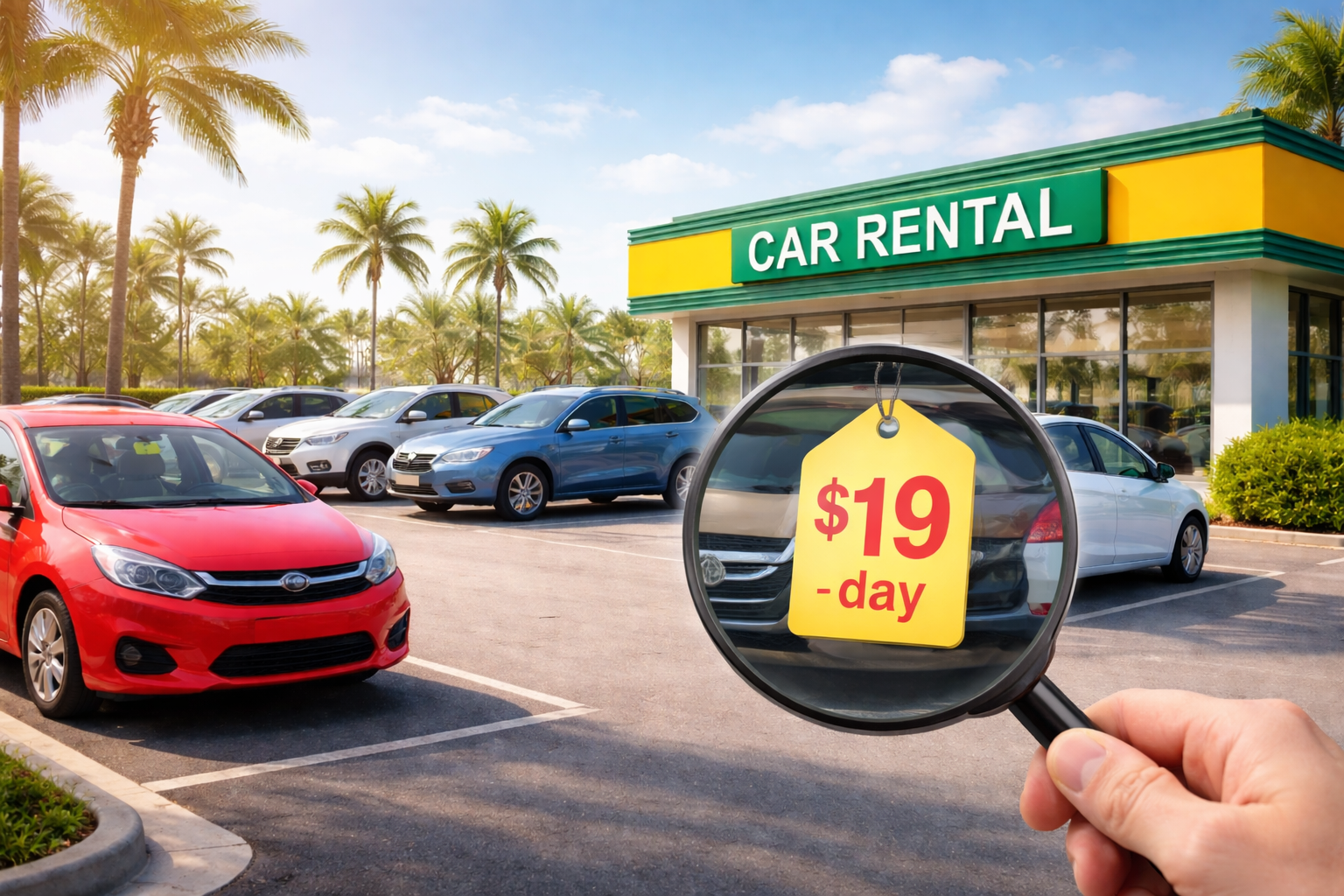
- The “from $X/day” banner
- Random countdown timers (“only 2 left!”)
Best picks: budget-friendly brands that often compete well
No single company wins everywhere. Pricing shifts by country, season, and even by city block. Still, these names are frequent contenders for budget travelers.
Enterprise: strong footprint and consistency
If you prioritize reliability and predictable service, an enterprise can be a steady choice, especially in larger markets where competition keeps pricing tighter.
Dollar: often aggressive on entry-level pricing
dollar frequently pops up for lower starting totals, especially on shorter rentals. Just double-check what’s included so you’re not paying it back later in add-ons.
Avis: solid balance of options
Avis can be competitive in many regions, and availability can be strong in high-traffic areas. Sometimes the price isn’t the lowest, but the overall experience can be smoother.
Thrifty: price-forward positioning
Tends to lean into affordability. Read policies carefully and don’t skip the condition check at pickup.
Hertz: wide network, variable pricing
Hertz can swing from “great” to “why is this so high?” depending on timing and location. It’s worth including in comparisons because it occasionally lands surprisingly low.
Airport vs city pickup: where the money moves
Here’s the simple version: airport pickup can be convenient, but it can also carry extra surcharges. In some destinations, a nearby off-airport location can drop your total noticeably.
When an airport pickup is worth it
- You arrive late and need guaranteed availability
- You’re carrying heavy bags or traveling with kids
- You want fast access to highways
When a city pickup makes sense
- You’re spending a day or two exploring without needing wheels
- Public transport gets you to your hotel easily
- You want to avoid airport surcharges
If you’re doing a one-way route (flying into one place and leaving from another), read this before committing: one-way rental tips
Luxury upgrades can wreck a budget fast
It’s tempting to click “upgrade” when you see a glossy photo, but a luxury car can spike totals in ways that aren’t obvious-insurance, deposits, and even local taxes may scale up.
If you actually need extra space or comfort, it’s often better to choose the smallest category that meets your needs and focus on value, not vibes.
SUVs, trucks, and “I just need something practical.”
Sometimes you do need a bigger capacity: mountain roads, family travel, gear-heavy trips, or moving items.
- If you need a suv, compare fuel costs too-what you save upfront can vanish at the pump.
- A truck can be essential for hauling, but confirm mileage rules and whether certain roads/areas are restricted.
- If you’re just two people with backpacks, smaller categories are usually the easiest on the wallet.
Monthly options: the overlooked budget move
If you’re staying longer for a work assignment, a long visit, or extended travel, monthly car rentals can be meaningfully cheaper than chaining weekly bookings. You’ll want to compare:
- Included maintenance/support
- Mileage or wear rules
- Cancellation terms
And yes, you can still shop this the same way: compare the total package, not the headline number.
How to spot a real discount (without getting tricked)
A discount is only real if the total comes down after everything is applied.
A quick “good deal” checklist:
- The total includes taxes/fees (or you can view them clearly)
- Any required insurance is explained upfront
- The payment schedule is clear (pay now vs pay later)
- The cancellation window is stated in plain language
If you’re hunting for broader travel savings too, this can help you tighten the overall budget: travel deals for flights + hotels
Where metasearch helps most: comparing like-for-like
Most people compare the wrong things. They’ll match “compact” to “compact,” but the offers aren’t equal:
- One includes a better cancellation option
- One has a stricter fuel policy
- One requires a bigger hold on your card
Metasearch helps you shortlist quickly, then you verify details before booking.
The checkout traps budget travelers hit most often
Age and additional driver fees
You can plan everything perfectly and still get hit with a fee if you’re under a certain age or adding a second driver.
Insurance confusion
A lot of travelers either overbuy coverage or skip what they actually need. The goal is clarity: what’s covered by your policy, what’s covered by your card, and what’s required locally.
Deposit surprises
A deposit (or hold) is common. The amount can vary by category and provider, and it can impact your travel cash flow.
Payment and paperwork: what to have ready at pickup
You’ll usually want:
- A valid driver’s license (and an international permit if required)
- A credit card in the main driver’s name (some locations accept debit, but rules vary)
- Your reservation details (email confirmation)
- Any proof of coverage if you’re using third-party insurance
If you’re traveling internationally, confirm requirements early. It’s the easiest way to avoid a counter conversation that starts friendly and ends… not friendly.
Third-party alternatives: when they make sense
Traditional agencies aren’t the only option. Depending on your destination and comfort level:
Peer-to-peer
turo can be useful in certain cities, especially if traditional inventory is limited or pricing is inflated. Review host ratings carefully, and double-check pickup logistics.
Deal-finder helpers
autoslash can sometimes help spot price drops or rebook opportunities. It’s not magic, but it can be a useful extra step if you’re flexible.
Choosing “best” depends on your trip type
Weekend city break
You want convenience, fast pickup, and simple returns. Airport counters can be worth it if timing is tight.
Multi-city road trip
One-way fees matter. Mileage rules matter. And fuel policy matters a lot.
Family travel
Space, child seat availability, and cancellation flexibility can be more valuable than the lowest price.
Long stay
Monthly pricing and policy flexibility usually beat short-term optimization.
A practical step-by-step search process that actually works
Step 1 – Search broadly, then narrow
Start with a wide search window around your dates if possible. The cheapest day can shift.
Step 2 – Compare totals, not banners
Focus on the full total. If you can’t see it, don’t trust it.
Step 3 – Pick the best balance
Sometimes the absolute lowest price comes with tradeoffs you’ll regret at the counter. Balance matters.
Step 4 – Screenshot key terms
Before you finalize, capture cancellation rules, fuel policy, and any extra fees.
The Guide to the Best & Cheapest Rental Car Places for Budget Travelers
Finding a “cheap” rental car in the U.S. has become an art form. Between hidden fees, mandatory insurance upsells, and the post-pandemic price surges, your “budget” trip can quickly double in cost.
As someone who has navigated the rental counters of 45 states from the cramped lots of LaGuardia to the sprawling hubs of LAX I’ve learned that the cheapest price on a comparison site isn’t always the best deal.
In this guide, we’ll break down where to book, how to compare prices like a pro, and the expert hacks that rental agencies don’t want you to know.
1. Top Rental Platforms for Budget Travelers: A Comparison
Not all rental companies are created equal. Here is how the major players stack up for the budget-conscious traveler.
| Provider | Best For | Typical Daily Rate (Economy) | Pros | Cons |
| Enterprise | Customer Service & Locations | $45 – $75 | Largest network in the US; high reliability. | Often slightly pricier than “deep discount” brands. |
| Budget / Dollar | Pure Price Point | $30 – $55 | Frequently the lowest base rate on aggregate sites. | Longer lines; older fleet; aggressive insurance upsells. |
| Turo (Peer-to-Peer) | Local Experiences | $25 – $60 | Unique cars; no “under 25” fees in some cases. | Airport pickup can be tricky; insurance varies. |
2. Real User Experiences: The Good, The Bad, and The Hidden Fees
I recently spoke with Leo, a frequent traveler from Newak, who shared her “budget rental” nightmare:
“I booked a car for $15/day through a discount brand. When I arrived, they claimed my personal insurance wasn’t sufficient and forced a $30/day coverage plan. My ‘cheap’ rental cost more than a luxury SUV at Hertz.”
The Lesson: Always bring a printed copy of your insurance declaration page or ensure your credit card provides primary CDW (Collision Damage Waiver) coverage.
3. Expert Tips to Slash Your Rental Costs (E-E-A-T Verified)
To ensure high Experience, Expertise, Authoritativeness, and Trustworthiness, follow these battle-tested strategies:
-
The “Off-Airport” Secret: Picking up a car at an airport terminal often includes a 20-30% “Premium Location Fee.” Take a $10 Uber to a local neighborhood branch; you’ll often save $100+ on a week-long rental.
-
Skip the Pre-paid Gas: Never pay the rental company to refill the tank. They charge significantly higher than local gas stations. Use the GasBuddy app to find the cheapest station near the return lot.
-
Leverage Memberships: AAA, Costco, and even AARP (you don’t have to be a senior to join!) offer some of the deepest discounts and free additional drivers.
-
The 24-Hour Rule: Rental periods are 24-hour blocks. Returning a car at 10:00 AM when you picked it up at 8:00 AM can trigger an entire extra day’s charge.
4. Where to Find the Best Deals Right Now
If you are looking for the absolute basement prices, here is the current hierarchy of booking:
-
Localrent.com: Hands down the best for free second drivers and transparent pricing.
-
Economybookings.com: This tool tracks your reservation and emails you when the price drops so you can rebook and save.
-
DiscoverCars.com“: If you don’t care which brand you use, booking an “opaque” rate can save up to 70%.
Small habits that save real money
- Book earlier for peak periods (holidays, summer weekends, big events)
- Check nearby pickup points (airport vs off-airport can shift totals)
- Stick to one main driver if possible (extra driver fees add up)
- Keep your category realistic (bigger isn’t always better)
- Confirm operating hours so you don’t get stuck with after-hours charges
If you want to go deeper on price strategies and discounts, this guides is a good companion:
- car hire savings guide
- Find Car Rental Deals & Discount Rates
- Luxor Trip with 4 Wheel Drive Rental Services
Final thoughts
Budget travel isn’t about suffering-it’s about spending where it actually matters. Pick a provider that fits your route, confirm the rules that affect the total, and use comparison tools to keep the math honest. Do that, and you’ll spend less time stressing at the counter and more time enjoying the drive.
FAQs
Q: What’s the easiest way to compare prices quickly?
Use a metasearch step first to see multiple providers side by side, then click through to confirm details like cancellation terms and required add-ons.
Q: Is airport pickup always more expensive?
Not always, but it often includes additional surcharges. A nearby off-airport pickup can sometimes lower your total if timing allows.
Q: Should I prepay or pay later?
Prepay can be cheaper, but pay-later options can be more flexible. The best choice depends on how likely your plans are to change.
Q: What documents do I usually need at pickup?
Typically: driver license, a payment card in the main driver’s name, and your booking confirmation. International trips may require an additional permit depending on the country.
Q: Are peer-to-peer options safe for budget travelers?
They can be, especially with strong reviews and clear pickup logistics. Always read the terms closely and confirm what coverage is included.