France Car Hire Deals | Compare Cheap Rental Cars
France is the kind of place that keeps changing its mood. One day you’re strolling past the Louvre in the capital city, the next you’re following a winding lane through lavender fields, and by evening you’re parked near a tiny seaside café on the south coast. That’s why car rental makes so much sense here. Trains are great for headline cities, but the real magic often starts when you leave the station behind.
For travelers who want flexibility, car rental in France opens doors that fixed timetables can’t. You can chase a sunny lunch in Provence, stop by a vineyard outside Bordeaux, and still reach the stunning coastline before dusk. For anyone planning to rent a car, timing, pickup point, and road know-how can make the whole trip smoother.
Why a France Car Trip Feels Different
A French car rental plan gives you breathing room. You’re not boxed into a rigid route. You can drift from Lyon to Marseille, swing west toward Montpellier, or point the wheel north to Normandy and the region of Brittany. France rewards detours. A roadside market, a hilltop chateau, a sleepy harbor, a boutique bakery with warm pastries still on the tray those are the moments people remember.
This kind of travel suits couples, families, and solo explorers alike. Some visitors want museum days and city dinners. Others want a proper road trip through rolling countryside, alpine curves, and villages that look painted into the landscape.
Freedom Beyond the Big Cities
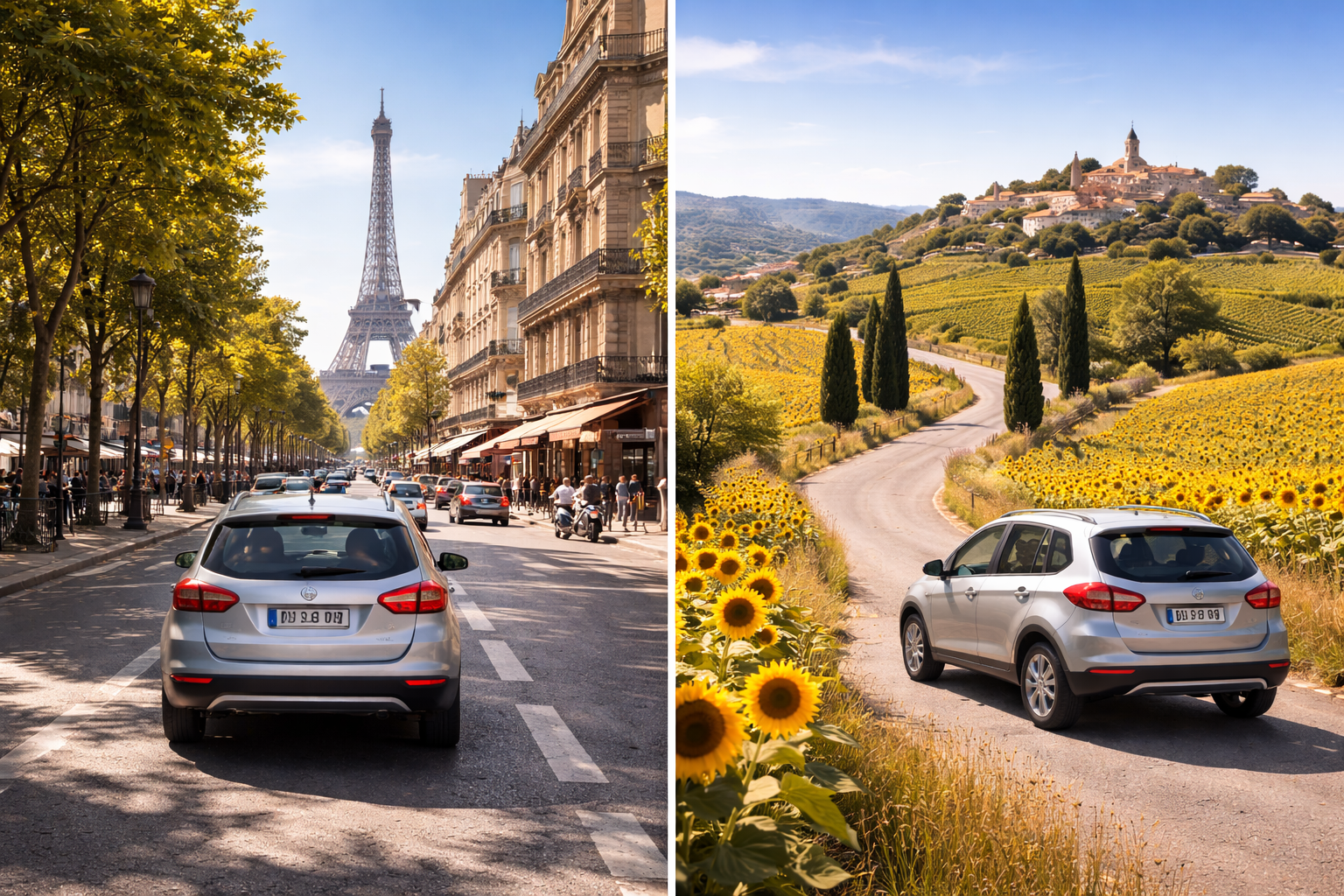
Paris grabs the headlines, but plenty of the country’s charm sits outside the obvious route. With a rental car, it’s easier to link famous sights with smaller local finds. You can pair urban stops with quiet coastal stretches, hill towns, or a scenic drive past sunflower fields and river valleys.
That freedom also helps when hotel plans shift. If one area feels too busy, you move on. If a beach town steals your heart, you stay longer.

Best Starting Points for Car Rental Locations in France
The smartest pickup point depends on your route. Some travelers arrive at Charles de Gaulle, while others start in Bordeaux, Nice, or Marseille. Major rail hubs can also work well if you’d rather skip city traffic on day one.
Airport Pickups and Easy Departures
Choosing an airport collection point can save time, especially after a long flight. The biggest advantage is convenience: you land, sort the paperwork, and go. If your first stop is outside Paris, that can be a real win.
Travelers heading for the French Riviera often start near Nice. Those bound for wine country may prefer Bordeaux. Anyone focused on the south coast, the Côte d’Azur, or the southern coast of France usually wants a simple handoff and a fast exit from the terminal roads.
Major Airports That Work Well
France includes Paris, Nice, Marseille, Lyon, Toulouse, and Bordeaux among the most practical entry points for drivers. These major airports tend to have a broad range of vehicles, from compact city-friendly models to roomy estates and SUVs built for family luggage.
How to Pick the Right Vehicle for France With Ease
Not every journey needs the same setup. Small cars are ideal for dense streets, old quarters, and tight parking spaces. A larger model suits long motorway days or mountain routes. If you’re traveling with sports gear, child seats, or extra bags, more space matters quickly.
When an SUV Makes Sense
A modern SUV can be handy for alpine weather, rural lanes, and longer drives with multiple passengers. That said, compact options are often easier in older towns where stone walls and narrow entries leave little room for error.
A comfortable cabin can improve the full driving experience, especially when you’re covering distance from Calais to the Alps or hugging the coast near Cannes and St Tropez.
Save up to 20% on your France SUV rental by booking today! 💸
Brands, Booking Windows, and Affordable Rates
Well-known names like Hertz, Sixt, and Europcar are familiar to many travelers, but price alone shouldn’t decide everything. Look at fuel rules, mileage terms, deposit policy, and whether the desk is inside the terminal or requires a shuttle.
How to Spot Better Car Rental Deals
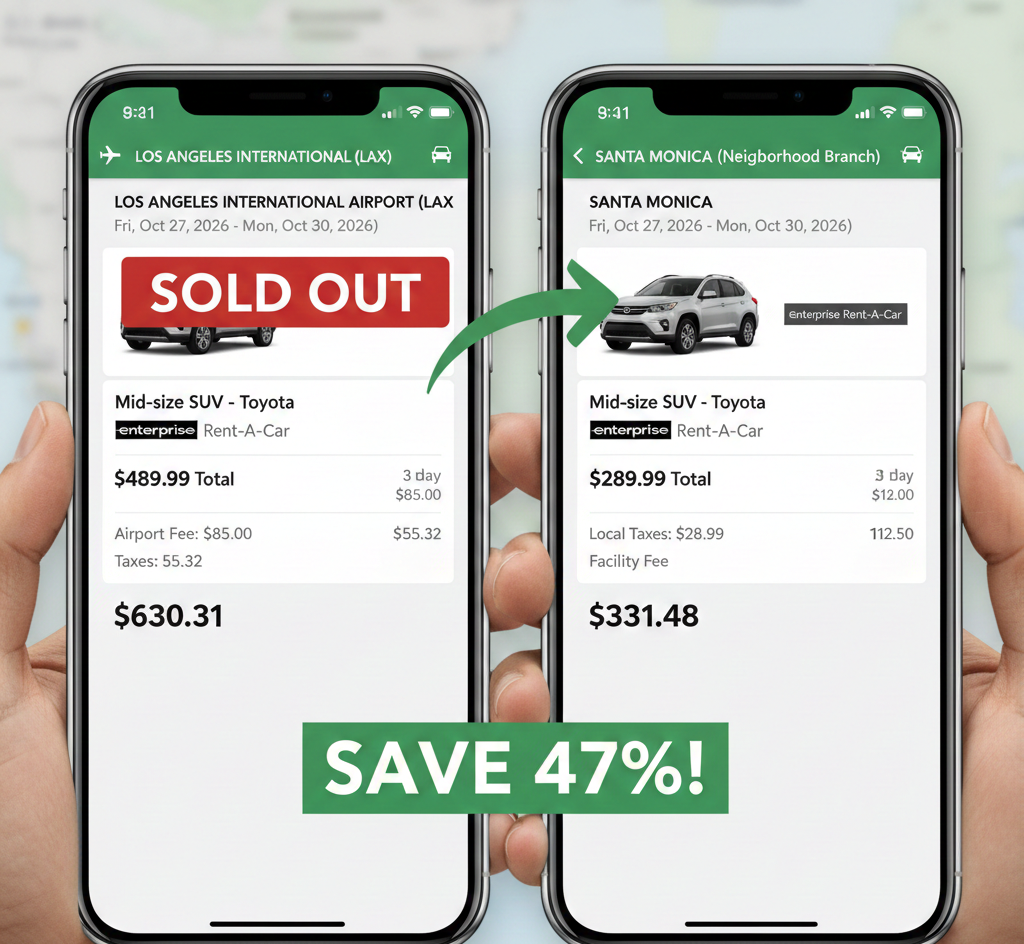
The best car rental deals usually come from comparing supplier terms instead of chasing the flashiest headline price. Check whether extras are bundled, what insurance is included, and how easy the return process looks.
Booking early often gives better affordable rates, especially in summer, around school holidays, and during festival periods in the Riviera. In quieter months, you may see softer rates when you book ahead and keep your dates flexible.
Why Booking Online Helps
It’s often easier to book online because you can compare car size, cancellation rules, and pickup timing side by side. Once you’re happy with the terms, book your rental car before peak demand tightens the inventory.
Where to Go Once You Pick Up Your Rental Car
France works beautifully in layers. You can start with a headline city, then peel away into quieter districts where the pace softens.
Bordeaux, Vineyards, and the Atlantic Side
Bordeaux is a strong base for food lovers and wine fans. The surrounding vineyard roads are easy to enjoy at a relaxed pace, with lots of elegant towns in striking countryside. The western side of the country also gives you a different atmosphere from the Mediterranean edge, cooler light, wider spaces, and a calmer rhythm.
For readers planning more European escapes, Greenspicks also has a handy Bordeaux travel guide and broader trip ideas on the main site.
Lyon, Food, and Historic Streets
Lyon blends serious dining with walkable old neighborhoods. It’s a good midpoint if you want to split your journey between north and south. From here, drivers can continue toward the Alps, slip down toward Provence, or stay nearby for slower regional exploring.
Marseille, Montpellier, and the Southern Coast of France
Marseille feels raw, lively, and salty in the best way. Montpellier is polished yet youthful. Together, they open the door to the southern coast of France, with easy access to hidden coves, port towns, and long stretches of sun-baked highway.
Discover France Through Regional Drives
A traveler who wants to discover France by road is spoiled for choice. Every region changes the texture of the journey.
Provence and Lavender Country
Provence delivers one postcard after another: stone villages, olive groves, market squares, and lavender fields rolling into the distance. This is where a slow pace pays off. Pull over often. Wander without a plan. Let lunch become the center of the day.
Normandy and the Northern Coast
Normandy offers history, sea air, and broad horizons. It’s less glossy than the south, but deeply memorable. Coastal drives here feel grounded and atmospheric, especially when skies turn silver over the water.
The Alps and Mountain Roads
The Alps bring sharper bends, cooler temperatures, and dramatic elevation. Drivers need focus, but the payoff is huge: crisp air, wide views, and access to winter ski slopes or summer valleys lined with wildflowers.
Scenic Stops That Deserve Extra Time
From the stunning coastline of the Mediterranean to the rolling countryside inland, France keeps changing its scenery. Add a stop near a chateau, a quiet lake, or a hill town with a church bell echoing over the square, and your route becomes its own attraction.
Explore France Along the Côte d’Azur
To explore France at its most glamorous, head for the côte d’azur. This is where seaside elegance meets old-money sparkle and dramatic sea views.
Cannes, Nice, and St Tropez
Cannes is polished and people-watching heaven. Nice balances energy with charm. St Tropez still carries that rich and famous aura, though there’s more to it than luxury yachts. The villages nearby can feel softer and more intimate.
Drive part of the Promenade des Anglais, then continue through the French Riviera toward hidden beaches and clifftop lookouts. The côte scenery can be dazzling, especially when the water goes bright blue under the afternoon sun.
If France is part of a bigger Europe plan, Greenspicks readers might also like this guide to Europe’s must-see tourist gems and the site’s Paris destination page.
Driving Rules You Should Know Before Hiring a Car
Before hiring a car, get familiar with local laws. France is generally straightforward, but small mistakes can get expensive fast.
Documents and Legal Basics
Bring a valid driver’s license, passport, booking confirmation, and payment card that matches the reservation details. Some providers may also ask for an International Driving Permit depending on your origin country.
Road Signs, Roundabouts, and Speed Limits on French Roads
Watch every road sign carefully, particularly near urban areas and older villages. France uses lots of roundabout junctions, and confidence helps. On faster roads, rules can change quickly depending on weather and route type.
Keep an eye on speed limits on French roads, especially when moving between town centers, dual carriageways, and autoroutes. A motorway can feel smooth and fast, but speed cameras are common, and fines aren’t hard to trigger.
French Motorway Tips
A French motorway drive is usually efficient, though tolls are part of the deal on many autoroutes. Carry a card, stay alert when entering toll lanes, and don’t treat the road like a racetrack just because the surface is excellent.
City Driving vs Rural Driving in France
There’s a big difference between navigating French cities and wandering rural lanes. In dense urban centers, parking and one-way systems are the main headaches. Outside the cities, the challenge shifts to narrow roads, tractors, cyclists, and village turns that appear with almost no warning.
Low Emission Zone Checks
Some areas now use a low-emission zone system. If your route includes larger urban districts, check restrictions before arrival. That matters even more if you’re entering central zones for a hotel stay.
Hands-Free Systems and Driver Focus
France takes safety seriously. Avoid using a phone casually behind the wheel. Hands-free systems don’t mean you can stop paying attention. The smartest drivers keep distractions low, plan stops properly, and let the road set the pace.
Car Rental Services for Different Trip Styles
Good car rental services should match the shape of your trip, not force you into a one-size-fits-all booking.
For Couples and Slow Travelers
A compact model suits romantic routes, boutique stays, and relaxed village hopping. It’s practical, easy to park, and less stressful in narrow lanes.
For Families and Long Routes Across France
Families often need luggage room, comfort, and an easier child-seat setup. A larger cabin helps when covering distance across France, especially if you’re moving between several overnight stops.
For Coastal Holidays and Beach Days
If your plan is mostly seaside, think about sand, bags, coolers, and the odd wet towel. Simple details matter more than flashy upgrades when you’re going from the beach to a sunset dinner with salty hair and tired feet.
A Sample France Car Route That Actually Works
Start in Paris for culture and classic landmarks, including a morning near the Louvre. Then head south through Lyon, swing into Provence, and continue to Marseille or Montpellier. After that, follow the coast through Cannes and Nice, then decide whether to stay on the Riviera or loop inland again.
This route gives you a strong mix of food, history, sea views, and open-road pleasure. It also keeps the journey varied, so you never feel stuck in one mood too long.
For more inspiration, Greenspicks has extra reading on planning a road trip with maps and a useful guide to renting a car one way.
France Car Rental Tips for Better Value
A little planning goes a long way. Compare fuel policies, inspect the body before leaving, photograph existing marks, and ask about late-return grace periods. Small details often matter more than the sticker price.
What to Check Before You Drive Off
Make sure the lights work, the tires look healthy, and the spare or repair kit is present. Confirm the pickup and drop-off times in writing. Also, ask where to pick up your rental car if the desk and parking area are in different places.
How to Avoid Common Cost Traps
Don’t assume the cheapest option is the smartest. Fees can build up through young-driver surcharges, extra mileage, premium station returns, and missing refuel rules. The clearer the terms, the easier it is to enjoy the freedom instead of arguing over a counter receipt.
Why France With Ease Is More Than a Slogan
You don’t need a perfect itinerary to travel France with ease. You just need enough structure to feel confident, plus enough flexibility to follow the day where it leads. Maybe you stop for oysters near the coast. Maybe you turn inland because a local mentions a market. Maybe a tiny village square becomes the highlight of the week.
That’s the charm of road travel here. You’re not simply moving between places. You’re stitching together moods, flavors, views, and surprises. A good vehicle gives you the option to chase those moments without overthinking every connection.
For U.S. Travelers User Experience (2026 Edition) 🇫🇷🚗
While France has an incredible rail system, nothing beats the freedom of having your own wheels. But for Americans, the French rental market can feel like a maze of hidden fees and “manual” surprises.
🗣️ Real User Experiences: What Travelers Are Saying
“I thought I booked a great deal, but when I showed up, I realized I’d rented a manual transmission. Learning to shift gears on a hilly road in the Loire Valley was not the ‘French Romance’ I had in mind! Always check the ‘Automatic’ box twice.” Adam B, Utah
“Don’t skip the International Driving Permit (IDP). I was pulled over near Nice for a routine check, and the officer wouldn’t even look at my US license without the translation. It cost me $20 at AAA and saved me a massive headache.” Evelyn S, Wisconsin
✅ The Plus-Contra (Pros & Cons) of Renting in France
The Plus (Advantages) 🟢
-
Freedom: Reach hidden villages like Gordes or Eguisheim where trains don’t go.
-
Cost-Efficient for Groups: For 3+ people, renting is often cheaper than multiple TGV tickets.
-
Scenic Routes: Access to the Routes des Vins (Wine Roads) at your own pace.
The Contra (Challenges) 🔴
-
Tiny Parking Spaces: French “parking spots” are often half the size of a US spot.
-
Expensive Fuel: Gas is sold by the liter and can cost double what you’re used to in the States.
-
Toll Roads: “Péages” on highways can add up quickly (Paris to Nice can cost ~$80 in tolls).
📊 The Comparison: Global Brands vs. Local Favorites
| Company | Best For… | Approx. Daily Rate (USD) | Pros | Cons |
| Sixt | Luxury & Style | $85 – $110 | Premium fleet, great tech. | Can be pricey; strict fuel policies. |
| Alamo | US Travelers | $70 – $95 | Familiar service, clear terms. | Fewer locations in rural areas. |
| Europcar | Availability | $65 – $90 | Massive network across France. | Long wait times at airports. |
| Leclerc / Super U | Budget (Local) | $45 – $60 | Unbeatable prices. |
💡 Expert Tips for a Smooth Ride
-
Book the “Automatic” Filter Early: In Europe, manuals are the default. Automatics are limited and sell out fast book at least 3 months in advance. 📉
-
The “Priority to the Right” Rule: In cities, cars coming from the right often have the right of way unless otherwise marked. This is the #1 cause of accidents for tourists! ⚠️
-
Credit Card Insurance: Many US premium cards (like Chase Sapphire or Amex) cover CDW (Collision Damage Waiver). Check your benefits before paying the rental agency $30/day for extra insurance. 💳
-
Avoid the “City Pickup”: Picking up a car in central Paris is a nightmare. Take the train to a smaller city (like Tours or Avignon) and pick up your car there. 🚉
Compare the best rental rates for your French adventure HERE!
Final Thoughts
France rewards curiosity. A rail pass can show you the skeleton of the country, but the roads reveal the soul of it the vineyard turns, the chic seaside corners, the castle-lined valleys, the quiet bakeries, the scenic pull-offs, the little choices that make a trip feel personal. Choose smart, drive calmly, and let the miles bring the story to you. 🇫🇷✨
FAQs
Q: Is it better to rent a car in France or rely on trains?
It depends on your route. Trains are excellent between major cities, but driving works better for villages, coastal detours, and countryside areas where public transport gets patchy.
Q: Which places are best for car rental locations in France?
Paris, Bordeaux, Lyon, Marseille, and Nice are among the most practical starting points. They give easy onward access to different parts of France, depending on whether you want cities, wine regions, mountains, or coast.
Q: Do I need special documents for a rental car in France?
You’ll usually need your license, passport, reservation details, and a payment card. Some travelers may also need an International Driving Permit, so it’s wise to check before departure.
Q: Are toll roads common when driving in France?
Yes, many fast roads use toll systems. If you’re covering long distances, factor that into the budget and keep a card ready for payment lanes.
Q: What’s the best time to book for car rental deals?
Earlier is usually better, especially for summer, holidays, and Riviera travel. Comparing suppliers in advance often helps you find cleaner terms and stronger value than waiting until the last minute.