
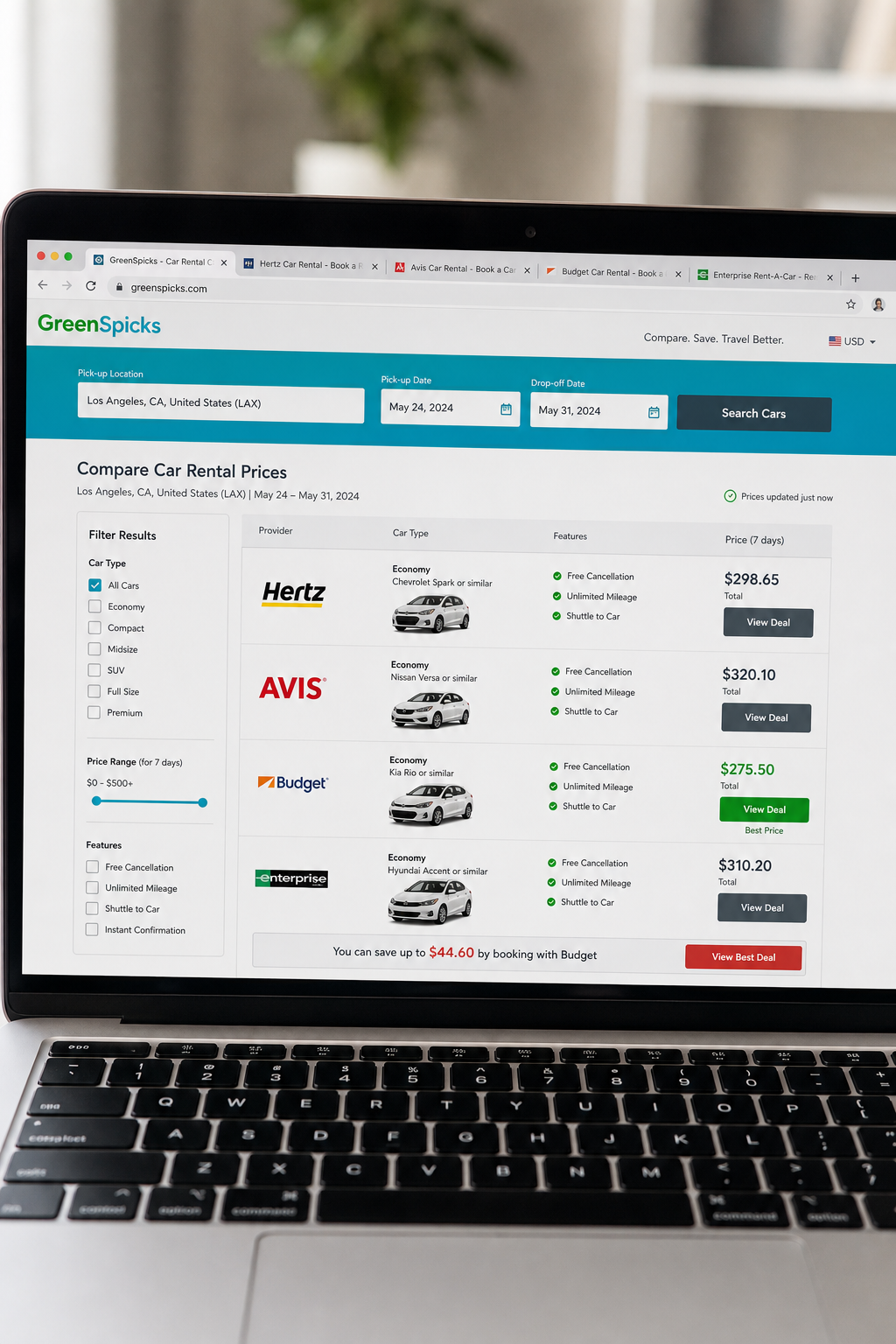
Ever booked a week-long car rental and watched the price jump from $250 to $700? Stick around because we’re going to spill the exact process we use to hunt down the cheapest weekly rates, from price-tracking tools to loyalty hacks, so you can keep more cash in your pocket and hit the road for less. Based on our research, even the biggest brands can be worlds apart on weekly price, Hertz under $50, Budget over $240, yet both promise unlimited miles. That gap is exactly why you need a strategy. In this guide, we’ll show you how to compare prices across platforms, use memberships, avoid hidden fees, and choose the right insurance. Let’s get started.
How to Compare Weekly Car Rental Prices Across Platforms
The first rule of finding weekly car rental deals? Never book the first rate you see. Prices vary wildly depending on the platform you use. Start with a metasearch site like Kayak or GreenSpicks to get a broad view. Then dig deeper.
We checked rates for a standard car over seven days in Los Angeles. Hertz came in at $49, yes, $49, with unlimited miles. Budget wanted $248 for the same mileage allowance. That’s a five-fold difference. This comes from Kayak’s own data on unlimited mileage offers. So always compare at least three sources before you commit.
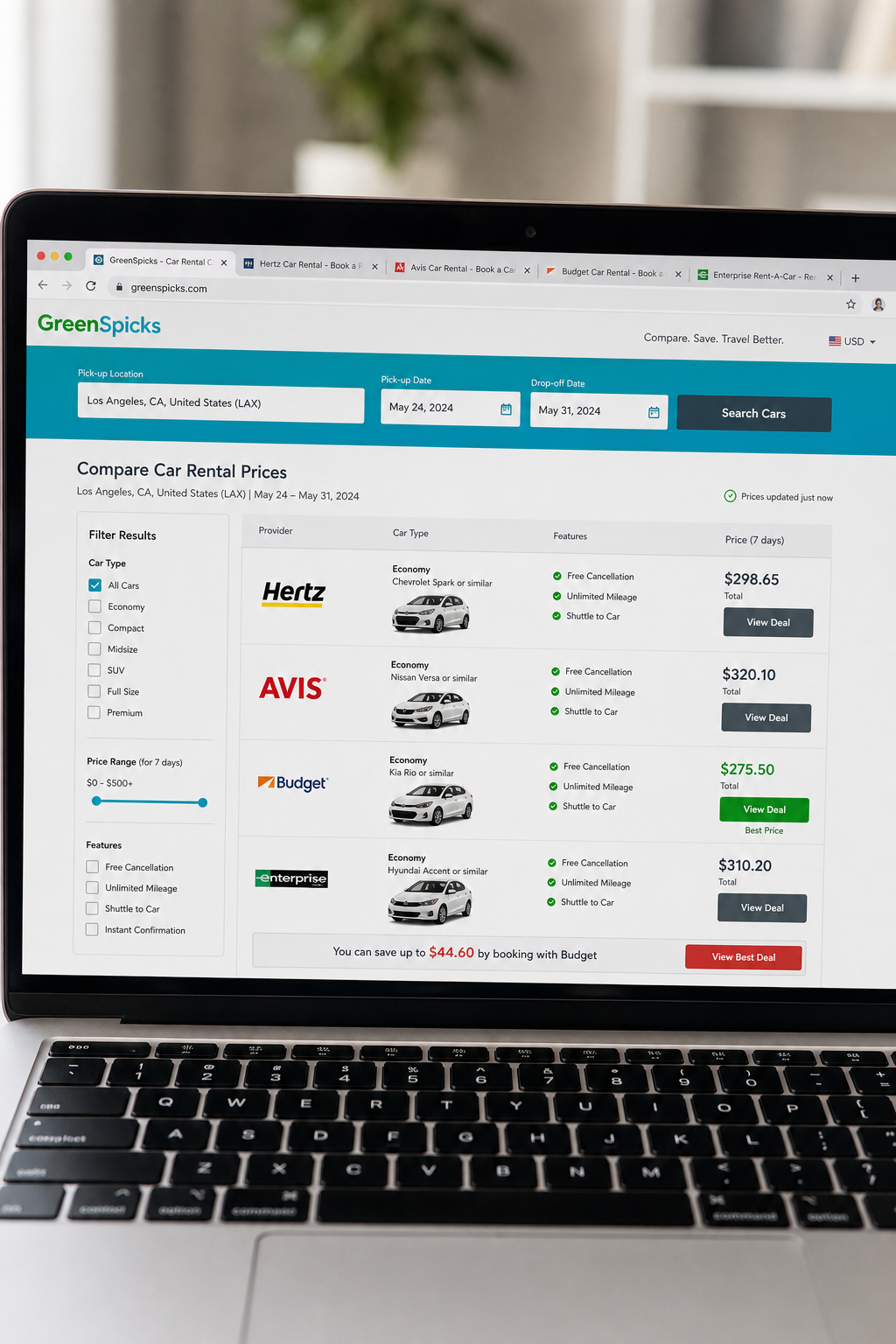
Use at least two aggregator websites. Each one has different partnerships. For example, AutoSlash and GreenSpicks both search dozens of companies. We like to start with GreenSpicks because it shows real-time prices from trusted partners. Then we cross-check with Costco Travel if we have a membership. In a recent test, Costco beat every other site by $20 on a weekly rental.
Another trick: check prices on the rental company’s own website after you see an aggregator rate. Sometimes they offer exclusive promos. But don’t stop there. Use a price-tracking tool like AutoSlash. You book a refundable rate, then let the tool monitor for drops. If the price goes down, you rebook. We’ve seen savings of $200 on a single weekly rental using this method.
According to Wikipedia’s overview of the car rental industry, dynamic pricing based on demand is standard. That’s why timing matters. Book early, but keep a free-cancellation option open.
Finally, don’t overlook the rental day calculation. Most weekly deals require a minimum of five days, but some count differently. For example, if you pick up Monday at noon and return Friday at noon, that’s four 24-hour periods. You might need to add a few hours to qualify for the weekly rate. Check the fine print.
Bottom line: Always use multiple comparison tools, track prices after booking, and understand the rental period rules to snag the real weekly car rental deals.
Use Loyalty Programs and Membership Discounts
Loyalty programs are your secret weapon. They’re free to join and can slash your weekly rate. For example, Alamo Insiders offers a 5% discount on base rates. That could add up to $25 on a $500 weekly rental. According to The Points Guy’s breakdown of rental car loyalty programs, even basic membership gets you perks like skipped lines and free upgrades.
Costco Travel is another goldmine. If you’re a Costco member, you can book through their travel portal. In a comparison, Costco’s weekly rate for a standard car was $286, while the same car on Budget’s site was $404. That’s a $118 saving just because you used a membership. Plus, Costco often includes a free additional driver, which can save you $15 per day.
Other memberships work too. AAA members get up to 20% off at Hertz. AARP offers discounts at Avis and Budget. If you have a United MileagePlus credit card, you might get Avis President’s Circle status, which includes free upgrades and faster service.
Also check your credit card benefits. The Platinum Card from American Express provides complimentary Avis Preferred status. This lets you skip the counter and go straight to your car. For weekly rentals, that convenience alone can save you an hour of waiting.
And don’t forget airline miles. You can often redeem miles for rental cars, but the value is usually lower than using them for flights. However, if you have a small stash of miles that won’t get you a ticket, using them for a rental can be a smart move. Just compare the cash price first.
Bottom line: Free loyalty programs and memberships like Costco, AAA, and credit card perks can cut your weekly car rental deals by up to 30%.
Booking Early with Free Cancellation: Lock in Your Deal
Car rental prices are volatile. They can spike a week before your trip. That’s why you should book as soon as your plans are firm. But here’s the kicker: always choose a rate with free cancellation. That way, if prices drop, you can cancel and rebook at the lower rate.
Many platforms, including GreenSpicks, let you filter by free cancellation. When you use a price-tracker like AutoSlash, you enter your existing booking details. If the price falls, they email you. We’ve seen weekly rates drop by $80 in one week.
The difference between refundable and non-refundable can be big. Non-refundable rates might be $50 cheaper upfront, but if you need to cancel, you lose everything. For weekly rentals, that risk isn’t worth it. Most companies charge a premium for flexibility, but that premium often pays for itself if prices drop.
Table: Refundable vs Non-Refundable Weekly Rental Comparison
Weekly car rental deals often appear when you book early. Companies want to fill their fleet. The earlier you book, the lower the rate, usually. But don’t just book and forget. Use AutoSlash to monitor your reservation. If the price drops, rebook. We’ve used this strategy to save $200 on a week-long rental in Maui.
Bottom line: Always book early with free cancellation, then monitor prices to rebook if weekly car rental deals improve.
Avoid Hidden Fees: A Guide to Transparent Pricing
Hidden fees can double your total. The advertised weekly rate often excludes airport surcharges, additional driver fees, and fuel charges. A NerdWallet study found that renting at the airport costs 18.4% more on average than off-airport. That’s because of facility charges and convenience fees.
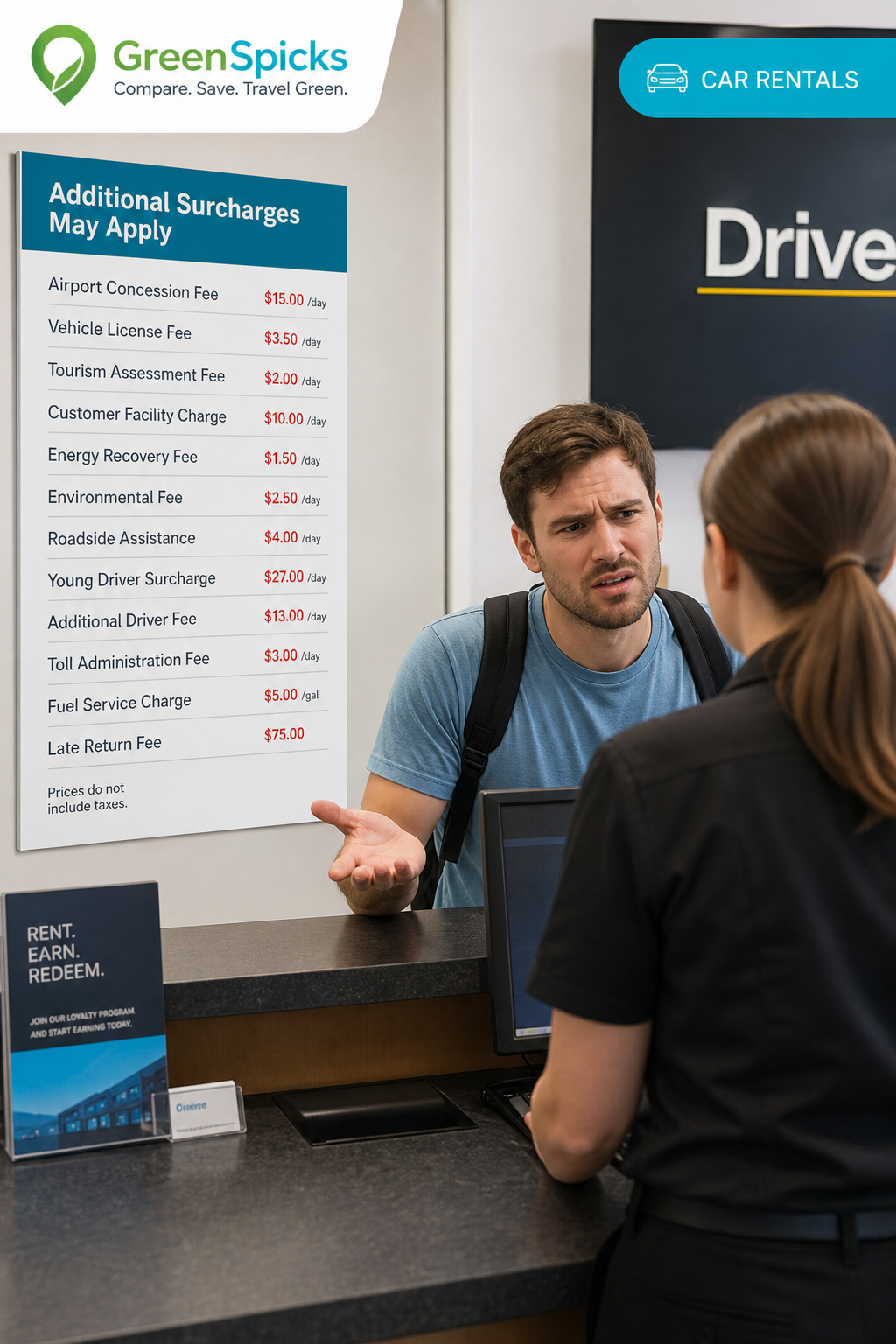
Let’s break down the most common fees:
- Airport Concession Fee: Usually a percentage of your rental (up to 12%).
- Customer Facility Charge: Fixed dollar amount per day ($3-$6).
- Additional Driver Fee:$10-$15 per day for a second driver.
- Young Driver Surcharge:$20-$30 per day if under 25.
- Fuel Surcharge: If you don’t return with a full tank, they charge you at a premium rate.
According to NerdWallet’s analysis of airport vs. downtown rental costs, you can save an average of $86 on a seven-night rental by picking up at a downtown location. That’s a significant chunk of your weekly budget.
How to avoid these fees? First, choose an off-airport location. Take an Uber or shuttle to a rental office a few miles away. Second, add a second driver only if absolutely necessary; some memberships include it for free. Third, always take photos of the car when you pick it up. According to Kiplinger, many renters face false damage claims. Document everything with timestamps.
Another sneaky fee: toll passes. Rental companies often charge a daily fee just for having the transponder in the car, even if you don’t use tolls. The best defense is to bring your own transponder or use the “avoid tolls” setting on your navigation.
Bottom line: Scrutinize every line item in your booking. Choosing off-airport pickup can save you $80 or more on weekly car rental deals.
Explore Alternative Rentals: Peer-to-Peer and Car Exchange
Traditional rental companies aren’t your only option. Peer-to-peer services like Turo let you rent cars from individuals. Often, you’ll find weekly rates that are 20-30% cheaper than big brands, especially for unique vehicles like Teslas. According to NerdWallet’s review of Turo, it’s like the Airbnb of cars. You can choose the exact make and model, and pickup is often contactless.
Another alternative: car exchange programs like Transfercarus. These are free or low-cost rentals where you drive a car from one city to another for the company. It’s perfect for one-way trips. You get a car for a week for just the cost of gas. However, availability is limited and you must follow a strict route.
But there are trade-offs. Turo cars may not include unlimited mileage, and insurance is different. You need to check the host’s policy. Car exchange programs require flexibility in timing and route. If your itinerary is fixed, these might not work.
For most travelers, using both traditional and alternative platforms gives the best shot at savings. Start with GreenSpicks for the big comparison, then check Turo for niche deals. Our ultimate guide to car hire deals covers both routes in detail.
Bottom line: Don’t limit yourself to Hertz and Avis. Peer-to-peer and car exchange services can unlock cheaper weekly car rental deals.
Choose the Right Insurance for Your Weekly Rental
Insurance is where rental companies make their money. They’ll push a Loss Damage Waiver (LDW) at $30 per day. Over a week, that’s $210. But you might not need it. If you have a personal auto insurance policy, it likely covers rental cars with the same limits. Check with your provider.
Many credit cards also offer rental car insurance. For example, Chase Sapphire Preferred provides primary coverage. According to NerdWallet’s guide to credit card rental coverage, you need to decline the rental company’s collision damage waiver and pay with the card that offers coverage. This can save you hundreds on a weekly rental.
Table: Insurance Options for Weekly Rentals
But be careful. Some credit cards only offer secondary coverage, meaning you have to claim from your personal insurance first. And coverage varies by country. If you’re renting internationally, you might be required to buy the local insurance.
Another option: buy a standalone rental car insurance policy from companies like Allianz. These can be cheaper than the rental company’s daily rate and cover multiple rentals in a year.
Bottom line: Avoid buying insurance at the counter if you’re already covered by your auto policy or credit card. This alone can cut the cost of weekly car rental deals by up to $200.
Fuel Policy Strategies: Save on Gas
Fuel policies can eat into your savings if you’re not careful. The most common types:
- Full-to-Full: You get a full tank and return it full. Best option, pay only for fuel you use.
- Full-to-Empty: You prepay for a full tank and return it empty. Usually overpriced because the company charges more than market rate.
- Prepaid fuel: You buy a tank at booking. You risk leaving unused fuel.
Always choose full-to-full. It’s the most transparent. of rental car fuel policies, many renters overpay by $20-$40 by choosing prepaid options. Fill up at a station near the return location, not at the airport where prices are inflated.
Take a photo of the fuel gauge and receipt when you return. Some companies falsely claim the tank wasn’t full. Document everything. Also, avoid the “fuel convenience fee” some companies add if you don’t prepay, they charge a higher per-gallon rate at return.
Bottom line: Pick full-to-full fuel policy, fill up yourself, and keep receipts. This saves you from hidden fuel charges on weekly car rental deals.
Frequently Asked Questions
What counts as a weekly rental car deal?
Most companies define a weekly rental as a rental period of five to seven days. The deal usually includes a reduced daily rate, sometimes with additional perks like unlimited mileage. For example, Avis offers weekly rates for rentals of at least five days. The daily rate drops significantly, so you get a better total price compared to booking per day.
How can I find the best weekly car rental deals?
Start by using a comparison platform like GreenSpicks to scan multiple providers at once. Then cross-check with membership programs like Costco Travel or AAA. Book early with free cancellation, and use a price-tracker to monitor for drops. Also consider off-airport locations and peer-to-peer options like Turo for better rates.
Is it cheaper to rent a car at the airport or off-airport?
Off-airport is almost always cheaper, by an average of 18% . The savings come from avoiding airport surcharges like customer facility charges and concession fees. Factor in the cost of a shuttle or Uber to the off-airport location, it’s usually worth it, especially for a week-long rental.
Does unlimited mileage really matter for weekly car rental deals?
Yes, especially if you’re driving long distances. Most major brands like Hertz and Budget include unlimited mileage in their weekly rates. However, some budget companies have per-day mileage caps. If you exceed the limit, you pay per mile. Always check the mileage policy before booking to avoid surprise charges.
Can I use my credit card insurance for a weekly rental?
Many premium credit cards offer rental car insurance. You need to decline the rental company’s collision damage waiver and pay with that card. The coverage varies: some are primary, others secondary. Check with your card issuer for details. This can save you $30 per day on insurance costs.
What’s the best day to book a weekly car rental?
Booking early is more important than the day of the week. However, some data suggests booking on Tuesday or Wednesday can yield lower rates. Also, avoid booking last minute, prices spike as demand increases. Set a price alert and book when you see a good refundable rate.
Do I need a credit card to rent a car for a week?
Most rental companies require a credit card for the security deposit. Debit cards are accepted by some, but they often require a higher deposit and a credit check. To avoid holds on your debit funds, use a credit card. Plus, credit cards often offer better insurance and rewards.
How can I avoid paying for extra fees on a weekly rental?
Read the full terms before booking. Avoid airports, add only necessary extras, decline insurance if already covered, and choose full-to-full fuel policy. Take photos of the car upon pickup. Use a membership that waives additional driver fees. These steps can save you hundreds on a week-long rental.
Conclusion
Finding the best weekly car rental deals takes a bit of effort, but the savings are real. Use comparison sites like GreenSpicks to start. Sign up for free loyalty programs. Book early with free cancellation. Track prices with tools like AutoSlash. Avoid hidden fees by choosing off-airport locations and declining unnecessary insurance. And don’t forget to check alternative rentals like Turo or car exchange programs.
We’ve tested these strategies ourselves and saved hundreds on weekly rentals. Now it’s your turn. Ready to find your next weekly car rental deal? Try GreenSpicks free today and compare prices in real time. With transparent comparisons and trusted partners, it’s your shortcut to smarter travel decisions. Book your rental now and hit the road for less.
Learn more about renting a car for a road trip to plan your adventure. And if you’re traveling to the USA, check our complete guide to trip costs.