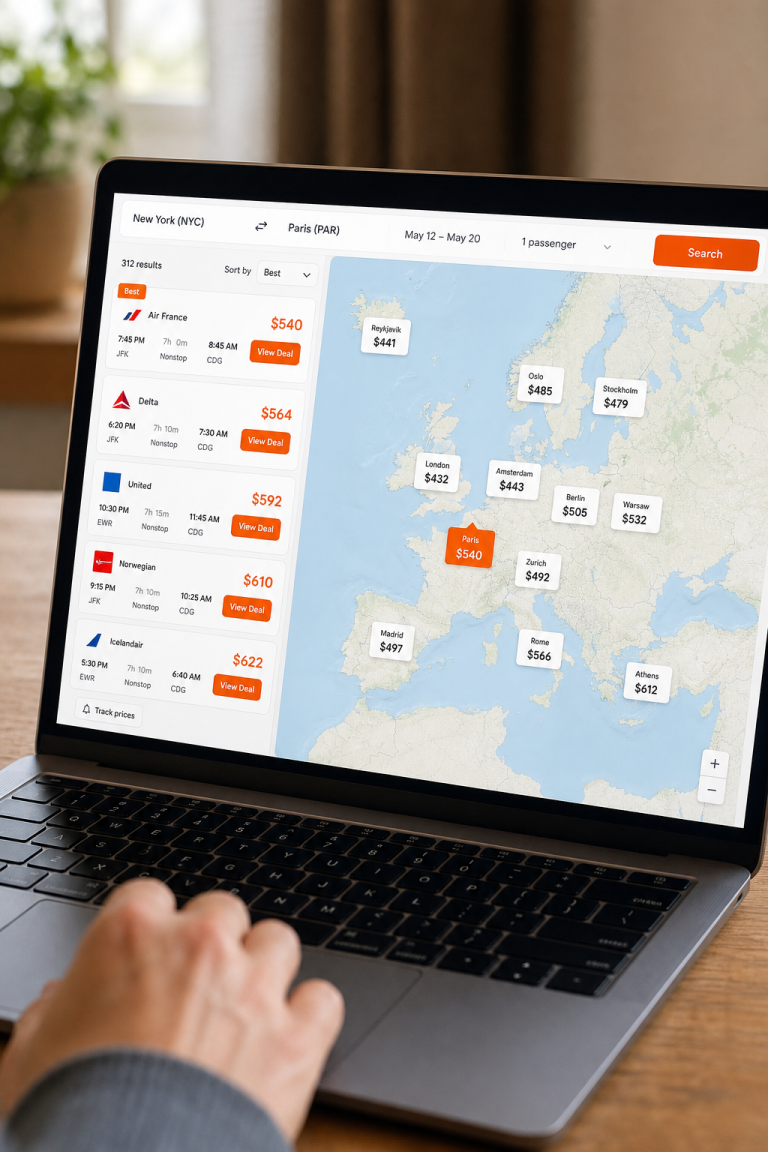

Red‑eye flights can save you a night’s hotel bill and get you to your destination before the rush. The trick is to find the cheap red eye options that still let you rest on the plane. Below we break down five airlines that give you low fares, decent seats, and overnight schedules you can rely on. We’ll also show you how to compare deals fast with Greenspicks so you never overpay.
In this list we cover routes, price tricks, comfort tips, and where to book. By the end you’ll know which airline fits your budget and how to lock in the best fare.
1. Southwest Airlines , Low‑cost night routes across the US
Southwest runs a solid set of red‑eye flights that hit major hubs like Denver, Chicago, and Dallas. Their open‑seating policy means you can pick a window seat early in the booking window, which often gives you a quieter spot to sleep.
Because Southwest does not charge change fees, you can adjust your plan if something pops up without extra cost. That flexibility is a big win for budget travelers who need a safety net.
“Southwest’s no‑fee changes make overnight travel low‑stress and low‑cost.”
Typical departure windows are 10 p.m. to 12 a.m., landing between 5 a.m. and 7 a.m. on the next day. Flights are usually 2‑4 hours long, so you can catch a quick nap and still be alert when you land.
- Pros: No change fees, free checked bags for early‑bird fares, simple fare structure.
- Cons: No assigned seats, occasional overbooked flights can mean early boarding scramble.
Pro tip: Book a flight that departs after 11 p.m. to increase the chance of a less‑crowded cabin. The later the departure, the more likely the plane will be near empty, giving you room to stretch.
We also recommend checking the Cheap Weekend Flights guide for nearby airports that might offer even cheaper red‑eye options.
Bottom line:Southwest gives you flexible, low‑fee red‑eye flights that are easy on the wallet and simple to adjust.
2. JetBlue , Comfortable red‑eye deals to major East Coast cities
JetBlue’s red‑eye routes connect the West Coast with the East, like Los Angeles ✈ New York or Seattle ✈ Miami. The airline’s spacious seats and free Wi‑Fi make overnight work or streaming a breeze.
According to JetBlue’s own page, the cabin crew provides pillows and blankets on most overnight flights, helping you stay warm and comfy.
The flight length is usually 4‑6 hours, which is enough time to get a decent rest if you bring a good travel pillow.
When you search for JetBlue red‑eye options, use the Best Day to Book Flights article to learn the best window for price drops.
And remember to pack a sleep mask and a light jacket. The cabin can get chilly after take‑off, and a mask blocks early sunrise glare.
Most passengers find a window seat reduces disturbance from fellow travelers moving around.
Bottom line:JetBlue offers a blend of low fares and comfort features that make red‑eye travel pleasant.

3. Alaska Airlines , Scenic overnight flights to the Pacific Northwest
Alaska Airlines runs red‑eye routes that fly over the Cascades and the Pacific coast, giving you views that are hard to beat. Routes like Seattle ✈ Portland and San Francisco ✈ Seattle land early, letting you start your day with a coffee in hand.
Alaska’s “Free Snacks” policy means you get a light bite before you try to sleep, which can help stave off hunger‑induced wake‑ups.
The airline lets you filter for late‑night departures on most booking sites, so you can target flights that leave after 10 p.m.
Pro tip: Choose a window seat on the left side of the aircraft for sunrise views when you land on the East Coast.
We also suggest checking the Compare Airfare Deals guide to see how Alaska’s fares stack up against other carriers on the same route.
And bring a reusable water bottle; cabin air is dry, and staying hydrated helps you feel better after a long night.
For health‑focused travelers, the CDC notes that staying hydrated can reduce the risk of blood‑clotting on long flights ( CDC DVT facts).
Bottom line:Alaska’s scenic routes and snack service make its red‑eye flights a great value for West‑coast travelers.
4. American Airlines , Wide network of affordable red‑eye options
American Airlines offers a massive web of night flights that reach cities from Los Angeles to New York and from Dallas to Miami. Their extensive route map means you can often find a red‑eye even on less‑popular city pairs.
American’s “Basic Economy” fares are the cheapest tier, but you can still add a “Main Cabin Extra” seat for a small fee to get more legroom, which is worth it on a 5‑hour overnight hop.
Most red‑eye flights depart after 9 p.m. and land before 7 a.m., fitting nicely into a work‑day schedule.
When you compare prices, the Last Minute Flight Deals page shows how to spot hidden discounts on American’s website.
And if you’re flying with a group, booking separate tickets can sometimes lower the total cost, as American’s fare rules allow you to mix fare classes on the same itinerary.
Remember to bring a pair of noise‑cancelling headphones; the cabin can be louder on larger aircraft, and blocking the noise helps you drift off.
Bottom line:American’s extensive network and flexible fare options make it a go‑to for cheap red‑eye travel across the US.
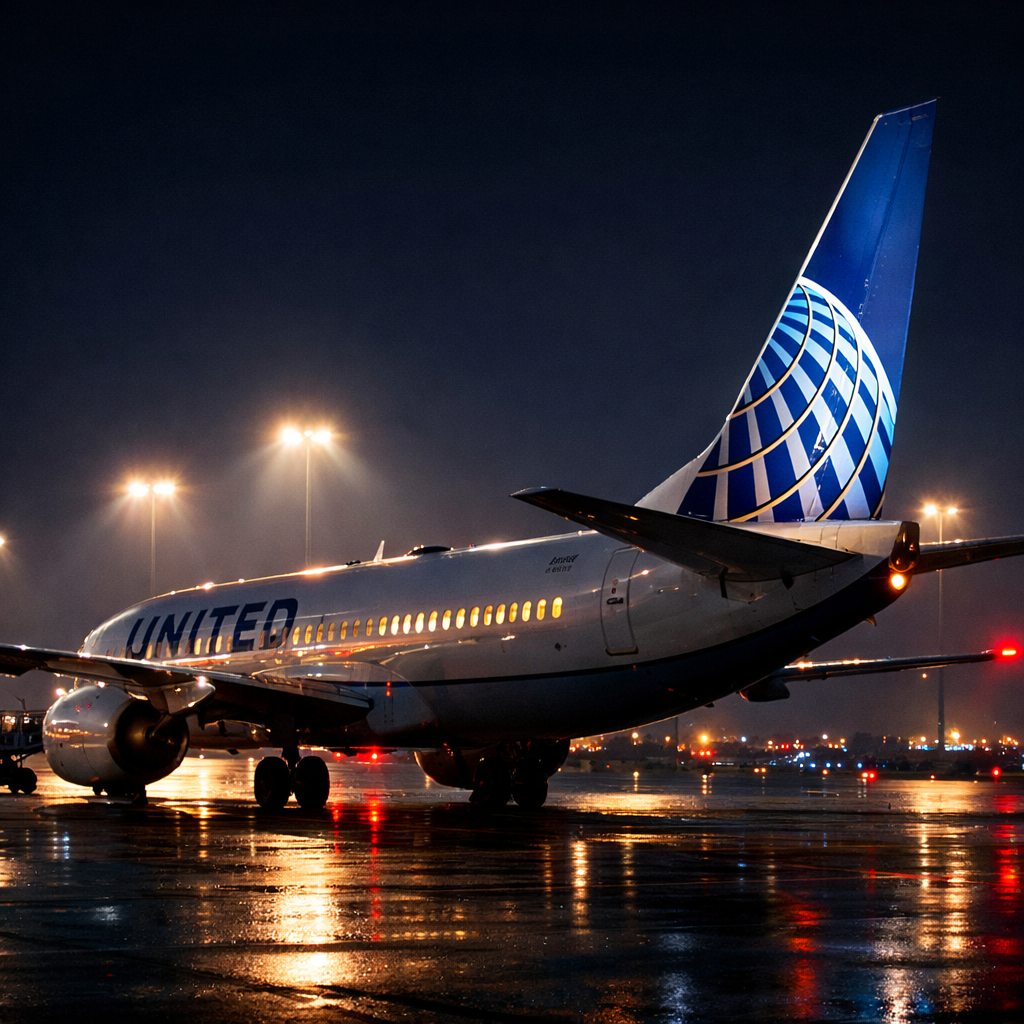
5. United Airlines , Competitive pricing for cross‑country night flights
United’s red‑eye service covers coast‑to‑coast routes like San Francisco ✈ Chicago and Denver ✈ Boston. Their “Basic Economy” tickets often drop below $150 on mid‑week nights, which is hard to beat.
United’s “Economy Plus” upgrade adds a few extra inches of legroom for a modest price, a nice trade‑off if you plan to sleep.
The airline also offers free in‑flight entertainment on most long‑haul red‑eyes, letting you watch a movie or two while you drift.
Pro tip: Use United’s “Flexible Dates” tool on their site to see price variations across a three‑day window, then plug those dates into Greenspicks for a side‑by‑side comparison.
And don’t forget the Red‑eye flight definition on Wikipedia, which explains why airlines price these flights lower due to off‑peak demand.
Bottom line:United blends low fares with optional upgrades, giving budget travelers a solid choice for night cross‑country trips.
How to Choose a Cheap Red Eye Flight
Picking the right red‑eye is about price, comfort, and timing. First, set a price alert on Greenspicks for your route. Next, look at departure windows , flights that leave after 10 p.m. are usually cheaper.
And compare seat‑type fees; a $20 upgrade to a slightly larger seat can make a big difference in sleep quality.
Pro tip: Check the airline’s change‑fee policy before you buy. No‑fee changes let you adapt if your plans shift.
Bottom line:A smart mix of alerts, flexible dates, and a tiny seat upgrade lands you the best cheap red‑eye deal.
FAQ
What defines a red‑eye flight?
A red‑eye flight leaves late at night, usually after 9 p.m., and lands early the next morning. These off‑peak slots often cost less because demand is lower. The term comes from the tired, red eyes passengers get after flying overnight. ( Wikipedia)
Are red‑eye flights safe for my health?
Flying overnight is generally safe, but the dry cabin air can dehydrate you. Bring water, avoid alcohol, and consider compression socks to improve circulation. The CDC notes that staying hydrated reduces the risk of blood clots on long flights ( CDC).
Can I get a seat upgrade on a cheap red‑eye?
Yes. Most airlines sell extra‑legroom seats for a few dollars. On United, the Economy Plus upgrade adds 3‑4 inches of space. On JetBlue, you can buy a “Even More Space” seat. The cost is usually $15‑$30 and can make a big difference in how well you sleep.
How far in advance should I book a red‑eye?
The sweet spot is 1‑3 months out for domestic routes. Booking earlier can lock in low fares, but you might miss a later price dip. Use Greenspicks to set alerts and watch the price trend before you buy.
Do I need to check bags on a red‑eye?
Most cheap tickets include only a personal item. If you pack a small carry‑on, you avoid checked‑bag fees. Pack light, use a soft bag that fits under the seat, and you’ll save both money and time at the gate.
What if I miss my connecting flight after a red‑eye?
If you booked separate tickets, a missed connection won’t cancel the rest of your itinerary. If it’s one reservation, the airline may rebook you on the next flight at no extra charge. Always leave a 2‑hour buffer between legs when possible.
Are there airport lounges that let me rest before a red‑eye?
Yes. Many major airports have day‑use lounges you can buy by the hour. They offer comfortable chairs, showers, and quiet spaces to nap before your night departure. Check the airport’s website or a lounge‑access app for pricing.
Can I earn miles on cheap red‑eye tickets?
Most airlines credit miles based on fare class and distance. Even basic economy tickets earn a fraction of the miles, and you can boost earnings with a co‑branded credit card. Look for promotions that offer bonus miles on overnight flights.
Ready to snag cheap red eye flights? Try Greenspicks free →
We hope this shortlist helps you find the perfect overnight deal. By using the airlines we listed, you’ll save on tickets, cut out a night’s hotel cost, and arrive ready to explore. Remember to set alerts, pack smart, and grab a window seat for the best rest.
When you’re set, head to Greenspicks, compare the live fares, and book the flight that fits your budget and schedule. Happy travels!