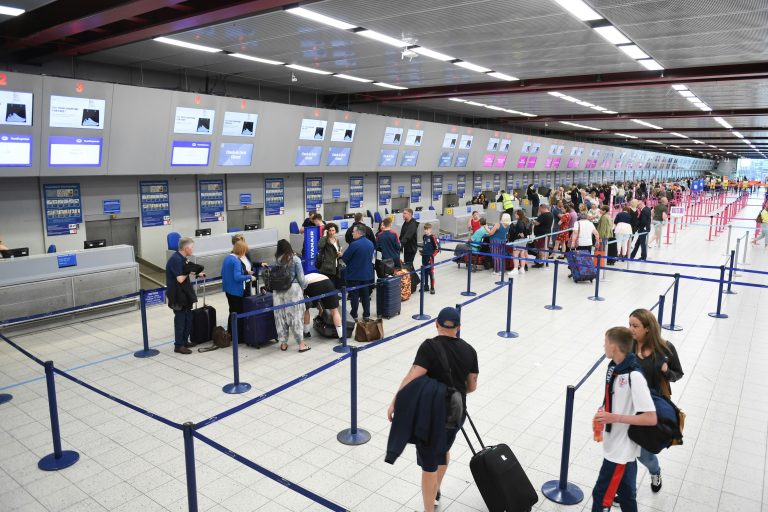
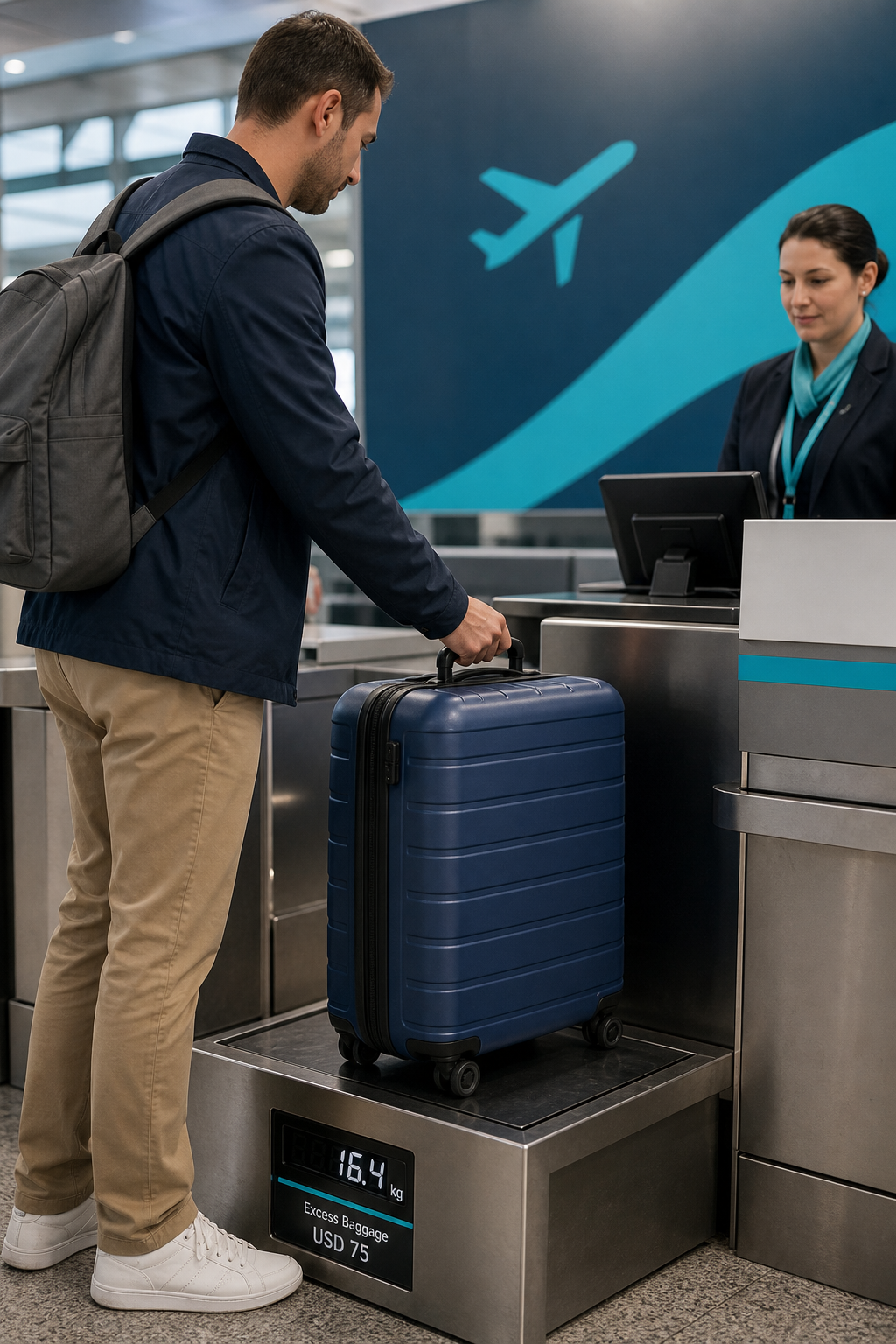
Ever stared at a baggage fee chart and felt like you’re reading a different language? We’ve all been there. Baggage fees can turn a cheap flight into an expensive one in seconds. That’s why we put together this airline baggage fees comparison for 2026. We’ll break down what each major US airline charges for checked bags and carry-ons. You’ll learn which airlines give you the most value , and how to avoid fees altogether. Let’s get into it.
1. Major US Carrier, $39 Off‑Peak First Checked Bag
This carrier charges $39 for your first checked bag when you prepay during off-peak times. Book during a peak period and that jumps to $49. The second bag runs $55 to $69 depending on timing. But here’s the good news: This airline gives you a free carry-on and a personal item on every domestic ticket. No extra charge for that.
If you hold a co-branded travel credit card, your first checked bag is free. Elite status members also get free bags — lower-tier elites get one, higher-tier get two. Active military can check up to five free bags. We’ve seen families save $100+ roundtrip just by using a co-branded card.
One thing to watch: Basic Economy tickets on this carrier still allow a carry-on, but you board last. Overhead bin space might be gone. If you need to check a bag, pay online at least 24 hours before departure. That saves you $10 compared to paying at the airport.
According to the carrier’s official baggage policy, all fees are per bag, each way. Oversized or overweight bags cost extra, up to $200 for heavy items. Pro tip: weigh your bag at home. The airline’s 50‑pound limit is strict.
2. Major US Carrier, $45 Checked, Strict Carry-On Rules
One major carrier charges $45 for the first checked bag and $55 for the second, both each way. Prepay online and you’ll save a few dollars, but not always. Their carry-on policy is generous: one full-size bag plus a personal item for free. No fees for normal-size carry-ons.
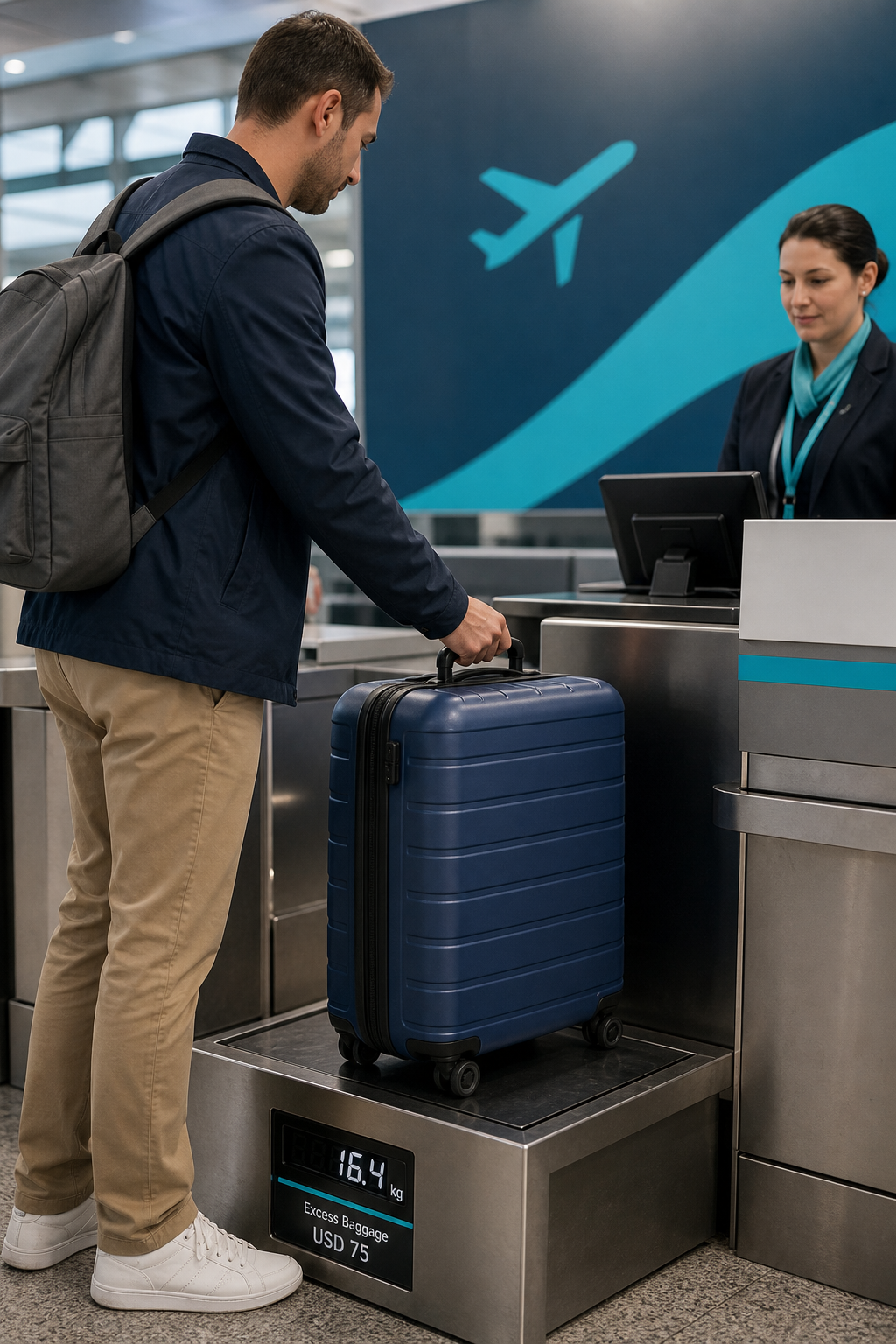
The trick with this carrier is the fare class. Basic Economy tickets don’t allow a full-size carry-on on some international routes. Domestically, you’re fine. But if you buy a Basic ticket on a codeshare partner, always check the operating airline’s rules. We’ve heard horror stories of $50 gate-check fees.
Hold the carrier’s co-branded credit card and your first bag is free, plus up to four companions get the same perk on the same reservation. Elite status through the airline’s loyalty program also waives fees (Gold gets first bag free; Platinum gets two). For active military, up to five free bags apply.
The airline measures bags in total linear inches (length + width + height). Standard is 62 inches. Go over that and you’ll pay $150 extra per bag. Keep it under 50 pounds to avoid overweight charges. We recommend a luggage scale—they cost $10 and save you $100.
3. Major Airline, $45 Checked, Basic Economy Traps
A major airline charges $45 for the first checked bag and $55 for the second, prepaid online. At the airport, it’s $50 for the first bag. Their carry-on policy is standard: a full-size bag and personal item are free on domestic flights. But here’s the trap — Basic Economy doesn’t include a full-size carry-on on transatlantic routes. You only get a personal item.
If you bring a wheeled bag to the gate on those routes, you’ll pay a $25 gate handling fee plus the regular checked bag fee. That could mean $70+ just to gate-check your bag. To avoid this, measure your bag before you leave. The airline’s personal item limit is 9 x 10 x 17 inches.
The airline’s co-branded credit card gives you two free checked bags (first bag for you and a companion). Their loyalty program elite members get free bags: Silver gets one, Gold and above get two. Active military up to five free bags. The airline also offers a bag fee calculator on their official baggage page — use it before you book.
Pro tip: If you’re checking a sports bag or odd-shaped luggage, call ahead. The airline charges flat $50 for skis and golf bags, which can be cheaper than a standard checked bag if you’re bringing two bags anyway.
4. Two Free Checked Bags Still Possible
An airline changed its baggage policy in 2025, so it now charges $45 for the first checked bag and $55 for the second. But wait, you can still get two free checked bags by booking a premium or mid-tier fare. Those fares cost more upfront, but if you’re checking two bags roundtrip, the savings add up fast.
For example, flying from Chicago to Los Angeles, a basic fare might be $150 each way, plus $90 in bag fees (two bags). That brings your total to $390 roundtrip. A mid-tier fare might be $314 each way but includes two free bags. So you’d pay $628 roundtrip, not cheaper. But if you’re a family of four checking eight bags roundtrip, that fee would be $720 on the basic fare. Choosing the mid-tier fare might be worth the higher fare.
The easiest way to get free bags? Hold an airline credit card. Any of the personal cards gives you one free checked bag and up to eight companions on the same reservation. You don’t even have to pay with the card, just being a cardholder qualifies you. The annual fee starts at $69.
The airline’s official travel fees page shows the full details. Basic elite members get one free bag; higher elite status members get two. Active military get up to three free bags. And Hawaii residents flying interisland get two free bags. Pro tip: If you book a flight+hotel package, two checked bags are included per person.
5. Ultra-Low-Cost Carrier: Low Base Fares, High Add-On Fees
One ultra-low-cost carrier is known for a la carte pricing. Your ticket only includes a personal item that must fit under the seat (18 x 14 x 8 inches). Everything else costs money, including carry-on bags and checked bags. The fees vary based on when you pay: booking, check-in, at the airport, or at the gate.
For a carry-on, paying during online booking costs around $55 one way. Wait until check-in and it’s $70. At the airport? $79. At the gate? $99. That’s almost $100 for a carry-on that would be free on many full-service carriers. Checked bags start at $55 if prepaid online, or $65 at check-in, and $79 at the airport.
This carrier uses dynamic pricing based on route and demand. On busy routes like New York to Los Angeles, prices can be higher. It also charges for seat selection and printing boarding passes at the airport. Pro tip: Pay for everything during your initial booking. That’s when fees are lowest.
A paid membership program ($69.95/year) gives members discounted bag fees. If you fly with this carrier more than twice a year, it might pay off. But honestly, we recommend adding up the total cost (fare + bags + seat fees) before clicking buy. The carrier’s website has a baggage calculator. Use it.
Airline Baggage Fee Comparison Table
Note: All fees are per bag, each way, for domestic flights. International flights may have different rates. Always verify on the carrier’s official website before booking.
How to Avoid Baggage Fees , Elite Status, Credit Cards, and More
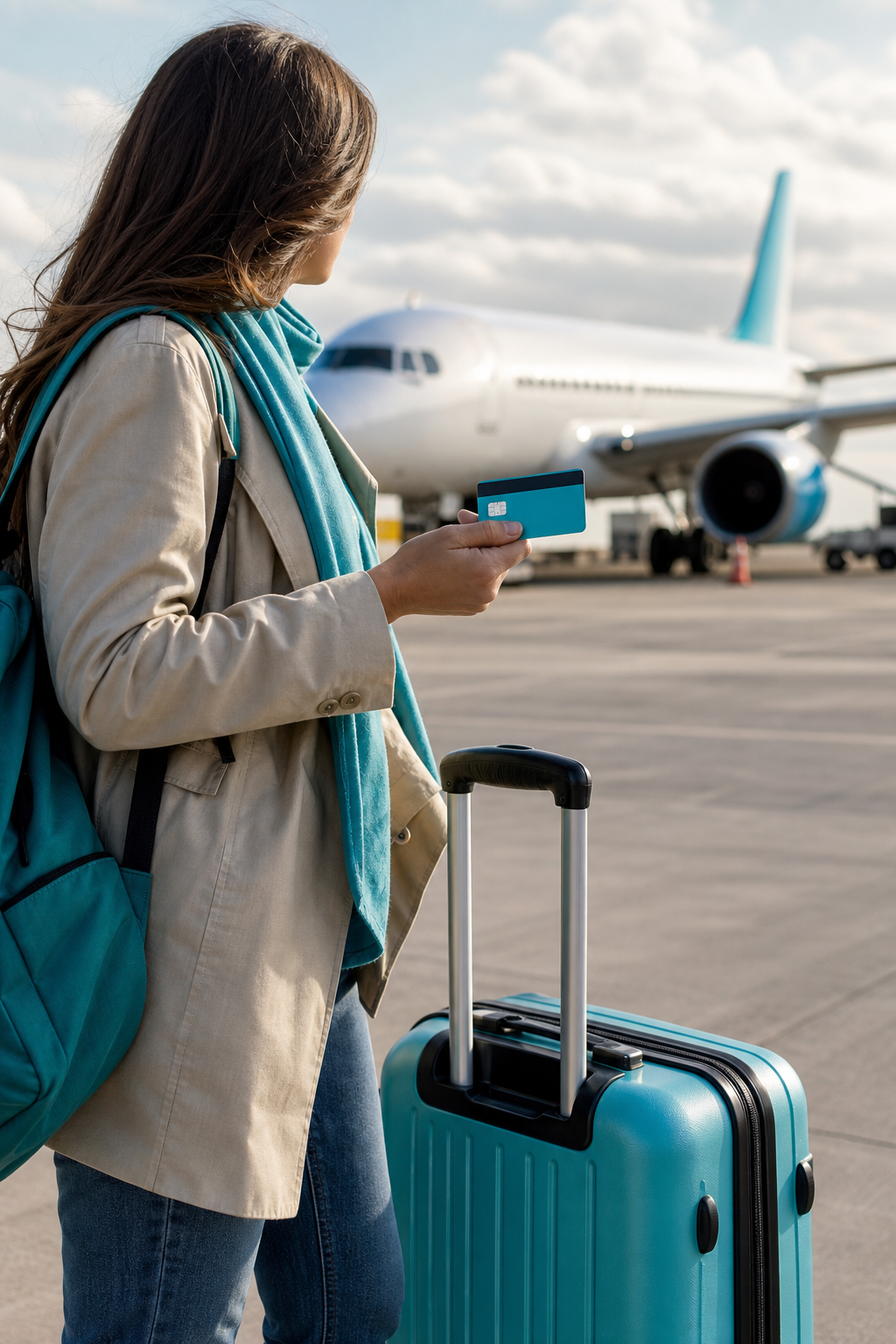
There are three main ways to dodge baggage fees: airline credit cards, elite status, and fare selection. Let’s break them down.
Airline Co-Branded Credit Cards: Every major US airline offers a card that waives your first checked bag fee. For example, one such card gives you and up to eight companions a free first bag. Another gives you two free bags (first for you and a companion). Yet another gives you one free bag for you and up to eight companions. Annual fees range from $69 to $99 , easily offset by just one roundtrip bag fee for two people ($90+).
Elite Status: If you fly 25+ segments a year, you likely have status. Most airlines give free bags starting at the lowest tier. For example, the lowest elite tier at one airline gets two free bags. At another, it gets one. At a third, it also gets one. Status also gets you priority boarding, which means overhead bin space. That saves you from forced gate-check fees.
Fare Bundles: Some airlines offer premium economy or “plus” fares that include bags. If you’re checking two bags roundtrip, the cost of upgrading may be less than paying bag fees separately. Use a comparison tool like Greenspicks to see total cost before you book. We aggregate fares including bag fees, so you’re not surprised at checkout. For even more savings, browse our cheap flight deals guide.
Military & Other Exemptions: Active duty US military personnel get free checked bags on almost every airline , up to three to five bags depending on the carrier. Some airlines also offer free bags for certain groups (e.g., seniors, students, or those flying with infants). Always check the airline’s special assistance page.
Packing Smart: Compression Bags and Luggage Size Tricks
Even the best baggage fee comparison won’t help if your bag is overweight or oversized, especially when you’re booking cheap weekend flights. Packing smart saves you both money and hassle.
Use compression packing cubes or vacuum bags. For example, reusable vacuum bags (like the ones shown in popular travel videos) let you squeeze air out of clothes. You can fit twice as many sweaters. That might help you stay under the 50-pound weight limit. Just remember to leave a little extra weight for souvenirs , once your bag is overweight, it’s hard to redistribute at the airport.
Measure your luggage before you leave. Many airlines have a sizer box at the gate. If your carry-on doesn’t fit, you’ll pay a fee. Measure your bag’s dimensions at home. Most US airlines allow carry-ons up to 22 x 14 x 9 inches. Personal items should be smaller , around 18 x 14 x 8 inches. Use a tape measure, not a guess. Watch the video above for a real test of a cabin trolley fitting perfectly into the sizer.
Weigh your bag with a handheld luggage scale. They cost less than $15. Overweight fees are often $100 or more. A small investment pays off fast. For some budget airlines, their standard weight limit for a free bag is just 40 pounds, not 50. That’s another reason to read the fine print. And remember, if you’re traveling to Europe, carry-on weight limits are often only 8 kg (17.6 pounds) for many low-cost carriers. Pack light or plan to check.
FAQs
What is the average checked bag fee for US airlines in 2026?
The average first checked bag fee across major US airlines is about $47, with a median of $45. Fees range from $35 (one airline’s prepaid) to $79 (budget carriers). Second bags average around $61. However, some premium fares from select airlines include two free bags, so your actual cost depends on the fare class you choose.
Which airline has the cheapest checked bag fees?
Some airlines often have the lowest prepaid first bag fee at $35. Other legacy and low-cost carriers offer off-peak pricing as low as $39. But the cheapest option overall is when you book a premium fare with a certain airline or carry the right credit card, then your bag fees drop to $0. Always compare total cost, not just the base fare.
How can I avoid paying for checked bags?
The most reliable ways are to hold an airline co-branded credit card (e.g., a card with no annual fee), achieve elite status (even the lowest tier), or book a premium fare that includes bags. Active military personnel get free bags on all major US airlines. Some travel credit cards also offer incidental fee credits that can be used for bag fees.
Do any US airlines still offer free checked bags?
No US airline offers free checked bags on all fares. All major carriers now charge for at least the first bag on economy tickets. However, certain premium fares from select airlines include two free checked bags. Additionally, holders of some co-branded credit cards and elite status members still get free bags on most airlines.
Are carry-on bags free on all airlines?
Most legacy carriers include a full-size carry-on for free on domestic flights. But budget airlines charge for carry-ons, prices range from $35 to $99 one way depending on when you pay. Basic Economy on some legacy carriers sometimes excludes carry-on on international routes. Always check the carry-on policy before you pack.
What happens if my bag is overweight or oversized?
Overweight fees typically start at $100 for bags over 50 pounds. Oversized bags (over 62 linear inches) cost $150 or more. If your bag exceeds both limits, airlines often charge a single combined fee (e.g., $200). For budget airlines, the standard weight limit is only 40 pounds, so overweight fees kick in sooner. We recommend weighing and measuring your bag at home with a scale and tape measure.
Do baggage fees differ for international flights?
Yes, international baggage fees are often higher and vary by route. For example, one major airline charges $75 for the first checked bag to Europe, while some airlines don’t fly internationally. Some carriers include a free bag on long-haul international flights (e.g., another airline to Asia). Always check the airline’s international baggage page before booking. For a broader view of travel costs, see our trip to the USA cost guide.
Are there any hidden bag fee traps I should watch for?
Yes. Gate checking a bag that was supposed to be a carry-on can cost $25 on top of the regular checked bag fee (a major airline). Paying for a bag at the airport instead of online adds $10-$20. Also, some airlines have different weight limits for Basic Economy (e.g., a budget airline’s 40-pound limit). And companion bag benefits often require the credit card holder to be on the same reservation. Read the fine print.
Conclusion
Baggage fees can eat into your travel budget fast. That’s why understanding the airline baggage fees comparison is so important. In 2026, the average first checked bag costs around $47, but with the right credit card or fare class, you can often bring that down to zero. At Greenspicks, we believe in transparent travel planning. That’s why we built a comparison tool that shows you total flight costs , including bag fees , before you book. You can instantly see which airline offers the best value for your trip. We also have a guide on cheap airline tickets that compare airfare and flight deals and travel costs to help you plan smarter. Ready to save on your next flight? Start comparing today.