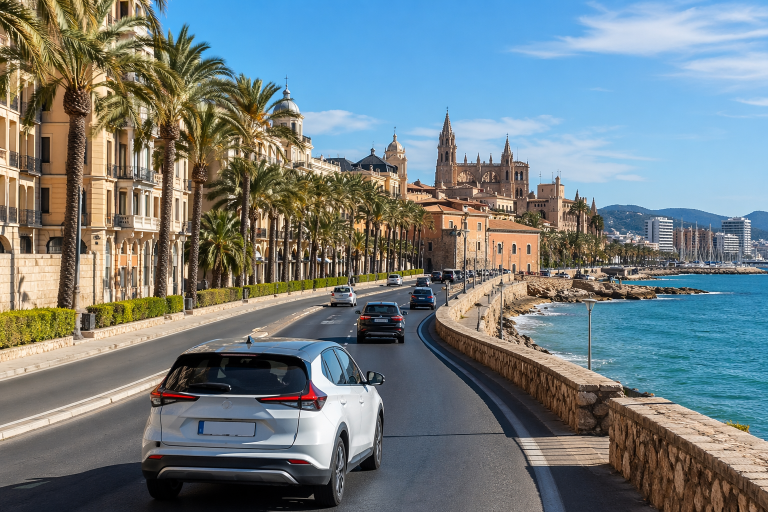
You land in a city with three days, one decent pair of walking shoes, and a tabs-open problem. Every list claims to show the best ranked attractions in cities, but rankings alone do not tell you what will actually fit your budget, energy, or travel style. A top-rated museum can feel like a waste if you wanted street life, and a famous tower can be perfect if the timing is right.
That is the real issue with city attraction rankings. They are useful, but only if you know how to read them. If you want to make travel planning easier, faster, and smarter, you need to look past the headline ranking and figure out what the attraction gives you in return for your time.

How to judge the best ranked attractions in cities
A high ranking usually reflects popularity, reviews, location, and broad appeal. That sounds helpful, and often it is. The problem is that rankings reward places that satisfy the most people, not necessarily places that are best for you.
If you are traveling with kids, a two-hour art museum may rank above an urban park with boat rentals and playgrounds, even though your family will clearly get more out of the park. If you are a solo traveler who likes architecture and local neighborhoods, the main sightseeing bus might be less rewarding than a walkable historic district that ranks lower.
The better approach is to treat rankings as a starting filter. First, ask what kind of city experience you want. Then compare the attraction against four practical questions: How much time does it take, how easy is it to reach, what does it cost once extras are added, and does it offer something that city does better than anywhere else?
That last point matters more than people think. Cities often have one or two attractions that genuinely define them. Paris has world-famous museums and landmarks. New York has skyline views and theater. Rome has ancient sites built into everyday streets. If an attraction captures what makes a city distinctive, a high rank usually means something real.
What city rankings get right – and where they mislead
Popular attractions tend to be popular for a reason. They are usually reliable picks for first-time visitors, especially when your trip is short. If you have never been to Chicago, going up a major observation deck is not a lazy choice. It is an efficient way to understand the city layout, get memorable photos, and anchor the rest of your itinerary.
Where rankings mislead is on trade-offs. The number one attraction may also be the most crowded, the most expensive once add-ons are included, and the least flexible if weather changes. A boat tour, observation deck, or landmark entry can be excellent value on the right day and frustrating on the wrong one.
That is why the best ranked attractions in cities should be judged against timing as much as score. A cathedral at opening time can feel calm and remarkable. The same place at 1 p.m. behind several tour groups can feel like a queue with a ceiling.
When the top attraction is worth it
The highest-ranked attraction usually earns its place when it does at least two things well. It gives you a sense of place and it fits smoothly into a real itinerary. A central landmark with timed entry, walkable surroundings, and nearby food options can justify both a ticket price and a long reputation.
It is also worth prioritizing when the alternative is weak. Some cities simply have one standout attraction far above the rest. In those cases, trying too hard to avoid tourist favorites can backfire.
When a lower-ranked attraction is the smarter choice
A lower-ranked option can win if it is cheaper, less crowded, and better matched to your interests. This happens all the time with city markets, smaller museums, rooftop gardens, neighborhood walking tours, and waterfront areas. They may not dominate global rankings, but they often produce the kind of trip memories people actually talk about later.
Matching attractions to your travel style
The same city can feel completely different depending on what you book. Rankings flatten that reality. Smart planning puts your travel style back into the picture.
If you are traveling as a couple, you may get more value from one standout attraction plus a flexible afternoon than from packing in four ticketed stops. Families often do better with attractions that mix movement and structure, such as zoos, science centers, or open-air sites where kids are not expected to stay quiet for two hours. Solo travelers can often take advantage of early entry slots, compact museums, and walking-heavy neighborhoods that groups tend to skip.
Budget matters too. One expensive attraction can be a great purchase if it replaces several weaker activities. But if the city offers strong free or low-cost alternatives, a top-ranked ticket should earn its place. Great urban parks, public viewpoints, historic districts, and self-guided routes can reduce spending without making the trip feel smaller.

User experience: what travelers usually regret
The most common regret is not choosing the wrong attraction. It is overcommitting. Travelers see a city list, book too much, and end up rushing through places that deserved more time.
A typical example is the traveler who books a landmark, a museum, a river cruise, and a food tour all on the same day because each one ranks highly. On paper it looks efficient. In reality it becomes a day of transit, entry lines, and clock-watching. By evening, even the best attraction starts to feel like one more task.
The better user experience usually comes from leaving room between major stops. One headline attraction in the morning and one flexible area to explore later often beats a fully ticketed schedule. That extra space gives you time for weather changes, spontaneous meals, or simply staying longer somewhere that surprises you.
Another frequent complaint is paying premium prices for views or experiences that could have been timed better. Sunset slots, weekend entries, and last-minute bookings often cost more and feel more crowded. If you compare options before locking in plans, you are much more likely to spot the better-value time window.
Expert warnings before you book city attractions
Top-ranked does not always mean best managed. Some attractions move visitors efficiently. Others sell too many tickets for the space, creating delays that eat into your day.
Watch for attractions where the headline ticket is not the full cost. Extra fees for skip-the-line access, audio guides, lockers, transportation, or special exhibits can change the value fast. Also pay attention to location. An attraction that looks affordable can become inconvenient if it requires a long transfer each way.
Weather exposure is another issue many travelers underestimate. Observation decks, outdoor viewpoints, river activities, and scenic rides can be fantastic in clear conditions and underwhelming in fog, rain, or extreme heat. If your itinerary is tight, flexibility matters more than ranking.
One more warning: avoid booking attractions just because they are famous on social media. Highly photographed spots often perform well visually and poorly in person, especially when they are crowded, short, or heavily staged. City travel gets better when at least part of your day is built around how you want to feel, not just what you want to post.
A smarter way to compare city attractions
If your goal is to see more and overpay less, compare attractions the same way you would compare flights or hotels. Look at total cost, convenience, and what is actually included. A cheaper base ticket is not always the better deal if another option includes transport, flexible timing, or bundled access.
This is where a comparison mindset helps. Instead of asking, “What is the top attraction?” ask, “Which attraction gives me the best return on this half day?” That question is more practical and usually leads to better choices.
You can also compare by trip purpose. On a first visit, your attraction picks should lean iconic. On a repeat visit, they should lean specific. First-time travelers often get real value from major landmarks because they provide orientation and context. Repeat visitors usually get more from niche museums, local tours, and neighborhood-based experiences.
If you want a faster way to sort options across activities and other trip essentials, a platform like GreenSpicks can help streamline the comparison stage before you commit. That matters most in expensive cities, where one weak booking decision can affect the rest of your budget.

Should you always book the best ranked attraction?
No, but you should always understand why it is ranked highly. If the answer lines up with your trip priorities, book it confidently. If it does not, move on without guilt.
The goal is not to avoid tourist attractions or chase hidden gems for the sake of it. The goal is to build a city trip that feels worth the money and manageable in real life. Sometimes that means booking the famous landmark everyone knows. Sometimes it means skipping it and spending the afternoon in a neighborhood market, public garden, or smaller museum that fits your pace better.
The best city plans are rarely the ones with the most checkmarks. They are the ones where each attraction earns its spot.
FAQs
Are top-ranked city attractions usually overpriced?
Not always. Some are expensive but genuinely worthwhile because they offer unique access, strong organization, or iconic views. The issue is whether the experience matches the price for your type of trip.
How many major attractions should you book per day?
For most city trips, one or two major attractions is enough. More than that often creates a rushed schedule, especially when transit and lines are involved.
Are attraction passes a good deal in big cities?
They can be, but only if you will actually use enough included entries. Passes work best for travelers who want several major sights in a short period and are comfortable with structured days.
Is it better to book city attractions in advance?
Usually yes for timed-entry landmarks, popular museums, and busy seasons. Advance booking can improve both price and availability, though it reduces flexibility.
Should first-time visitors focus only on famous attractions?
No. Famous attractions are often worth seeing, but your trip will feel more balanced if you combine one or two major sights with time in neighborhoods, parks, or local food areas.
A good city itinerary is not about proving you saw everything. It is about picking the places that make the city click for you, then giving yourself enough room to enjoy them.