

Landing at Cape Town International Airport is often the start of something exciting, a long-planned vacation, a business trip, or a return home after time away. One of the first decisions travelers face is how to get around. While taxis, rideshares, and transfers are available, many visitors quickly realize that renting a car at the airport offers the most flexibility and peace of mind.
At GreenSpicks, we look at travel decisions through a practical, real-world lens. In a city like Cape Town, where distances are real, and the best experiences often sit well outside the city center, Cape Town airport car rental options consistently make sense for travelers who value time, comfort, and control over their itinerary.
Why So Many Travelers Rent a Car at Cape Town International Airport?
Cape Town is not a compact, walk-everywhere city. While public transport exists, it doesn’t reliably cover tourist routes, wine regions, coastal drives, or national parks. Renting a car directly at the airport gives you immediate independence from the moment you land.
Key reasons travelers choose car hire at Cape Town airport include:
- Direct access upon arrival
Rental desks are located inside the terminal, so there’s no need for shuttles or long waits. - Time efficiency
After a long flight, having your vehicle ready often beats coordinating transfers or navigating unfamiliar transport systems. - Freedom to explore beyond the city
The Cape Winelands, Chapman’s Peak Drive, Hermanus, and the Garden Route are all best experienced by car. - Cost predictability for longer stays
Over several days, a car rental often costs less than repeated rideshare trips.
For families, groups, or travelers with luggage, renting at the airport is often the most practical option, not a luxury.
Ready to explore? Compare the latest 2026 rates for Cape Town Airport rentals now. Get a Quote
How Car Rental at Cape Town International Airport Works?

If you’ve rented cars in other countries, the process at Cape Town International Airport will feel familiar.
After exiting customs, you’ll find a clearly marked car rental area inside the terminal. Major international brands and well-known regional companies operate here, each with its own counter. Once the paperwork is complete, a short walk takes you to the parking area where vehicles are collected.
What You’ll Typically Need?
- A valid driver’s license (English or accompanied by an international driving permit)
- A passport or ID
- A credit card in the driver’s name for the security deposit
Most delays happen not because of the rental itself, but because travelers underestimate documentation requirements or overlook deposit policies.
Understanding Vehicle Types and What Actually Makes Sense
One of the most common mistakes travelers make is choosing a car based on price alone. While compact cars are often advertised as the cheapest option, they’re not always the most practical choice for Cape Town driving.
Compact and Economy Cars
Best for:
- Solo travelers or couples
- City driving
- Short stays with light luggage
Limitations:
- Tight luggage space
- Less comfortable for long scenic drives
Sedans and Hatchbacks
Best for:
- Couples or small families
- Wine route day trips
- Balanced fuel efficiency and comfort
SUVs and Crossovers
Best for:
- Families
- Road trips along the coast
- Gravel roads near nature reserves
You don’t need a large vehicle for most trips, but having enough space and clearance can make a noticeable difference, especially outside the city.
Automatic vs. Manual Transmission: What to Know?
In South Africa, manual cars are more common and cheaper, while automatic vehicles are limited and book up quickly, especially during peak travel seasons.
If you are not comfortable driving a manual:
- Book an automatic well in advance
- Expect slightly higher daily rates
- Confirm availability before arrival
Trying to switch from manual to automatic at the counter is one of the most common reasons for delays and frustration.
Insurance, Deposits, and the Fine Print That Matters
When people complain about car rental experiences, the issue is rarely the car itself; it’s usually insurance misunderstandings.
Basic Coverage
Most rentals include basic damage and theft protection, but this often comes with a high excess (the amount you pay if something happens).
Optional Coverage
You may be offered:
- Excess reduction
- Windscreen and tire cover
- Additional driver protection
None of these are mandatory, but understanding them helps you decide calmly instead of under pressure at the counter.
Deposits
A refundable deposit is standard and can range from moderate to significant, depending on:
- Vehicle type
- Insurance level
- Rental company policy
Always ensure your credit card has available funds before arrival.
Driving from the Airport: What First-Time Visitors Should Expect?
Cape Town International Airport connects directly to major highways, making exits relatively straightforward.
Things to keep in mind:
- Driving is on the left-hand side
- Road signage is clear and well-maintained
- Speed limits are enforced with cameras, especially on highways
If you’re heading into the city, expect about a 20–30 minute drive under normal traffic conditions.
Peak Seasons and Why Timing Matters
Cape Town has clear travel peaks:
- December to February (summer holidays)
- March and April (wine harvest season)
- School holiday periods
During these times:
- Availability drops quickly
- Automatic cars are scarce
- Prices increase across the board
Booking early is not about getting a deal; it’s about getting the car you actually want.
Common Mistakes Travelers Make (and How to Avoid Them)
Assuming All Airport Rentals Are the Same
Rental companies differ in:
- Deposit amounts
- Fuel policies
- After-hours return rules
Reading the terms, not just the price, prevents surprises.
Ignoring Fuel Policies
Some rentals require full-to-full returns, others offer prepaid fuel options. Returning a car without refueling often comes with premium charges.
Not Inspecting the Vehicle Properly
Always:
- Take photos before leaving
- Confirm existing scratches are recorded
- Check the windscreen and tires
This takes five minutes and can save hours later.
Comparing Airport Rental vs. City Pickup
Some travelers consider picking up a car in the city instead of at the airport. While this can sometimes save a small amount, it often adds complexity.
Airport rental advantages:
- Immediate access
- No transfer costs
- Better availability
City rental advantages:
- Potentially lower daily rate
- Useful if staying long-term without driving initially
For most short-to-medium trips, car rental at Cape Town International Airport is simply more efficient.
An Expert Perspective on Why Preparation Matters
Renting a car at Cape Town International Airport (CPT) is the ultimate “freedom pass” for any US traveler. While Cape Town has Uber and the MyCiTi bus, you haven’t truly seen the Mother City until you’ve cruised Chapman’s Peak Drive or headed out to the Stellenbosch Winelands at your own pace.
Based on current 2026 data and real traveler feedback, here is everything you need to know about renting a car at CPT.
Real User Experiences: The Good, The Bad, and The “Townships”
Most American travelers find the rental process at CPT surprisingly modern, but with a few local quirks.
-
The Upgrade Surprise: Many users report that booking a “Compact” often results in a free upgrade to a small SUV or a newer Volkswagen Polo if you arrive late at night.
-
The “Paperwork” Delay: Be prepared even with a reservation, the counter process can take 30–45 minutes. A common complaint is the “hard sell” on extra tire and windshield insurance.
-
The Safety Factor: One consistent piece of advice from real users: Do not leave anything visible in the car. Not even a charging cable. Local “car guards” (men in reflective vests) are standard in most parking lots. Tipping them 5–10 Rand ($0.30–$0.60) is the local norm to keep your vehicle safe.
Price Comparison (Daily Rates in USD)
Prices at Cape Town Airport fluctuate significantly between the “Windy Summer” (December–February) and the “Green Winter” (June–August).
| Car Class | Economy (e.g., Suzuki Swift) | Compact SUV (e.g., Toyota Urban Cruiser) | Luxury/Van (e.g., BMW 3 Series / VW Kombi) |
| Off-Peak (June) | $14 – $19 | $25 – $32 | $65+ |
| Peak (December) | $35 – $45 | $55 – $70 | $120+ |
-
Cheapest Providers: Woodford and 1First Car Rental consistently beat the “Big Four” on price.
-
Best for US Travelers: Hertz and Avis are preferred by those who want to use their US-based loyalty points or want the familiarity of a global brand.
Expert Tips for US Drivers
-
Drive on the Left: It sounds obvious, but the biggest hurdle is the “Turn Signal vs. Windshield Wiper” mix-up. Most rentals are right-hand drive. Pro Tip: If you aren’t comfortable with a manual transmission, book an Automatic weeks in advance; they are in shorter supply and higher demand.
-
The “Google Maps” Trap: Google Maps is generally excellent in Cape Town, but it may occasionally suggest a “shortcut” through informal settlements (townships) like Khayelitsha or Nyanga. Stay on the main highways (N1, N2, M3) and avoid driving through these areas after dark.
-
Full-Service Gas Stations: You don’t pump your own gas in South Africa. An attendant will do it for you. It’s customary to tip 5–10 Rand if they wash your windshield or check your oil.
-
The Credit Card Rule: You must have a physical credit card in the lead driver’s name for the security deposit. Most South African agencies
- will not accept debit cards or “virtual” cards from your phone.
Here are a few internal guides you can jump to while browsing options:
-
Low Cost Car Rental Near Me – Car Rental Deals and Discounts
-
Rental Car Deals: Find Cheap Auto Car Rental Rates & Discounts
-
Price on Rental Cars: The Ultimate 2026 Insider Guide to Saving Hundreds
Top 5 Recommended Rental Agencies at CPT
-
Hertz: Best for reliability and high customer satisfaction scores (rated 9.2/10 by recent travelers).
-
Woodford: The “local hero” offering the best rates on SUVs.
-
1First Car Rental: Often cited for the fastest pick-up/drop-off times.
-
Bluu Car Rental: Excellent for those looking for newer, well-maintained fleets.
-
Avis: The go-to for premium vehicles and Chauffeur-driven options if you’d rather not drive yourself.
Practical Tips for a Smooth Rental Experience
- Book early, especially for automatic vehicles
- Choose a car that matches your itinerary, not just your budget
- Understand deposit and insurance terms before arrival
- Take photos during pickup and drop-off
- Return the car on time and with the correct fuel level
Small habits make a big difference.
Conclusion
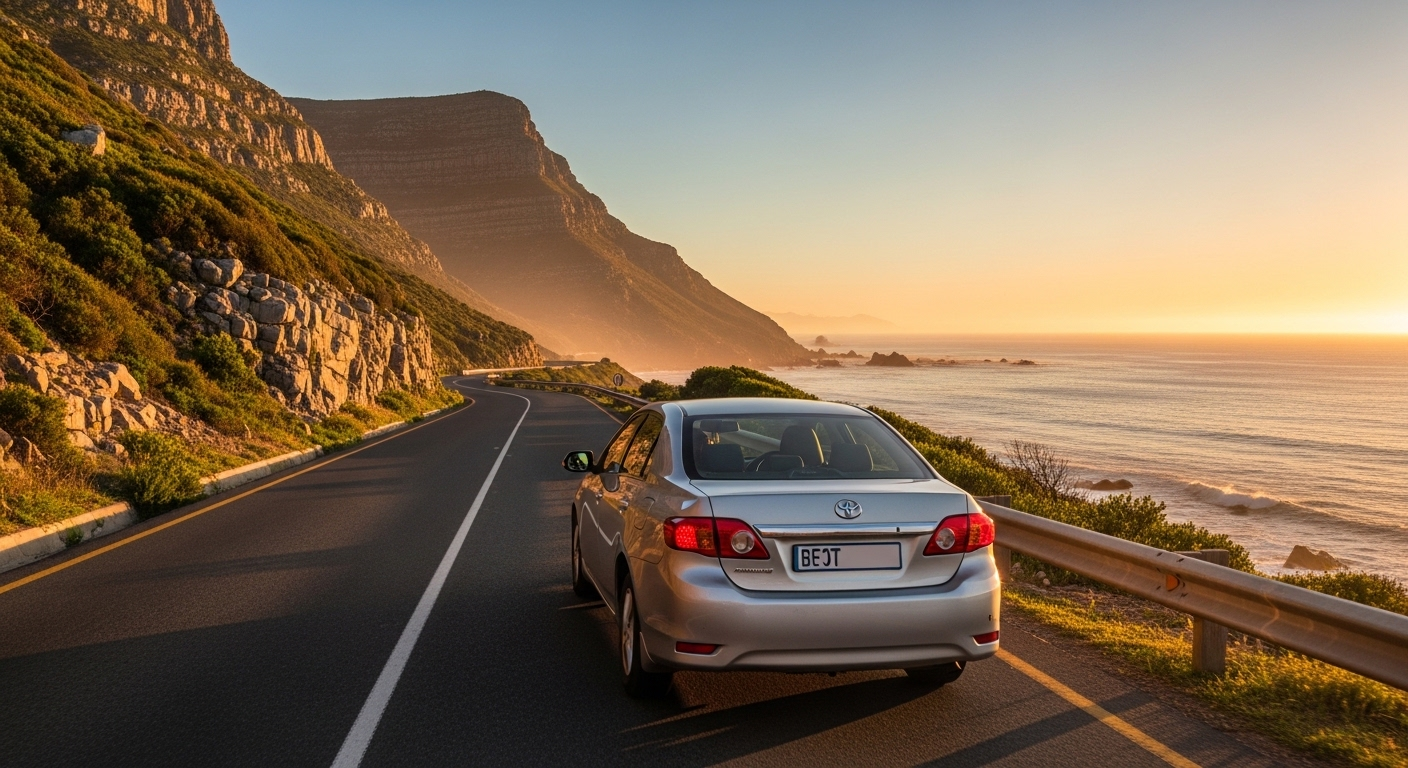
Renting a car at Cape Town International Airport doesn’t need to feel complicated or uncertain. With the right expectations, clear documentation, and a vehicle that matches your plans, it becomes a practical tool that enhances your trip rather than complicating it.
At GreenSpicks, the goal is simple: help travelers understand their options clearly so they can move through destinations with confidence. Whether you’re navigating the city, exploring the coastline, or heading into the winelands, clarity makes every mile easier.
If you’d like to explore more practical travel insights or make more informed trip decisions, learning a bit more before you book is always a smart next step.
Book Your Automatic Now: Automatic cars sell out fast in South Africa secure yours today with free cancellation.
FAQs
Is car rental at Cape Town International Airport safe?
Yes. The airport rental facilities are well-organized, regulated, and used by thousands of travelers daily.
Do I need an international driving permit in South Africa?
If your license is not in English, an international driving permit is recommended.
Are automatic cars available at Cape Town airport?
Yes, but they are limited and should be booked in advance.
Can I drive long distances from Cape Town safely?
Major routes are well-maintained. As with any destination, drive attentively and follow local laws.
Is it cheaper to rent a car at the airport or in the city?
Airport rentals are often more convenient. City rentals may be slightly cheaper but involve extra logistics.