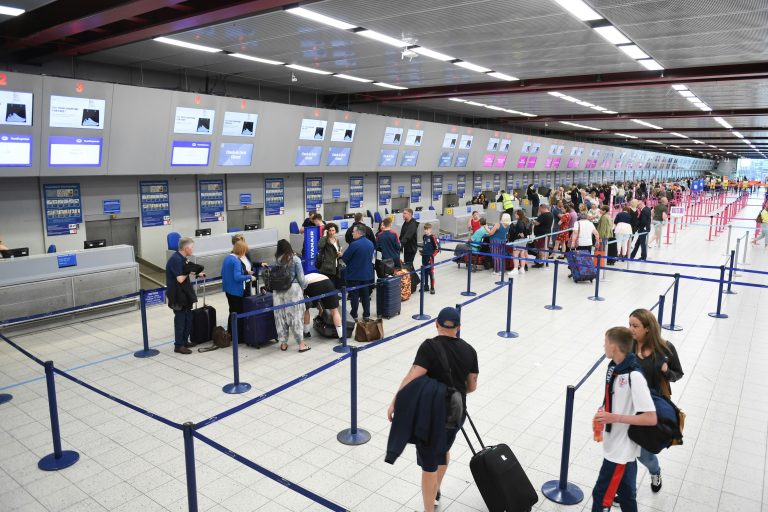
Want to see the world without draining your wallet? We’ve pulled together the real‑world moves that keep costs low and the adventure high. In this list you’ll get clear, actionable tips you can use on your next trip, from the way you search for flights to the way you stay connected abroad.
We’ll walk through seven proven tricks, show how each one works, and give you quick ways to test them before you book. By the end you’ll have a toolbox of cheap travel tips that actually save money, not just theory.
1. Flexible Date Flight Search , Grab the cheapest fares by being date‑flexible
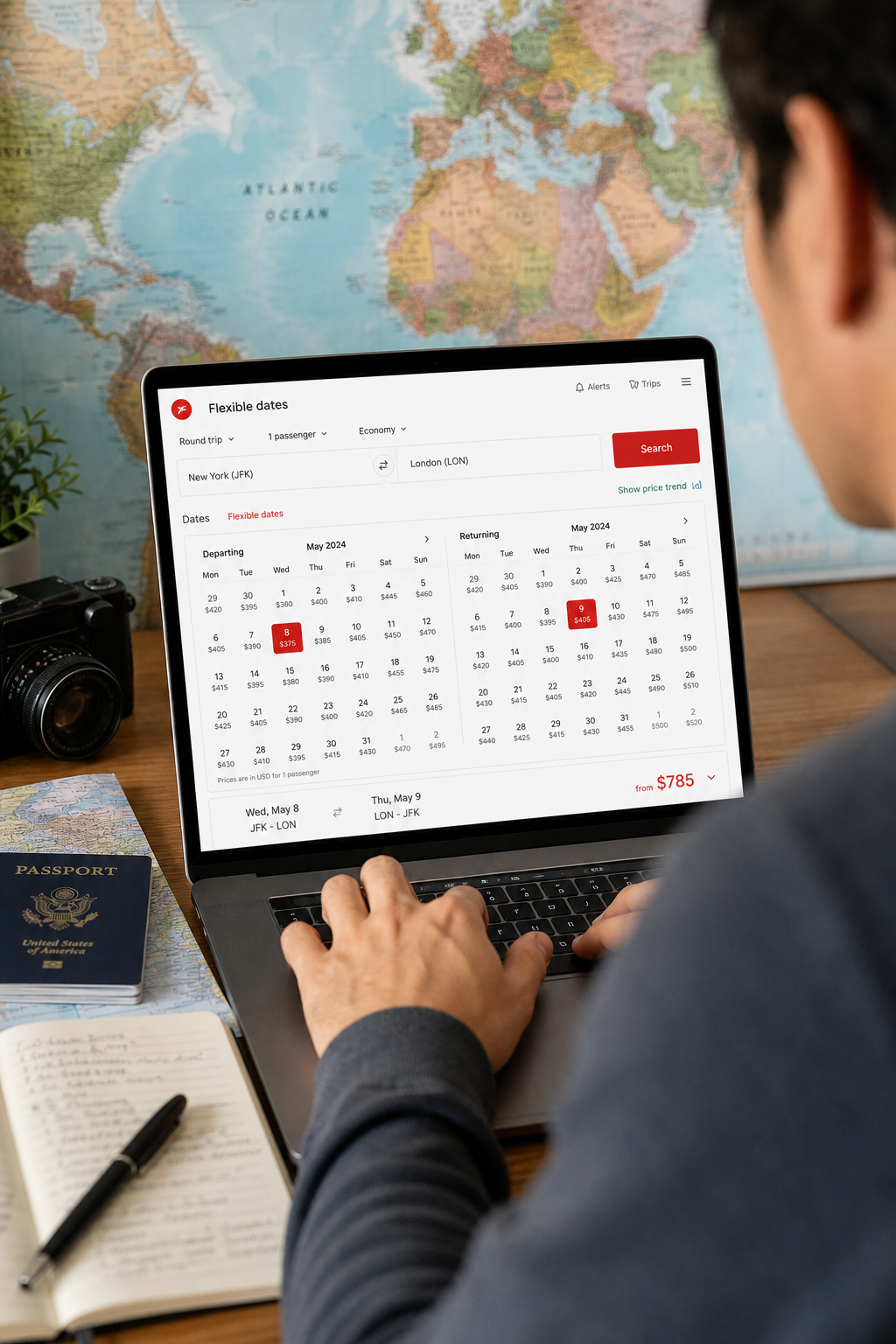
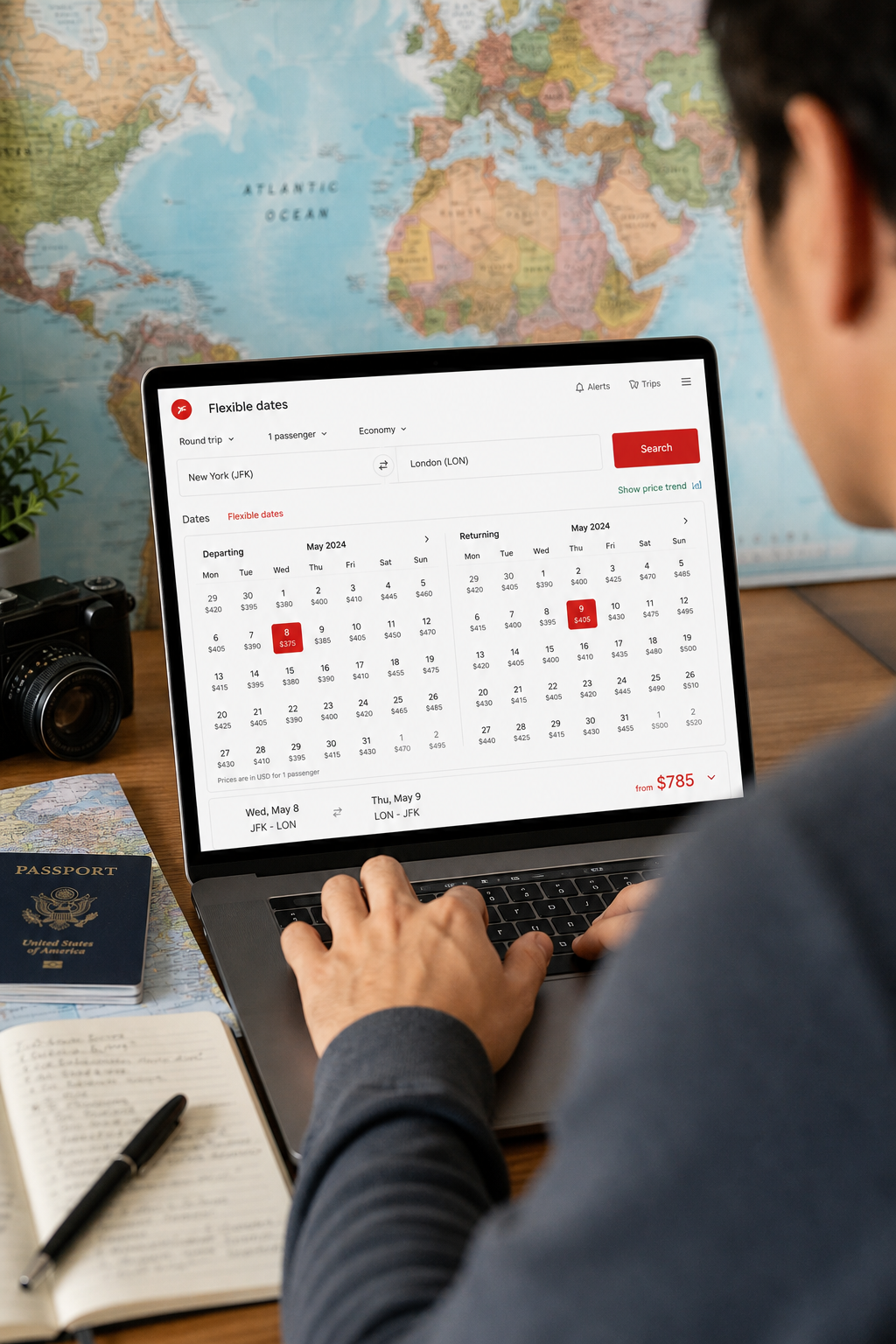
Airlines change prices every few minutes. The biggest lever you have is the calendar. If you can move your trip by a day or two, you’ll often shave off hundreds of dollars. Start by opening a flight search tool, type in your departure city, leave the destination box empty, and switch to the map view. The map shows cheap routes from your airport to anywhere on the globe.
Next, click the date field and select the “Flexible dates” option. The calendar will light up the cheapest days in green. Look for mid‑week departures , Tuesdays and Wednesdays usually cost less because business travelers fill the other days.
When you spot a low fare, set a price alert. The tool will email you if the price drops further. That way you don’t have to stare at the screen all day.
We’ve used this trick on trips to Mexico, Thailand, and even a last‑minute road‑trip from Chicago to New Orleans. In each case the flexible search saved us at least $80 per person.
last‑minute fares tips from Greenspicks echo the same idea , keep your dates open and let the tool do the heavy lifting.
And here’s a quick visual cue:
Once you have a date range, compare nearby airports. Flying into a smaller hub can cut the base fare by 15‑20 %.
Finally, book the ticket as soon as the fare meets your budget target. Waiting too long can erase the discount.
2. Points‑Powered Credit Card , Turn everyday spend into free flights
Credit cards that earn travel points are like a secret savings account. Every grocery run, gas fill‑up, and online purchase adds miles or points that you can later swap for flights.
Pick a card that offers a solid sign‑up bonus , many give 50,000 points after you spend $3,000 in the first three months. That alone can cover a round‑trip domestic flight.
Next, focus on the card’s bonus categories. Some cards give 3 × points on travel and dining, others on everyday purchases. Align the card with where you already spend.
When you’re ready to book, use the card’s portal or transfer points to a partner airline. Transfer bonuses can boost the value of each point by 20‑30 %.
We’ve logged a $1,200 vacation to Greece using points earned from a standard grocery budget. The trick is to treat the card like a debit card , pay the balance in full each month to avoid interest.
cheap flight deals guide on Greenspicks shows how to match points with the cheapest fare, saving you extra fees.
Keep an eye on annual fees. If the rewards you earn exceed the fee, the card pays for itself. For most smart savers the net gain is worth the cost.
3. House‑Sitting Stays , Save on accommodation by caring for homes
Imagine staying in a real home, pet‑friendly, rent‑free, while you watch over a house or a boat. House‑sitting platforms make that happen.
A leading house‑sitting platform is the biggest network. Members pay a modest annual fee (around €10 / month) and gain access to listings worldwide. You’ll find homes in Europe, the U.S., and even tropical islands.
To get started, create a profile that shows you’re reliable. Include references, photos, and a brief note about your experience with pets.
When you land a sit, you’ll often get a full‑size bedroom, kitchen, and sometimes a car. The only cost is your travel to the sit and your food while you’re there. Compared to a $100‑night Airbnb, you can save $70‑$80 per night.
We tried a two‑week sit in a seaside town in Spain. The owners had a dog, a garden, and a rooftop terrace. The stay felt like a vacation, and the cost was essentially zero.
House‑sitting also gives you local insight. Your host can point you to hidden cafés, free events, and shortcuts that tourists miss.
For boat‑sitting, the same principle applies. You’ll stay aboard a vessel, help with lines, and get a unique waterfront experience. It’s a niche market but worth exploring if you love the sea.
We discovered these options through Greenspicks, our travel comparison platform that helps you find budget‑friendly stays.
4. DIY Carry‑On Packing Hacks , Pack light with household items
Every airline charges for checked bags. The easiest way to avoid that fee is to master the carry‑on.
First, choose a bag that fits the airline’s size limits. A small duffel or a hard‑shell suitcase under 22 × 14 × 9 in works for most carriers.
Next, use everyday household items to replace travel‑specific gear. A zippered pillowcase makes a perfect shoe bag. Slip your socks into the case and you keep them separate from clothes.
Pack your toiletries in reusable silicone travel bottles. They’re squeezable, leak‑proof, and fit the 100 ml TSA rule.
Roll clothes instead of folding. Rolling reduces wrinkles and saves space. For shirts, lay them flat, roll tightly, and tuck the roll into the bag’s corners.
Use the “bundle” method for bulkier items like jackets. Wrap the jacket around a core of smaller garments, then secure with a rubber band.
Finally, wear your heaviest shoes and coat on the plane. That frees up room in the bag and keeps you comfortable on the flight.
5. eSIM & Low‑Cost Data Plans , Avoid phone‑bill shock abroad
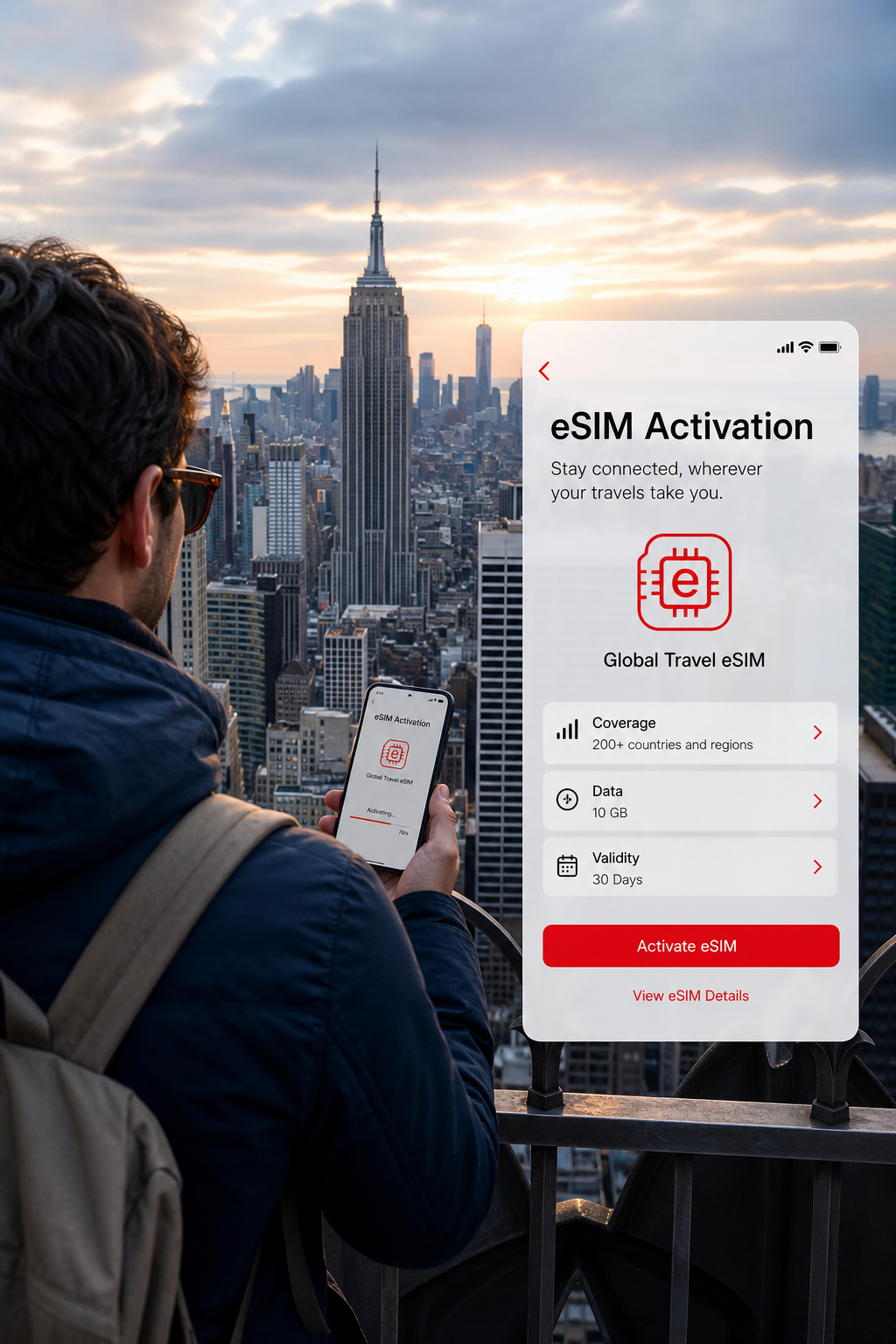
Roaming charges can blow a budget. An eSIM lets you load a local data plan without swapping physical cards.
Buy an eSIM from a reputable provider before you leave. Several reputable eSIM providers offer plans from 1 GB to unlimited data for a week or a month.
Because the eSIM is digital, you can keep your home SIM active for calls and texts. Your phone will switch between networks automatically.
When you land, open the eSIM app, select the country, and download the profile. Within minutes you’re online.
Many providers include a virtual location tool that helps you avoid throttling and gives you a stable connection for video calls.
According to Wikipedia’s eSIM overview, eSIM adoption has grown 45 % year over year, making it a reliable choice for travelers.
For U.S. travelers, the Department of Transportation notes that roaming fees average $12‑$15 per day, so a $30‑$40 eSIM plan can save you half the cost.
We’ve used a 10 GB plan from a popular eSIM provider on a week‑long trip to Japan. The price was $29, and we stayed under the data cap while streaming maps and photos.
How to Choose Cheap Travel Tools
With so many apps, sites, and cards out there, picking the right mix can feel overwhelming. Here’s a quick checklist.
1. Identify your biggest expense , flights, lodging, or data. Focus on tools that address that area first.
2. Look for real‑time pricing. Platforms that aggregate data from multiple sources give you the clearest picture.
3. Check fees. Some “free” tools hide charges in the fine print. Read the terms before you commit.
4. Read reviews from fellow travelers. Community feedback often reveals hidden quirks.
5. Test the tool on a small purchase before you rely on it for a big booking.
Greenspicks excels at step 2 and 3 , it offers a free, real‑time price‑comparison engine that pulls data from airlines, hotels, and car rentals all at once. That breadth makes it a solid foundation for any cheap travel strategy.
avoid tourist traps advice also ties into tool choice: a good platform will highlight free attractions and local discounts.
Comparison Table: Quick Look at Our Top Picks
FAQs
What’s the best way to stay flexible with flight dates?
Use a flight‑search tool that displays a calendar of prices in its flexible‑date view. Select a range of three to five days around your preferred departure and compare the totals. Set price alerts for the lowest day in that window. When the alert fires, book quickly before the fare rises. This method works for both domestic and international routes and often saves $50‑$200 per ticket.
Can I really earn free flights with a credit card if I don’t travel often?
Yes. Many cards give points on everyday categories such as groceries, gas, and dining. Over a year, those points can add up to a free domestic round‑trip. Focus on a card with a low annual fee and a decent sign‑up bonus. Pay the balance in full each month to avoid interest, and transfer points to airline partners when a transfer bonus is active for extra value.
How do I find trustworthy house‑sitting opportunities?
Start with a reputable house‑sitting platform. Create a detailed profile, include references, and be clear about your pet‑care experience. Vet each listing by messaging the homeowner, asking about their routine, and confirming any special needs. A short video call can build trust. Once approved, you’ll have access to listings worldwide, many of which are free for members.
What items can I repurpose for carry‑on packing?
Household items like zippered pillowcases (shoe bags), silicone travel bottles (toothpaste, shampoo), and rubber bands (bundle jackets) are perfect substitutes. A small zip‑lock bag can hold electronics and chargers, keeping them organized. Rolling clothes, using compression socks, and wearing your bulkiest shoes on the plane also free up space. Test the packed bag at home, it should close without strain.
Is an eSIM always cheaper than buying a local SIM?
Usually, yes, especially for short trips. An eSIM plan can be purchased online before you leave, avoiding the hassle of finding a local vendor. Prices start around $10 for 1 GB of data for a week, while a local SIM might cost $20‑$30 for a similar bundle plus activation fees. However, if you need a lot of minutes for local calls, a local SIM may still be the better option.
How can I keep track of my travel spending?
Use a dedicated budgeting tool. It lets you log expenses in any currency, auto‑converts to your home currency, and visualizes spending by category. You can share the budget with travel companions, split costs, and export a CSV for your records. The free version covers most needs, and a premium upgrade adds receipt scanning.
Do cheap travel tips work for family trips?
Absolutely. Flexible dates let you avoid peak‑season rates, while house‑sitting can provide a full‑size home for a family at a fraction of a hotel cost. Pack light to dodge baggage fees for everyone, and use a family eSIM plan to keep data costs low. Pair these tactics with Greenspicks’ comparison tool to find the best bundle deals for flights, hotels, and car rentals.
What’s the biggest mistake budget travelers make?
Locking in a non‑flexible ticket too early. Prices fluctuate, and a rigid booking can cost extra fees for changes or missed savings. Instead, monitor fares for a week or two, set alerts, and be ready to book when the price hits your target. This habit, combined with the other tips in this list, keeps your travel budget in check.
Conclusion
We’ve covered seven cheap travel tips that work in the real world: flexible flight dates, points‑powered credit cards, house‑sitting, smart carry‑on packing, eSIM data plans, a quick tool‑selection checklist, and a side‑by‑side comparison of the top picks. Each tip saves money on a different part of the trip, and together they create a powerful savings engine.
Try one tip on your next trip, then add another. The more you layer, the bigger the total savings. When you need a single place to see all the options, Greenspicks offers a free, real‑time comparison engine that pulls flights, hotels, car rentals, and activities into one view. It’s the shortcut we rely on for smarter travel deals.
Ready to plan a budget‑friendly adventure? Explore our cheap flight deals guide for more detailed tactics, and start booking smarter today.