
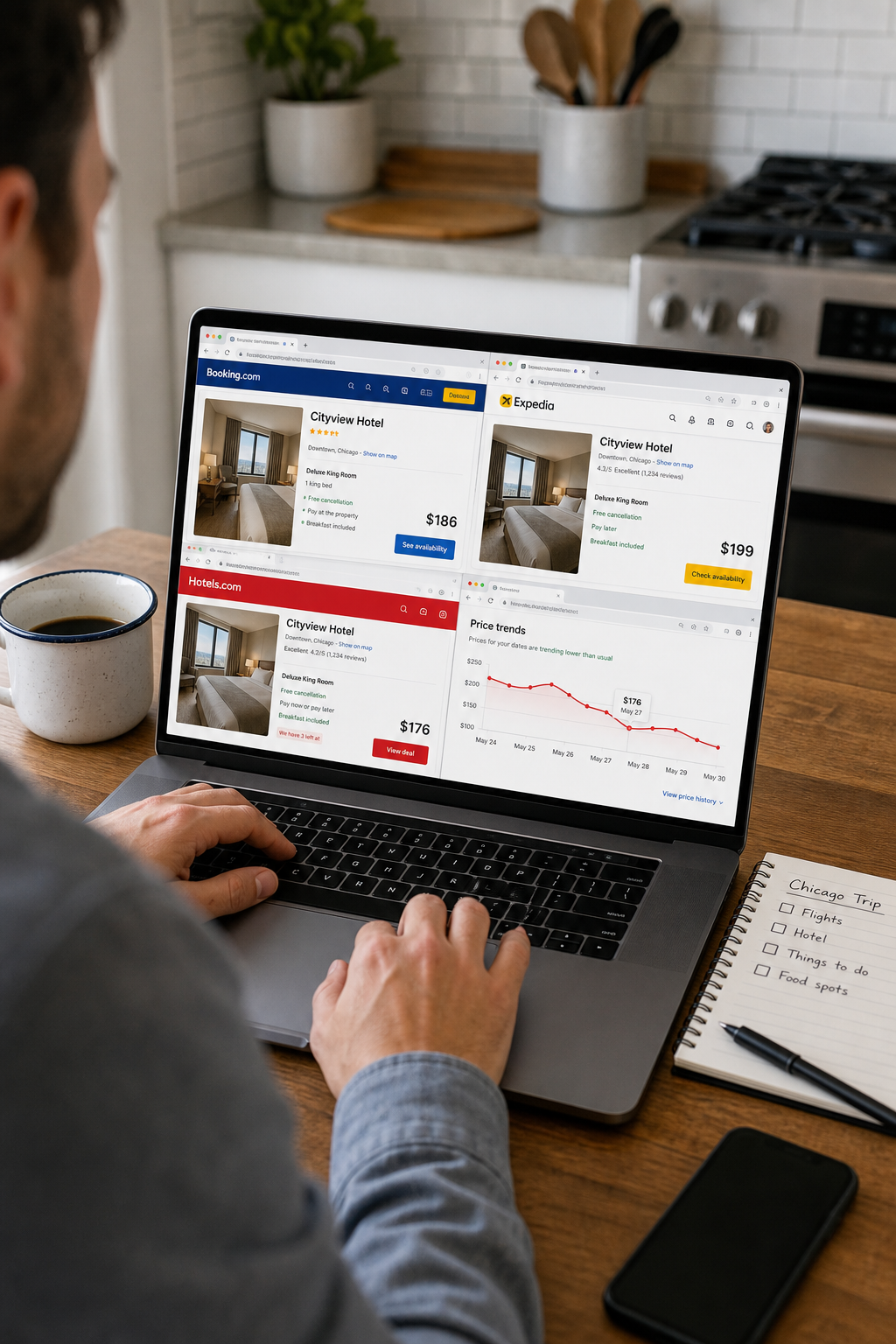
Booking a hotel can feel like a gamble. You stare at a list of prices, wonder if you’ll get a better rate later, and worry about surprise fees at checkout. The good news? You don’t have to leave money on the table. In this guide we walk you through proven steps that let you book smarter, pay less, and still land a room that fits your needs.
We’ll cover the platforms you should trust, tools that watch prices for you, the best moments to click “reserve,” how to read the fine print, ways to earn and spend points, and how to sift through reviews without getting duped. Grab a notebook , you’ll want to capture the tactics as we go.
Step 1: Choose the Right Booking Platform
Not every site that sells hotel rooms is created equal. Some charge hefty commissions that push the price up, while others give you direct access to the hotel’s own inventory. When you book through an online travel agency (OTA) you gain visibility , the OTA’s marketing budget can surface deals you might miss on a hotel’s own site. But that visibility comes at a cost, typically around 15 % of the booking price. According to industry research, direct bookings let hotels keep the full amount and give you access to personalized offers.
Here’s how we break it down:
- OTAs for discovery.Use them when you’re unsure of the exact hotel or want to compare dozens of options side‑by‑side.
- Hotel brand sites for loyalty.If you belong to a loyalty program, the brand’s own site often shows exclusive rates or room upgrades.
- Meta‑search engines.Platforms like Greenspicks pull real‑time pricing from multiple OTAs and direct sites, giving you a transparent snapshot of the market.
We like to start with a meta‑search, note the lowest price, and then visit the hotel’s direct page to see if they match or beat that rate. If the direct rate is lower, you also avoid paying the OTA commission and you keep the hotel’s data for future personalization.
Imagine you’re traveling to Austin for a conference. A quick search on Greenspicks shows three options: $142 on a major OTA, $138 on a boutique site, and $135 on the hotel’s own portal. By checking the direct site you lock in the $135 price and earn points for your stay , a win‑win.
We also recommend setting up a browser in private mode when you compare prices. Cookies can make the same room appear more expensive after a few searches.
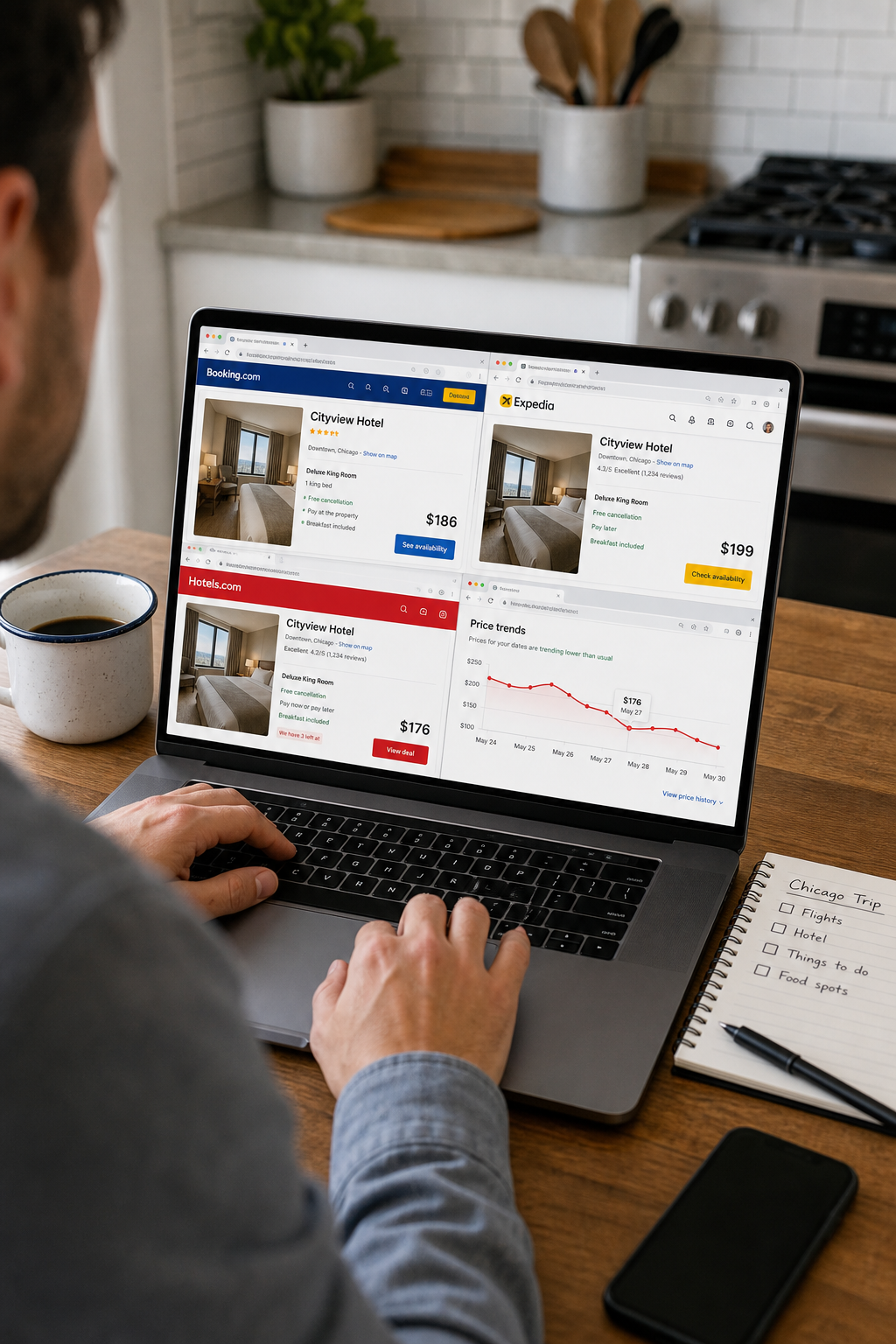
When you spot a good deal, bookmark it or screenshot the rate. Some hotels will honor that price if you call and ask, especially if you mention you found a lower rate elsewhere.
Step 2: Use Price Tracking Tools and Alerts
Even after you’ve picked a platform, prices can shift up or down in the days leading to your stay. The trick is to let technology do the watching for you. Some hotel search tools now offer price‑tracking features that let you toggle a switch on any hotel page and receive email alerts when the rate changes significantly. A travel blog explains that the tool now tracks individual properties worldwide, not just city‑wide averages.
Here’s a simple workflow:
- Search for your hotel using a price-tracking tool.
- Scroll down to the “price tracking” toggle and turn it on.
- Set your preferred dates and price‑drop threshold.
- Watch your inbox for alerts. When you get one, act fast — rates can climb again within hours.
Many OTAs also offer price‑drop alerts. Some booking platforms let you save a “watch list.” If you prefer a single dashboard, try a dedicated price‑watch app that pulls data from multiple sources.
Pro tip: Combine alerts with a flexible cancellation policy. If you get a lower rate after you’ve booked a refundable room, you can cancel and rebook without penalty.
Our own experience shows that a timely alert saved us $30 on a weekend stay in Denver. We booked a refundable room, got a price‑drop email two days later, cancelled, and re‑booked at the new rate — net saving without any hassle.
When you’re ready, head over to Vacation Packages Save Money: Compare Booking Flight and Hotel for a quick look at how package‑level alerts can also flag better hotel rates.
Step 3: Time Your Booking for the Best Rate
When you hit “book now” matters as much as where you click. Research shows that hotel rates tend to dip on Fridays and Saturdays, when demand from business travelers eases and hotels look to fill rooms for weekend guests. Industry research notes that the early week (Monday‑Wednesday) is often the most expensive time to reserve.
But timing isn’t only about the day of the week. The window before your stay is important. A “reserve early, check late” approach works well: book a room as soon as you know your dates, then keep an eye on price‑drop alerts for the final two weeks. If you see a lower rate, you can cancel (if your reservation is refundable) and re‑book.
Here’s a step‑by‑step plan you can follow:
- Mark your calendar.Note the event dates, local festivals, and any school holidays that could spike demand.
- Book a flexible rate.Look for “free cancellation until 24‑72 hours before check‑in.” This gives you a safety net.
- Set price alerts.Use price comparison tools or your favorite booking site’s watch list.
- Re‑check two weeks out.If a lower price appears, cancel and re‑book. Most hotels waive the cancellation fee for refundable bookings.
For example, we needed a hotel in Miami for a weekend in July. We booked a refundable room on a Tuesday, then watched alerts. Two weeks later, an alert showed a $25 drop for the same room type. We cancelled the original reservation (no fee) and re‑booked at the new price , a clear win.
While the data points to Friday and Saturday as optimal booking days, remember that local events can flip the pattern. A major concert or sports championship can keep rates high throughout the week. Always check the city’s event calendar before you lock in a date.
Finally, if you have a strict budget, consider the “last‑minute” strategy. Some hotels release unsold rooms at deep discounts 48‑72 hours before check‑in. This works best in cities with high inventory and low occupancy rates, like Chicago in the off‑season.
For a deeper dive on timing, see Best Days and Times to Book Flights in 2026, the same principles apply to hotels.
Step 4: Understand Cancellation Policies and Hidden Fees
Hidden fees are the silent budget killers. Resort fees, Wi‑Fi charges, parking fees, and mandatory taxes can add $30‑$70 per night without you realizing it. An industry analysis of major hotel chains highlights that some brands tack on the highest resort fees, often undisclosed until the final payment step. A trusted travel finance resource advises travelers to scrutinize the fine print before confirming.
Cancellation policies are another area where flexibility saves money. A refundable rate usually costs a few dollars more per night, but it protects you from sudden plan changes. According to travel booking experts, refundable bookings typically allow free cancellation 24‑72 hours before check‑in. Travel specialists note that the extra cost is worth the peace of mind for most travelers.
Here’s a quick checklist to run before you click “confirm”:
- Look for any “resort fee” or “facility fee” listed separately.
- Check if Wi‑Fi is complimentary or charged per day.
- Confirm the cancellation deadline and any penalty after that point.
- Read the tax breakdown — some locations charge city taxes on top of state tax.
- Ask the hotel directly if they offer a “price match” guarantee for lower rates found elsewhere.
When you spot a hidden fee, call the hotel’s front desk. Many will waive the fee for a direct booking, especially if you mention you found a lower rate on another booking site.
For families traveling with kids, look for hotels that include complimentary breakfast or free parking these perks can offset higher room rates.
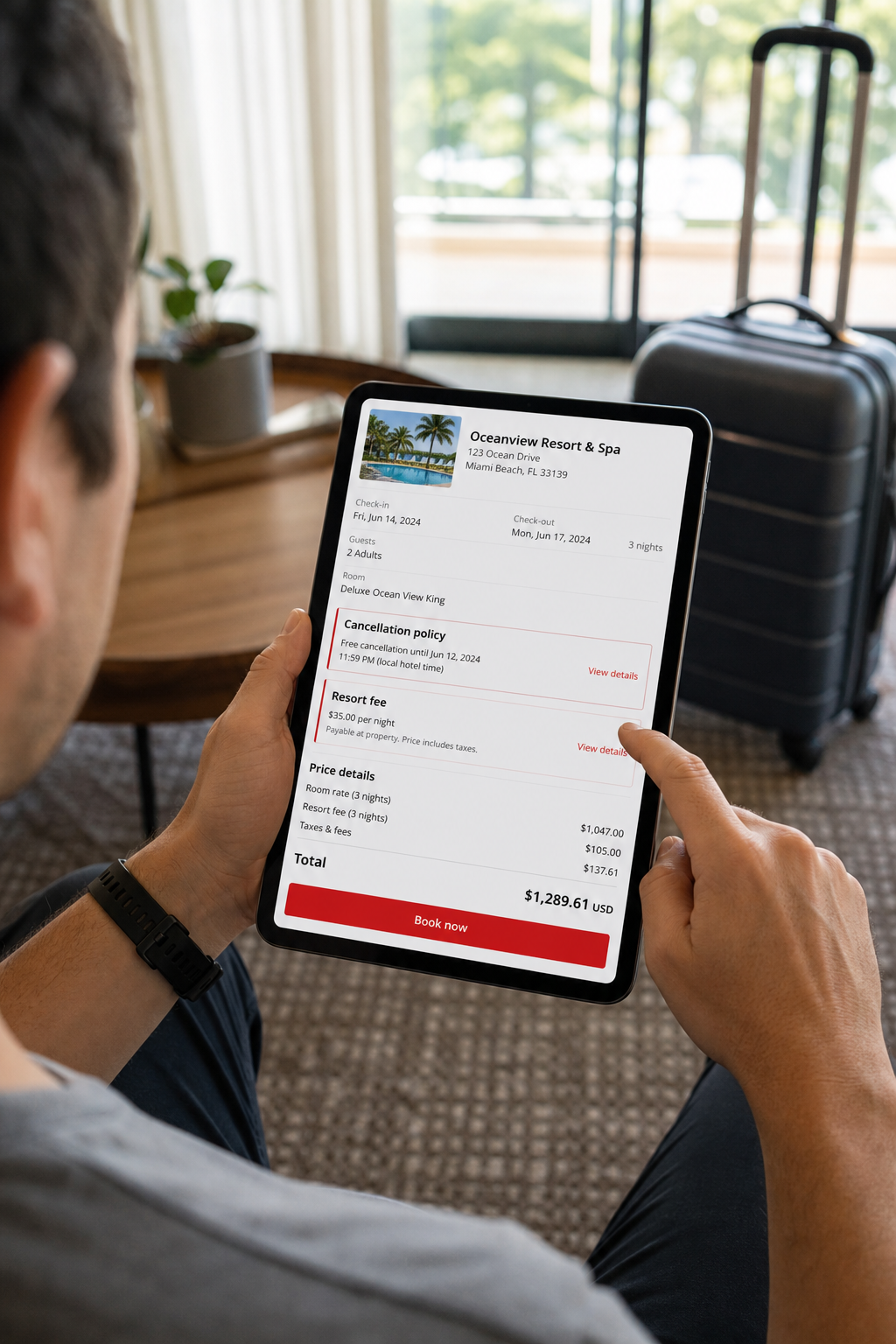
And remember, the cheapest‑looking rate may end up costing more after taxes and fees. A $120 room with a $25 resort fee and $15 tax totals $160. Compare that to a $140 room with no extra fees the latter wins.
Step 5: Join Loyalty Programs and Use Points Strategically
Loyalty programs turn stays into future savings. Most major chains, such as points programs that reward frequent stays and offer free nights and upgrades, let you earn points that can be redeemed for free nights, room upgrades, or even airline miles. Industry guides list the top programs and the benefits each tier unlocks.
Here’s how to make points work for you:
- Sign up early.Enrollment is free and often comes with a welcome bonus after your first stay.
- Earn through stays.Book directly with the hotel to ensure you capture points.
- Earn through partners.Credit cards, car‑rental agencies, and even dining programs can boost your balance.
- Redeem smartly.Look for “point‑plus‑cash” deals that require fewer points than a full free night.
- Transfer points.Some programs let you move points to airline miles for better value on high‑cost routes.
We’ve seen travelers stack multiple programs to avoid devaluation. If one chain raises the cost of award nights, you can still snag a free stay through another using points you earned elsewhere.
For a specific example, imagine you have 30,000 points from one program after three stays. Instead of booking a night that costs 35,000 points, you could transfer 20,000 points to a credit-card rewards account (1:1) and use the remaining 10,000 for a boutique hotel that accepts those points. The hybrid approach stretches your reward budget.
One more tip: Keep an eye on seasonal promotions. Hotels often run “double points” weeks that can accelerate your earning curve.
When you’re ready to compare loyalty options, our Hotel vs. Vacation Rental Comparison article shows how points can tip the scales in favor of a hotel stay.
Step 6: s Like a Pro
Reviews are a double‑edged sword. Genuine guest feedback can reveal clean rooms, friendly staff, and true location benefits. But fake reviews , often written by marketing teams , inflate scores and hide problems. A three‑step rule helps you separate signal from noise.
- Check the reviewer’s profile.Real guests have multiple reviews, photos with imperfections, and a history of stays across different properties.
- Look for specific details.Phrases like “the shower pressure was low” or “the Wi‑Fi dropped during my work calls” indicate a lived experience.
- Spot outliers.One five‑star review amid a sea of four‑star comments may be overly promotional. Conversely, a lone negative review on an otherwise flawless property deserves a quick glance but isn’t necessarily a deal‑breaker.
We recommend reading reviews on at least two platforms , for example, a major review aggregator and the hotel’s own site , because each aggregates a different audience. Cross‑checking helps you catch inconsistencies.
Here’s a real‑world scenario: We were eyeing a boutique hotel in Portland. The OTA listed a 4.7 rating, but the reviews on the hotel’s website mentioned noisy street traffic at night. We called the front desk, confirmed they had sound‑proofed rooms on the upper floor, and booked the higher‑floor room. The stay was quiet and earned us a complimentary late checkout.
When you find a review that mentions a hidden fee, such as a resort charge not listed in the room description, flag it and ask the hotel directly before you book.
Finally, keep an eye on the date of the reviews. Recent feedback reflects current management and renovations; older reviews may no longer be accurate.
FAQs
What is the best time of year to book a hotel for a vacation?
Travel demand spikes during school holidays, major festivals, and peak tourist seasons, so prices rise. Booking 6‑12 months ahead for peak‑season trips often secures the lowest rates, while a 1‑3 week window works for off‑peak travel. Use price‑tracking alerts to catch last‑minute drops if your dates are flexible.
How can I avoid hidden resort fees?
Read the fine print on the hotel’s official site before you book. Look for line items titled “resort fee,” “facility charge,” or “city tax.” Compare the total cost on multiple platforms and call the hotel to confirm any extra charges. Some hotels waive the fee for direct bookings.
Are refundable rates worth the extra cost?
Refundable rates cost a few dollars more per night but protect you from unexpected changes. If your travel dates might shift, the extra expense is a small price for flexibility. Many travelers find the peace of mind outweighs the modest premium.
Which loyalty program offers the best value for occasional travelers?
Some premium loyalty programs provide high point‑to‑dollar value for mid‑range stays, while large chains have broad networks and frequent promotions. Evaluate where you stay most often and choose the program that aligns with your typical destinations.
How do I know if a hotel review is fake?
Look for generic language, over‑the‑top adjectives, and a lack of personal detail. Check the reviewer’s history , real guests have multiple reviews across different hotels. Spot outlier scores that differ dramatically from the overall rating and verify with photos that show realistic imperfections.
Can I combine points from different loyalty programs?
Directly merging points isn’t possible, but you can transfer points from flexible credit‑card programs like popular flexible reward programs into partner hotel programs. This lets you use a single points pool to book stays across multiple brands.
Should I book through an OTA or the hotel’s website?
Start with an OTA to compare options and spot the lowest base price. Then visit the hotel’s direct site , you might find a lower rate, extra perks, or a price‑match guarantee. Booking directly also earns you loyalty points that many OTAs don’t award.
Do price‑tracking tools work for all hotel brands?
Many travel search platforms now track most major brands and many boutique properties. Some smaller independent hotels may not appear in the tool, so set alerts on the OTA or use a meta‑search like Greenspicks that aggregates a broader inventory.
Conclusion
Saving money on a hotel doesn’t mean settling for a sub‑par room. By choosing the right platform, watching price changes, timing your booking, reading the fine print, using loyalty points, and vetting reviews, you turn every stay into a smarter investment. These steps work together , a good price alert can reveal a hidden fee, a flexible rate lets you act on a price drop, and a loyalty program can turn a modest stay into a free night later.
We’ve walked through the process, shared real examples, and gave you actionable checklists. Put these tips into practice on your next trip and watch the savings add up. If you want more in‑depth guides on budgeting, explore our Last Minute Hotel Deals page for additional hacks that complement the steps above.