
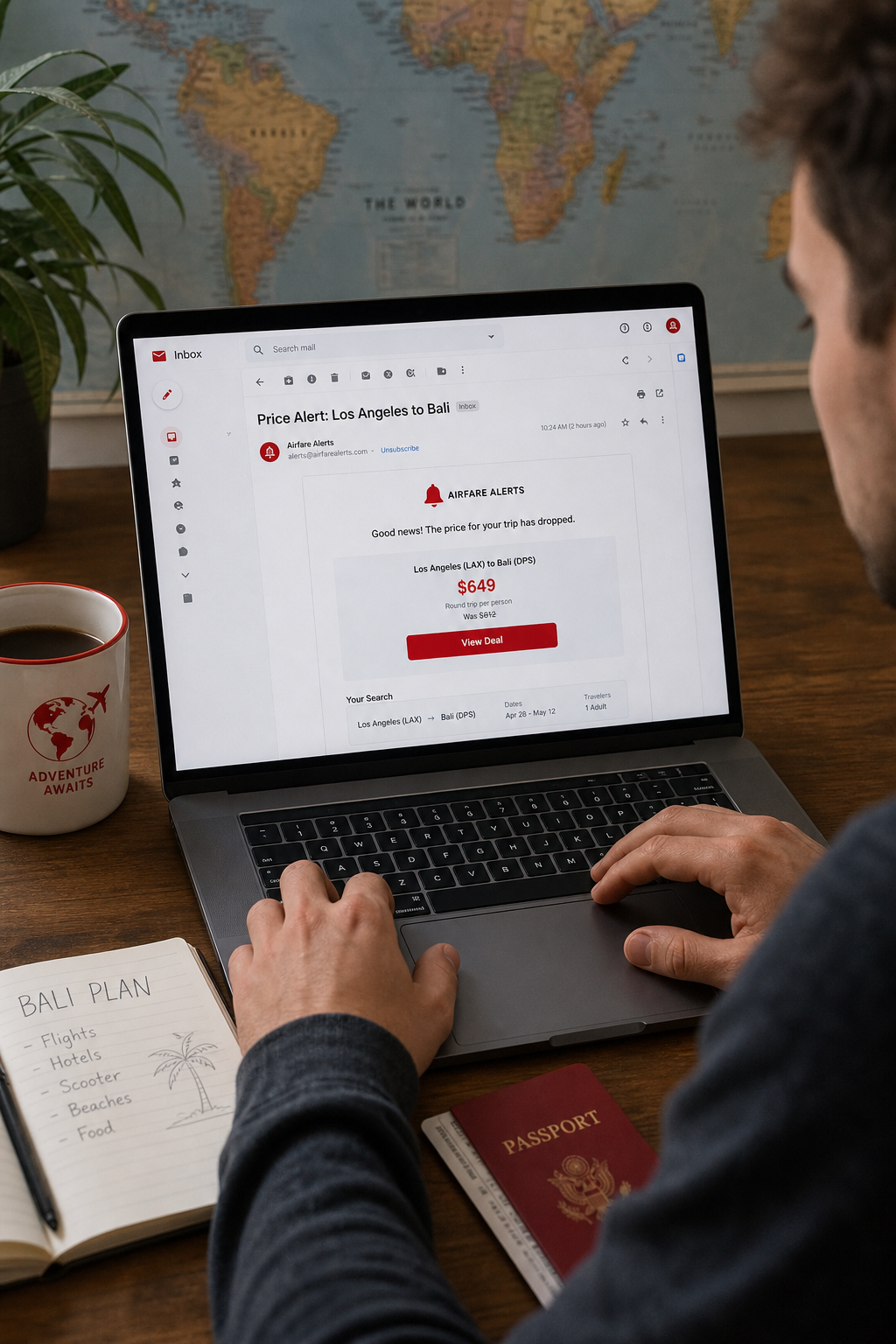
Last‑minute travel can feel like a race against the clock, but the right tricks turn it into a win. In 2026, real‑time alerts, flexible searches, and savvy points strategies let you snag flights, hotels, and rentals for a fraction of the usual price. In this guide we walk through five specific steps you can start right now, plus extra tips for rewards, aggregators, and FAQs.
Step 1: Set Up Price Alerts and Notifications
Price alerts are the digital equivalent of a weather radar for deals , they spot a dip before anyone else does. Most travelers skip them and end up paying a premium. Here’s how to get the most out of alerts.
First, choose a platform that aggregates flights, hotels, and car rentals in one place. Last Minute Fares: Tips for Smart Bookings – Greenspicks offers a real‑time comparison engine that pulls data from dozens of sources, so you can set a single alert and watch all the numbers move.
Next, create separate alerts for each leg of your trip , one for outbound, one for return, and one for the hotel. If you’re flexible on airports, set alerts for nearby hubs as well. For example, a New York traveler might watch both JFK and Newark; a Dallas flyer could monitor DFW and Love Field. This simple trick expands your pool of low‑cost options.
When configuring alerts, use a price threshold that reflects the total cost, not just the base fare. Include taxes, baggage fees, and any mandatory surcharges. A $150 base fare that balloons to $250 after fees is still a bad deal, even if the alert fires at $150.
Finally, test the timing. Alerts that trigger at 2 am often catch airlines resetting their inventory. We’ve seen price drops between 1 am and 4 am, especially on routes with heavy competition. Set your email or phone notifications to wake you up , it can be worth the early alarm.
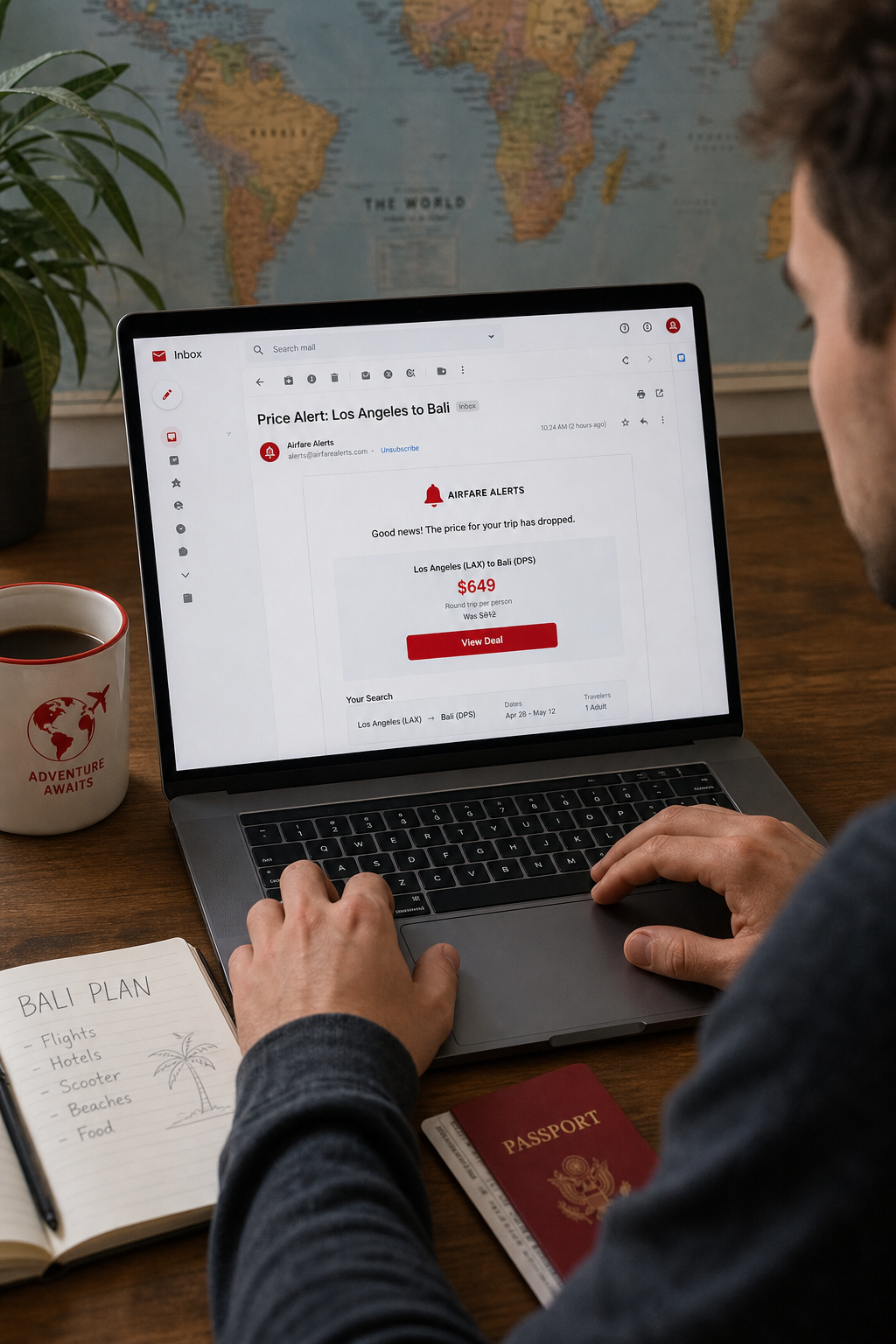
Key takeaway: Alerts work best when they cover all components, include fees, and monitor multiple airports. Once you’ve set them, you’ll have a live feed of savings ready to act on.
Step 2: Use Flexible Date and Destination Search Tools
Flexibility is the single most powerful lever for last‑minute savings. When you let the calendar breathe, the engine can match you with seats that would otherwise sit empty.
Start with a tool that shows a calendar grid instead of a single date. Greenspicks’ flexible‑date view lets you slide a three‑day window left or right and instantly see price shifts. If a Tuesday is $80 cheaper than a Friday, the grid makes that clear in seconds — and as we explain in our guide on best day to book flights, Tuesday isn’t the only cheap day.
Second, explore the “anywhere” destination feature. By typing your home airport and selecting “anywhere,” the engine returns a map of all destinations with fares under your budget. This opens up surprise trips , a cheap flight to Denver might turn into a weekend ski getaway you hadn’t considered.
Third, combine flexible dates with flexible airports. Many major cities have secondary airports that charge less for the same route. For instance, flying into Chicago Midway instead of O’Hare can shave $30 off a last‑minute ticket. The same principle applies overseas , consider London Gatwick over Heathrow.
When you spot a low fare, act fast but double‑check the total cost. Some low‑price results hide extra fees for seat selection or checked bags. Use the “price breakdown” button on Greenspicks to see the full picture before you click.
Why does this work? Airlines use dynamic pricing , they raise and lower fares based on demand, competition, and remaining inventory. According to Wikipedia’s dynamic pricing article, airlines may drop prices minutes before departure to fill seats that would otherwise fly empty. By staying flexible, you ride that wave.
Pro Tip: Set your search to “cheapest month” when you have weeks to travel. The tool will highlight the low‑cost window, then you can narrow down to the exact dates that work for you.
Step 3: Check Airlines and Hotels’ Last‑Minute Apps
Many airlines and hotel chains push exclusive discounts through their mobile apps. These offers often disappear once you leave the app, so it pays to check them directly.
Start with the major carriers you fly most often. Download their apps and enable push notifications for “Deal Alerts.” In 2026, one major carrier’s app added a “Last‑Minute Saver” banner that shows flights under $100 departing within 48 hours.
For hotels, several major hotel chains have apps that feature a “Tonight’s Rate” tab. These rates are typically lower than the public website because the brand wants to fill rooms that would otherwise sit empty. We’ve booked a $70 nightly room in a downtown hotel using one of these apps, saving nearly 40 % off the standard rate.
Below is a quick comparison of popular airline and hotel apps, focusing on features that matter for last‑minute hunting:
After you spot a deal, verify the cancellation policy. Some app‑only rates are non‑refundable, which is fine for spontaneous trips but risky if your plans change. Look for “flexible” tags or free‑cancel windows.
Step 4: Use Travel Rewards and Points for Deals
Points and miles are the secret sauce for truly cheap last‑minute travel. When cash prices rise, reward inventories often stay stable, giving you a way to sidestep high fares.
Start by reviewing the credit cards you already hold. A premium rewards card, for example, offers a $300 travel credit each year and a 75,000‑point sign‑up bonus that can be redeemed for flights at 1 cent per point. Those points translate to $750 in flight value , a huge buffer for a last‑minute ticket.
If you have a premium travel card, take advantage of its annual $300 travel credit and priority pass lounge access. The credit can be applied to any travel purchase, including a sudden flight you book on short notice.
Next, check airline loyalty programs for “award space releases.” Many carriers add seats to their award pool 72 hours before departure — a tactic detailed in our guide on why airlines drop prices at the last minute. U.S. Department of Transportation’s Air Consumer website notes that airlines often adjust inventory to avoid empty seats, which creates last‑minute award openings.
When you find a flight you like, compare the cash price versus the points cost. Use the “price‑per‑point” calculator on Greenspicks to see which option gives you the best value. If a flight costs $200 cash or 20,000 points, that’s 1 cent per point , a solid deal.
Don’t forget hotel points. Programs like top hotel loyalty programs let you book rooms for as little as 10,000 points per night. If you have a surplus, you can lock in a room that would otherwise cost $150, effectively saving $140.

Bottom line: By mixing cash and points, you can often beat the highest cash fare, especially when airlines drop prices at the last minute.
Step 5: Book Through Aggregators with Last‑Minute Filters
Aggregators pull inventory from dozens of airlines, hotels, and car‑rental firms, giving you a bird’s‑eye view of what’s left. The key is to use the right filters so you only see true last‑minute offers.
First, go to an aggregator that lets you filter by “departure within 72 hours.” Many major booking platforms offer this option. When you enable it, the results list only those flights that still have seats, which cuts out the noise of full‑priced future tickets.
Second, sort by “price + fees” instead of just base fare. Some sites hide baggage, seat selection, and fuel surcharges in the fine print. Greenspicks shows the total cost up front, so you can compare apples to apples.
Third, enable the “price‑match guarantee” filter where available. Certain booking sites will refund the difference if you find a lower price within 24 hours of booking. This safety net lets you book fast without fearing you missed a better deal.
Fourth, watch for “opaque” deals. Some booking platforms hide the hotel name until after purchase but guarantee a star rating and location. These can be as low as 60 % off the standard rate for a last‑minute stay.
Finally, combine the aggregator search with your price alerts. If an alert fires at $150 for a route, run the same query on the aggregator with the last‑minute filter. If the aggregator shows the same fare, you’ve confirmed it’s a real deal and can book instantly.
FAQs
What is the best time to set a price alert for a last‑minute flight?
We recommend setting alerts at least 48 hours before you plan to travel. Alerts that trigger between 1 am and 4 am often capture airline inventory resets. Keep the alert active for a full 24‑hour window to catch any late‑night price drops, then act quickly when the threshold is met.
Do flexible‑date searches really save money, or is it just a myth?
Flexibility saves money because airlines use dynamic pricing that varies by day, time, and demand. By sliding a three‑day window left or right, you can see price differences of $30‑$80 on the same route. The savings become especially pronounced when you’re willing to depart on a weekday instead of a weekend.
Are mobile‑only deals on airline apps better than desktop prices?
Yes, many carriers push exclusive “app‑only” fares to fill seats quickly. These deals can be up to 20 % lower than the same flight shown on a desktop site. Enable push notifications in the app, and check the “Last‑Minute Saver” or similar banner for the deepest discounts.
How can I use credit‑card points for a last‑minute flight without losing value?
First, calculate the cash price versus the points cost using a price‑per‑point calculator. Aim for at least 1 cent per point to ensure you’re getting good value. Then, look for airline award releases 72 hours before departure. Transfer points from a flexible program if the airline’s own program doesn’t have seats.
Do price‑match guarantees work for last‑minute bookings?
Most major aggregators offer a price‑match guarantee within 24 hours of booking. If you find a lower fare on another site, submit the proof and the aggregator will either refund the difference or credit you for a future trip. This gives you confidence to book fast without fearing a better deal will appear later.
What should I watch out for with opaque hotel deals?
Opaque deals hide the hotel name until after purchase, but they guarantee a star rating, location, and guest score. Check the cancellation policy , many are non‑refundable , and be sure the area fits your travel plans. If the rating and price look right, these deals can shave 50‑60 % off standard rates.
Can I combine airline points with aggregator discounts?
Yes. Book the flight through an aggregator using a cash price, then apply a travel credit from your card issuer (like a $300 annual travel credit) to offset the cost. Some aggregators also let you redeem points directly at checkout, turning a cash price into a points purchase.
How often should I refresh my search for a last‑minute deal?
Refresh every 2‑3 hours, especially during off‑peak hours (early morning or late night). Prices can swing quickly as seats fill. If you have an alert set, you’ll get an email as soon as the price dips, but a manual refresh can catch deals that haven’t yet triggered an alert.
Conclusion
Finding last‑minute travel deals isn’t about luck; it’s about a system you can run every time you need to book fast. Set up complete alerts, stay flexible with dates and airports, check carrier apps for hidden rates, use points and travel credits, and use aggregators with targeted filters. By following these five steps, you’ll turn spontaneous trips into budget‑friendly adventures.
We’ve built this guide on the same data that powers Greenspicks’ real‑time comparison engine, so you can trust the process works in the real world. Ready to try it yourself? Explore our deeper guide on last‑minute flight deals in Europe for region‑specific tips, or jump straight into a search on Greenspicks and start saving today.