
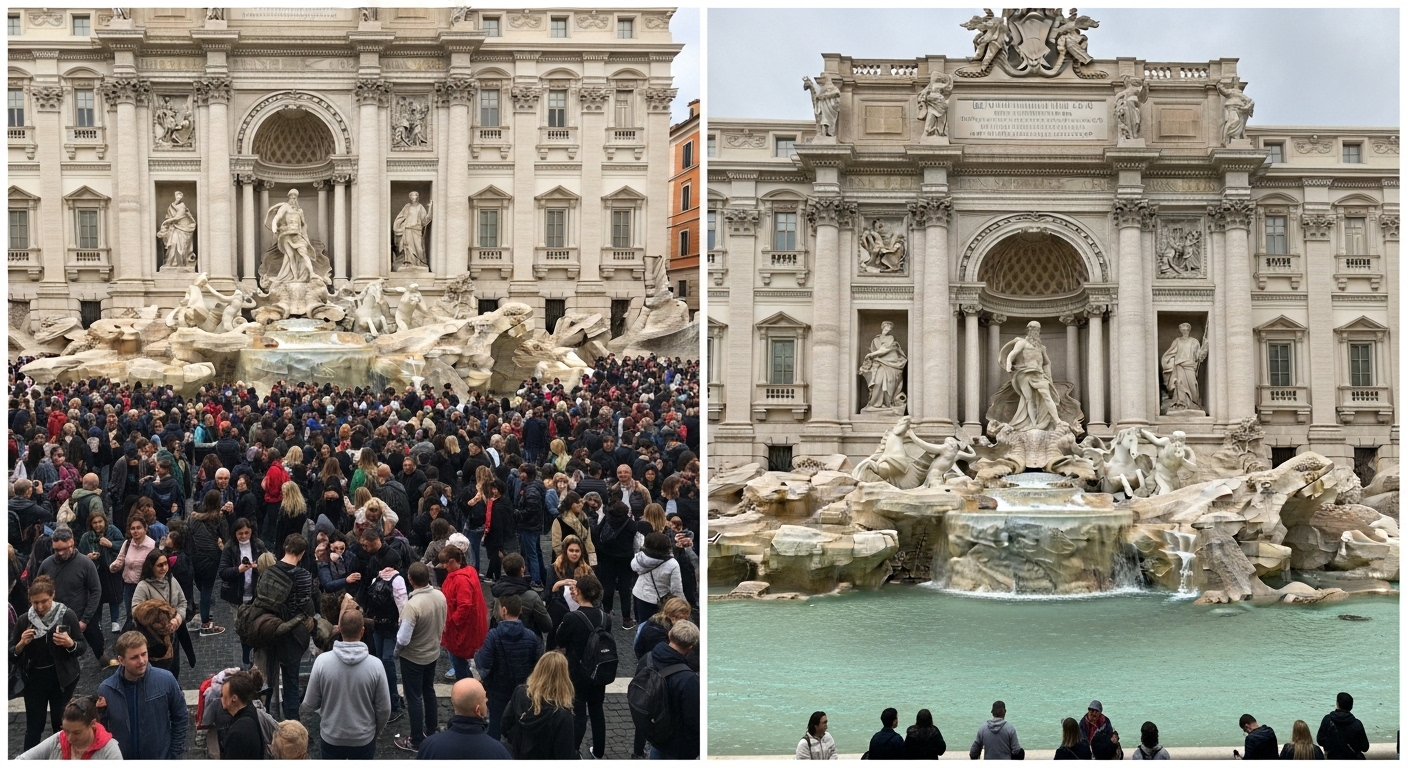
Travel is often treated like a fixed expense. Flights are expensive, hotels cost what they cost, and trips simply add up. That belief is common, but it’s also wrong.
At GreenSpicks, we’ve found that one of the most overlooked ways to travel well without overspending is understanding off-season travel costs. Not just when prices drop, but why they drop, what actually gets cheaper, and where travelers often miscalculate. When you understand those mechanics, travel planning stops feeling like guesswork and starts feeling strategic.
This guide breaks down off-season travel costs in plain terms. No hype, no unrealistic promisesjust clear explanations, real-world patterns, and practical insight you can actually use.
Compare the Best DealsThe Truth About Off-Season Travel Costs
Off-season travel is often described as “traveling when no one else is.” That’s an oversimplification.
In reality, off-season travel refers to periods when demand drops due to predictable factors like weather, school calendars, and regional travel habits. These periods vary by destination, and they don’t always mean bad conditions or closed attractions.
What defines the off-season?
- Lower tourist volume
- Reduced demand for flights and accommodations
- More flexible availability
- Fewer peak-event or holiday premiums
What Off-Season Travel Doesn’t Guarantee?
- Poor experiences
- Unsafe travel
- Limited access to essentials
- Closed destinations across the board
Many places function normally during their off-season, just without crowds and inflated prices.
How Off-Season Travel Cuts Your Costs?
Lower prices aren’t random. They’re the result of supply-and-demand dynamics playing out in predictable ways.
Airlines adjust prices based on seat demand
When flights don’t fill quickly, airlines reduce fares to keep planes profitable. Off-season routes often see lower base fares and fewer surge-price spikes.
Hotels respond to occupancy pressure
Hotels prefer lower rates over empty rooms. During off-peak months, you’re more likely to see:
- Reduced nightly rates
- Free upgrades or better rooms
- More flexible cancellation terms
These off-season rates aren’t charity; they’re smart revenue management.
Local tourism economies slow down
Tour operators, guides, and even transportation services often reduce prices to stay active when demand softens. This can lower the total trip cost beyond flights and lodging.
The Real Savings of Traveling Off-Season
The savings depend on destination, timing, and travel style, but general patterns are consistent.
On average, travelers report:
- 20–40% lower airfare compared to peak season
- 25–50% savings on accommodations
- Noticeable reductions in tour and activity pricing
The key is that these savings stack. When flights, hotels, and activities all cost less at the same time, the total difference becomes meaningful.
Curious how off-season savings look for specific destinations? GreenSpicks shares real-world cost breakdowns that show how timing affects total trip budgets.
Off-Season Travel in October: A Sweet Spot for Budget and Balance
October deserves special attention because it sits in a rare overlap: off-season pricing with relatively stable conditions in many regions.
Why October Is Perfect for Travel?
- Summer crowds are gone
- Holiday pricing hasn’t started
- The weather is often mild rather than extreme
- Services are still fully operational
For many destinations, off-season travel in October offers the best mix of affordability and comfort. It’s particularly strong for travelers who want lower costs without compromising too much on experience.
Popular Off-Season Travel Destinations (and Why They’re Cheaper)

Not all destinations go off-season at the same time. Understanding why a place becomes cheaper helps you decide whether it’s right for you.
Coastal destinations
Prices drop after peak summer due to school calendars and shifting weather expectations even when conditions remain perfectly acceptable.
Urban destinations
Cities often have softer pricing between major event seasons. Museums, restaurants, and transit remain fully functional year-round.
Nature-focused regions
Areas tied to hiking, wildlife, or outdoor activities may have off-seasons based on climate cycles, not accessibility.
Choosing the right off-season travel destinations means aligning your expectations with local conditions, not assuming off-season equals bad season.
What Really Gets Cheaper Off-Season (and What Doesn’t)?
A common mistake is assuming every part of a trip becomes cheaper at the same rate. That’s rarely true.
Typically cheaper:
- Flights
- Hotels and vacation rentals
- Tours and guided activities
- Car rentals (outside holiday windows)
Often unchanged:
- Food prices in cities
- Public transportation fares
- Attraction entry fees
Understanding this prevents disappointment and helps you budget accurately.
How to Find Genuine Off-Season Travel Deals?
Not every discount labeled as a deal is meaningful. Some are marketing language applied to minor price drops.
Real off-season travel deals usually involve:
- Base price reductions (not add-ons)
- Fewer restrictions
- Flexible date ranges
- Clear savings compared to peak pricing
Be cautious of deals that only apply to limited inventory or force inconvenient travel times without meaningful cost benefits.
Save up to $500 when booking flight + hotelOff-Season Travel Mistakes You Should Avoid
Mistake 1: Ignoring weather nuance
Off-season doesn’t mean constant rain or extreme conditions, but it does require checking regional patterns carefully.
Fix: Look at monthly averages, not general seasons.
Mistake 2: Overpacking activities
Some experiences may run on limited schedules.
Fix: Confirm operating hours before finalizing itineraries.
Mistake 3: Assuming everything is discounted
Not all costs drop equally.
Fix: Budget based on realistic savings categories.
The Environmental Upside of Off-Season Travel
There’s a quieter benefit to traveling off-season: reduced pressure on destinations.
Lower visitor density means:
- Less strain on local infrastructure
- More balanced tourism income across the year
- Reduced overcrowding in sensitive environments
For travelers who care about impact, not just price,e off-season travel often aligns better with responsible tourism principles.
When Off-Season Travel Isn’t Worth Your Time or Money?
Off-season travel isn’t ideal for everyone or every trip.
You may want to avoid it if:
- A destination’s main attraction is seasonal and unavailable
- Weather risks significantly disrupt transport
- Your travel dates are fixed around peak holidays
The goal isn’t chasing the cheapest option; it’s finding the best value for your needs.
Why Does When You Travel Matter More Than How Much You Save?
Is travel getting too expensive? For many Americans, the cost of a summer vacation in Europe or a spring break in Florida has reached an all-time high. But there is a “cheat code” that savvy travelers use to cut their expenses by nearly half: Off-Season Travel.
At GreenSpicks, we believe travel shouldn’t be a financial burden. Here is how you can master the art of timing to get 5-star experiences on a 3-star budget.
✈️ Real User Experiences: What It’s Actually Like
We asked our community about their best off-season wins. Here’s what they shared:
-
The Italy Escape (November): “I visited Rome in late November. Instead of the usual $450 per night for a central hotel, I paid $180. The best part? I walked right into the Pantheon without a 2-hour wait in the heat.” Liam D. New York
-
The Caribbean Dream (May/June): “People fear the ‘shoulder season’ in the Caribbean, but we had 5 days of perfect sun and only one afternoon shower. Our luxury villa in St. Lucia was 40% cheaper than in January.” Kirk H, Philadelphia PA
📊 Price Comparison: Peak vs. Off-Season (Average US Estimates)
| Category | Peak Season (July/Dec) | Off-Season (Oct/Feb) | Potential Savings |
| Roundtrip Flight (US-Europe) | $1,200 – $1,600 | $550 – $850 | ~45% |
| Luxury Hotel (per night) | $450+ | $220 – $280 | ~50% |
| Car Rental (weekly) | $600 | $350 | ~40% |
| Tours & Activities | Full Price + Crowds | 10-20% Discount + Privacy | Valuable Time |
💡 Expert TIPS for Smarter Planning
-
The “October Sweet Spot”: As we highlight at GreenSpicks, October is often the goldilocks zone. Summer crowds are gone, prices have dropped, but the weather in many regions (like the Mediterranean or the US Southwest) is still beautiful.
-
Watch the “Hidden” Costs: While flights and hotels drop, fixed costs like public transit or dining in major cities stay the same. Budget your daily “walking around” money normally.
-
Check Local Calendars: Off-season for you might be peak season for locals. Avoid traveling during local school holidays or major festivals if you want the lowest rates.
-
Book Flexible Rates: Off-season weather can be unpredictable. Always choose refundable bookings so you can pivot if a storm is brewing.
-
Malaysia Trip Cost for Couple: Travel Cost Overview
-
Car Rent: Find Cheap Car Rental & Car Discounts
-
Trip to Berlin Cost: A Clear, Real-World Breakdown for Travelers
🚀 Ready to Plan Your Next Adventure?
Why GreenSpicks?
We are a travel meta-search site dedicated to finding you the best offers on everything from flights and cruises to theater tickets and bike rentals. Travel smarter, not harder.
Conclusion

Off-season travel isn’t about settling for less. It’s about traveling with intention.
When you understand how off-season pricing works, you gain:
- Better cost control
- More flexibility
- Less crowd-driven stress
The result isn’t just a cheaper trip, it’s often a calmer, more thoughtful one. If you want to travel smarter rather than louder, learning how off-season travel costs actually work is a strong place to start.
GreenSpicks focuses on practical travel planning, understanding real costs, timing patterns, and trade-offs, so travelers can plan confidently before booking.
FAQs
Is off-season travel always cheaper?
Not always, but it often is. Savings depend on destination, timing, and how closely prices follow demand cycles.
Is off-season travel risky?
It can be if you ignore weather patterns or service availability. With proper research, most risks are manageable.
Are flights cheaper during off-season months?
Yes, especially on routes tied to seasonal demand. Airlines adjust prices quickly when demand drops.
Does off-season travel affect experience quality?
In many cases, it improves it with fewer crowds, more flexibility, and less pressure on services.
Is October a good month for off-season travel?
For many destinations, yes. October often offers reduced prices without extreme conditions.