
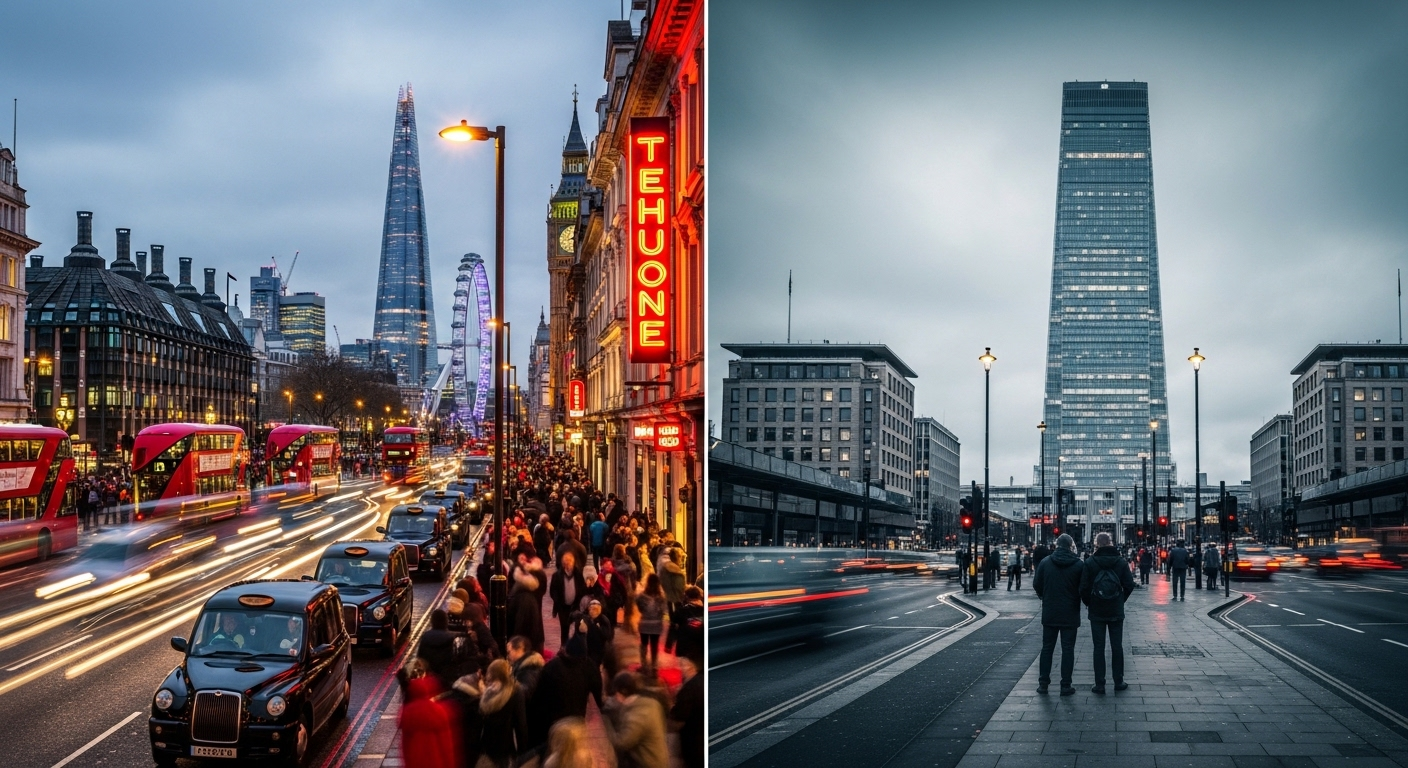
Planning a trip to the UK often triggers the same uneasy question: “Is this going to cost way more than I expect? At GreensPicks, we see this concern all the time, especially from travelers who want clarity before committing to flights, accommodations, and daily expenses. The truth is, UK travel costs aren’t mysterious or unpredictable. They’re simply misunderstood. Many people assume the UK is universally expensive, while others underestimate everyday costs and end up adjusting plans mid-trip. Both scenarios usually come down to a lack of clear, practical information.
This guide is designed to change that. If you’re trying to understand the real trip to the UK cost, we break everything down in straightforward terms: transport, accommodation, food, attractions, and common budget mistakes, so you can plan with confidence, not guesswork.
Understanding the Real Cost of Travel to the UK
The cost of travel to the UK isn’t one single number. It’s a combination of choices: when you go, where you stay, how you move around, and what kind of experience you want.
Two travelers can spend wildly different amounts while visiting the same cities. One might rely on public transport and local eateries; another may prioritize convenience, central hotels, and guided tours. Neither approach is wrong, but they come with different price tags. To build a realistic UK trip budget, it helps to break costs into clear categories. For travelers trying to build a realistic UK budget, GreensPicks focuses on explaining how timing, location, and daily decisions affect overall travel costs before bookings are made.
Amazing things to doFlights: Your Biggest Variable Cost
Flights often represent the largest upfront expense, and prices fluctuate significantly.
What Affects Flight Prices?
- Departure location: Flights from North America, Australia, or Asia cost more than those from mainland Europe.
- Season: Summer (June–August) and December are peak pricing periods.
- Booking timing: Prices typically stabilize 2–4 months in advance, though this isn’t guaranteed.
Typical Ranges (Round Trip)
- From Europe: moderate
- From North America: mid to high
- From Australia/New Zealand: high
Budget airlines can reduce costs within Europe, but they often charge extra for luggage and seat selection. These add-ons can quietly close the gap between cheap and standard fares.
Accommodation: Where Budgets Expand or Collapse
Accommodation plays a huge role in the cost of a trip to the UK, especially in major cities.
Average Nightly Costs (Per Person)
- Hostels/budget rooms: Low to moderate
- Mid-range hotels: Moderate to high
- Central London hotels: High to very high
Prices drop noticeably outside London and other major hubs. Cities like Manchester, Leeds, York, or Cardiff often provide better value without sacrificing comfort or character.
Smart Budget Trip
Staying slightly outside city centers but near reliable public transport often delivers the best balance between cost and convenience.
Transportation Within the UK
The UK has one of the most connected public transport systems in Europe, but it isn’t always cheap.
Trains
- Fast and efficient
- Can be expensive if booked at the last minute
- Advance tickets are significantly cheaper
Buses & Coaches
- Slower but far more budget-friendly
- Ideal for longer intercity routes if time isn’t tight
Local Transport
- Cities rely heavily on buses and underground systems
- Daily caps and contactless payments help control spending
Transportation costs are often underestimated in a budget travel UK plan, especially when hopping between cities without bookings.
Transportation is one of the most misunderstood UK travel costs. GreensPicks breaks down these trade-offs clearly so travelers can choose routes that balance time, comfort, and budget.
Food & Daily Living Costs
Food prices in the UK are more flexible than many expect.
Daily Food Budget (Per Person)
- Supermarkets & casual meals: Low to moderate
- Pubs & mid-range restaurants: Moderate
- Upscale dining: High
A mix works best. Many travelers save by having breakfast from grocery stores, lunch on the go, and dinner at a local pub. Tap water is free and safe, which quietly saves money over time.
Attractions, Activities, and Sightseeing
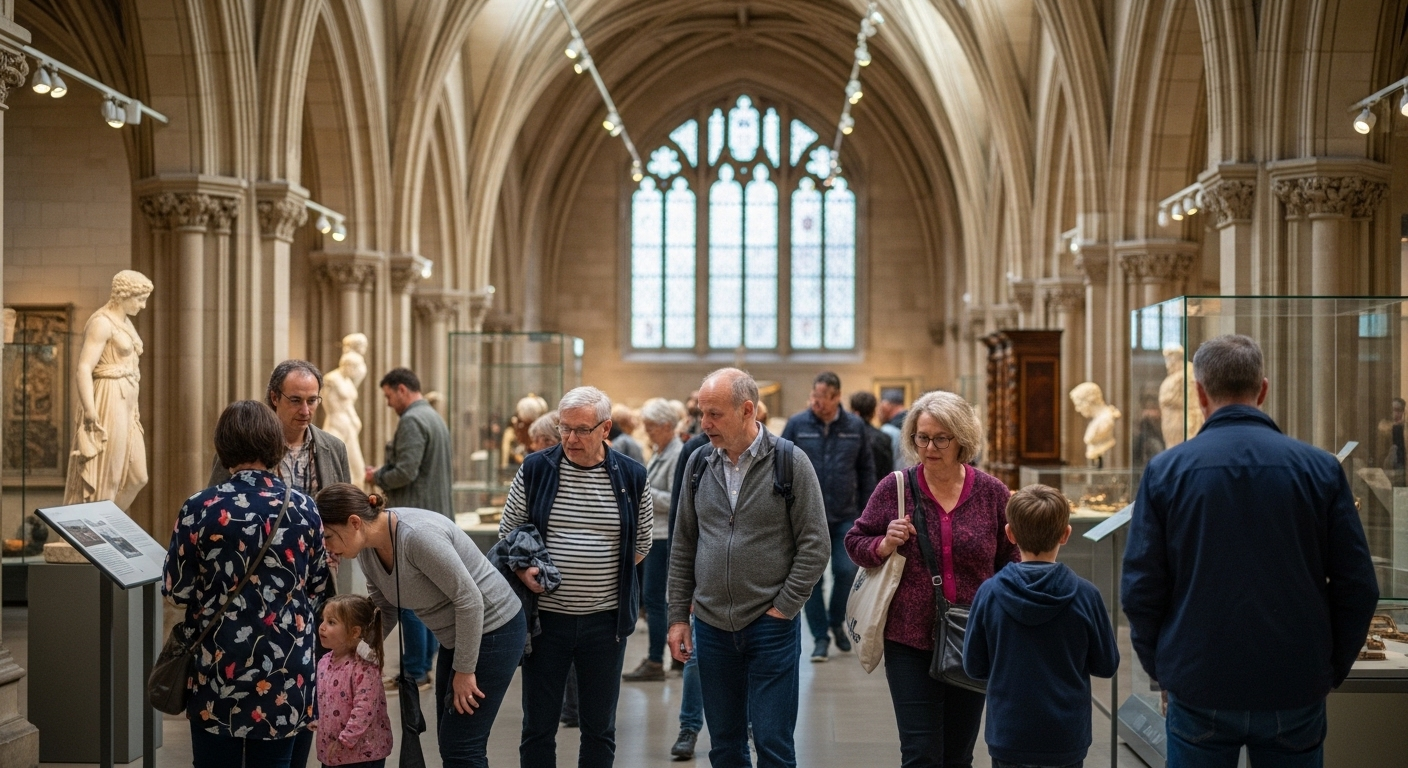
One overlooked fact: many top UK attractions are free.
Free or Low-Cost Experiences
- National museums and galleries
- Historic neighborhoods and parks
- Public landmarks and walking tours
Paid Attractions
- Castles, heritage sites, guided experiences
- Prices vary, but they can add up quickly
Planning which attractions truly matter to you helps keep the cost of travel in the UK under control without sacrificing meaning.
Daily Budget Estimates (Per Person)
These are realistic, experience-based ranges, not promises.
- Budget traveler: Lower daily spend, shared accommodation, public transport, mostly free attractions
- Mid-range traveler: Comfortable hotels, mixed dining, paid attractions
- High-comfort traveler: Central hotels, taxis, premium experiences
Your total cost of the trip to the UK depends less on how long you stay and more on how consistently you spend.
Common UK Travel Budget Mistakes
Assuming London Represents the Whole Country
London is exceptional, not typical. Many regions cost significantly less.
Booking Trains Too Late
Train prices rise sharply closer to departure.
Overpacking Paid Attractions
Trying to “see everything” often inflates costs and reduces enjoyment.
Ignoring Small Daily Expenses
Coffee, snacks, and short rides add up faster than expected.
Practical Ways to Reduce UK Travel Costs
- Travel during shoulder seasons (spring or fall)
- Book trains and major attractions early
- Use contactless payment cards on transport
- Stay flexible with accommodation locations
- Balance paid experiences with free cultural sites
These adjustments don’t reduce quality; they improve control.
Need a Car? Here CompareAn Expert Perspective on Budget Planning
-
Vacation Package Deals: Hotel, Flight, Car & Travel
-
Best Time to Buy: Booking Flights for Cheap Airfare
-
Car Hire Deals: The Ultimate 2026 Guide to Saving 50% or More
Experienced travelers approach UK budgeting as decision-based, not fixed-price.
Instead of asking, How much does a UK trip cost? They ask:
- What matters most to me?
- Where can I simplify?
- Where is spending actually worth it?
That mindset leads to fewer surprises and a calmer travel experience.
When planning a trip from the US to the UK
the “real” cost often depends on how you balance London prices with the rest of the country. Since your audience is primarily in the US, I’ve tailored these experiences to reflect common American travel styles from the budget backpacker to the “splurge-where-it-counts” traveler.
Here are three authentic-style user experiences for your blog:
1. The “Budget But Savvy” Solo Traveler
Name: Amanda J., 26 (Digital Nomad from NYC)
Duration: 10 Days (London & Edinburgh)
Total Spent (excl. flights): ~$1,150 (£880)
“I honestly thought the UK would drain my bank account, especially coming from New York, but I managed by being strategic. I spent the first 5 days in London staying in a high-end hostel in Shoreditch ($55/night). My biggest win? Free museums. I spent zero dollars visiting the British Museum and the Tate Modern. I ate ‘meal deals’ from Tesco for lunch ($5) and hit up local pubs for dinner ($18-$22 for a pie and a pint).
The real cost was the train to Edinburgh I didn’t book in advance and paid nearly $160 for a one-way ticket. Lesson learned: Book your LNER trains 8-12 weeks early! Overall, excluding my flight from JFK, I averaged about $115 a day.”
2. The “Mid-Range Comfort” Couple
Name: Mark & Elena, 40s (Austin, TX)
Duration: 14 Days (Road Trip through the Cotswolds & Wales)
Total Spent (excl. flights): ~$4,800 (£3,700)
“We wanted the ‘charming England’ experience without sleeping in dorms. We rented a small automatic car ($650 for two weeks), which was a splurge but necessary for the countryside. We stayed in B&Bs and boutique hotels averaging $200 a night.
What surprised us was the cost of gas (petrol) and parking it’s much higher than in Texas! We spent about $450 just on fuel and parking fees in historic towns. We ate at nice gastropubs most nights ($80 for two). It wasn’t ‘cheap,’ but for a two-week dream trip, $340 a day for the both of us felt fair for the level of comfort we had.”
3. The “One Standout Splurge” Family
Name: The Thompson Family (Chicago, IL)
Duration: 7 Days (London Focus)
Total Spent (excl. flights): ~$5,500 (£4,200)
“Traveling with two teens in London is pricey. We opted for a two-bedroom Airbnb in Kensington ($400/night) so we could eat breakfast at ‘home’ and save. Our biggest expenses were the ‘big’ attractions: the London Eye, Tower of London, and a West End show (Wicked) cost us nearly $900 for the four of us in just two days.
However, we saved a ton using the daily contactless cap on the Tube instead of buying individual tickets. We treated ourselves to one ‘fancy’ Afternoon Tea at the Savoy which was $400, but it was the highlight of the trip. If you’re a family of four, budget at least $700–$800 a day if you want to see the major sights and eat out for dinner.”
Comparison Table: Daily Estimates (2026)
| Travel Style | Daily Budget (Per Person) | Best Money-Saving Tip |
| Budget | $100 – $130 | Use supermarket meal deals & free museums. |
| Mid-Range | $180 – $250 | Book “Advance” train tickets 12 weeks out. |
| Luxury / Family | $350+ | Use an Oyster card/Contactless for the Tube cap. |
Final Thoughts

A trip to the UK doesn’t have to feel financially unpredictable. Once you understand the real cost drivers, flights, accommodation, transport, and daily habits,s the numbers become manageable. The goal isn’t to spend as little as possible. It’s to spend intentionally, so your budget supports the experience you actually want.
If you’re still refining your plans, learning how different choices affect your UK trip budget is the most valuable step you can take.
When travel costs are understood upfront, planning becomes calmer and more intentional. GreensPicks is built around helping travelers make informed decisions without relying on assumptions or inflated averages.
What’s your UK travel budget looking like?FAQs
How much should I budget per day for a UK trip?
Daily costs vary widely, but most travelers fall into a predictable range depending on accommodation type, transport choices, and dining habits.
Is the UK more expensive than other European countries?
Some areas, especially London, are pricier. Outside major cities, costs are often comparable to those in Western Europe.
Can I travel the UK on a budget without missing out?
Yes. Many cultural sites are free, and public transport makes affordable exploration possible.
Are trains or buses better for saving money?
Buses are cheaper; trains are faster. Booking trains early narrows the price gap.
Does traveling off-season really save money?
Yes. Accommodation and flights are often noticeably cheaper outside peak summer and holiday periods.