
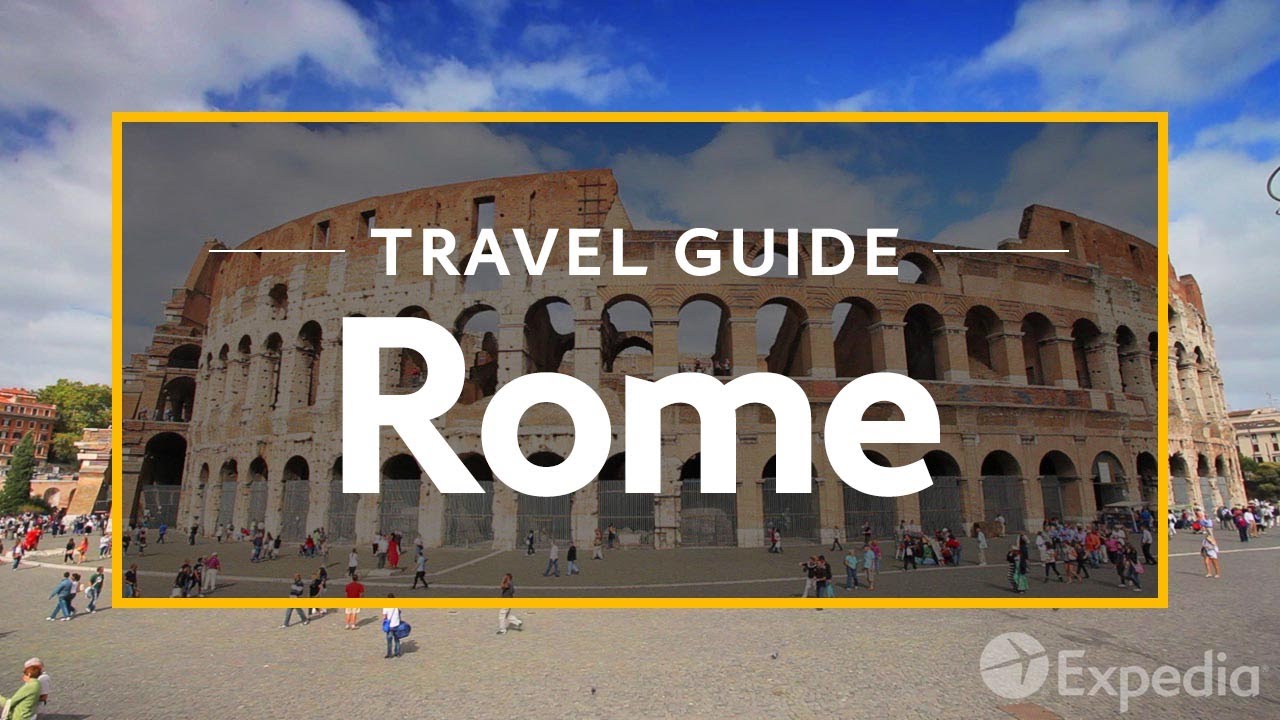
Rome – a city of staggering history and beauty. Watch the video for a first look at its best sights, then use the practical guide below to plan your own trip from the U.S.
Last updated: October 31, 2026
Rome at a glance
| Country | Italy |
| Currency | Euro (EUR) |
| Main airport | Rome Fiumicino (FCO), about 20 miles from the center |
| Best months | April–May and late September–October |
| Ideal stay | 3 to 4 days |
When to go
Spring and fall offer the best mix of pleasant temperatures and manageable crowds. July and August are hot and crowded; many Romans leave the city in mid-August. Winter is cooler and quieter, with lower hotel prices.
Getting there and getting in
- Flights: Rome Fiumicino has nonstop flights from many U.S. cities. See our guide to cheap flights to Europe from the U.S.
- Airport to city: the Leonardo Express train runs nonstop from Fiumicino to Roma Termini station in about half an hour. Taxis from the airport to the historic center charge a fixed fare.
- Do you need a car? Not in Rome itself. The historic center has limited traffic zones (ZTL) where unauthorized cars get fined automatically. A rental car is useful only for day trips; see our guide to car rental at Rome Fiumicino.
Where to stay
- Centro Storico (around the Pantheon and Piazza Navona): walk to most sights.
- Trastevere: charming streets and lively restaurants, can be noisy at night.
- Monti: close to the Colosseum, with a neighborhood feel.
- Prati: near the Vatican, calmer and often better value.
- Near Termini: convenient for trains and budget-friendly, but less charming.
Top things to do
- Colosseum, Roman Forum and Palatine Hill: book timed tickets online in advance, especially in high season.
- Vatican Museums and Sistine Chapel: book ahead; the museums are closed on most Sundays.
- St. Peter’s Basilica: free to enter, with security lines; dress codes apply (shoulders and knees covered).
- Pantheon: charges a small entrance fee.
- Trevi Fountain, Spanish Steps and Piazza Navona: visit early in the morning to avoid the crowds.
- Trastevere and the Jewish Ghetto: best for food and evening walks.
Money-saving tips
- Drink from Rome’s free public water fountains (nasoni) instead of buying bottled water.
- Many state museums have free-admission days; check the official websites for dates.
- Eat lunch where locals eat, away from the main squares, and avoid restaurants with touts outside.
- Rome charges a city tax per person per night, usually paid at the hotel.
- Watch your belongings on crowded buses, the metro and at the big sights.
Want the full budget? Read what a trip to Rome costs.
Before you go
U.S. citizens can visit Italy and the other Schengen countries without a visa for short stays. The EU’s Entry/Exit System (EES) records non-EU travelers’ entries at the border, so allow extra time on arrival. Check the U.S. State Department’s Italy page for current entry requirements.
Last reviewed: October 31, 2026. Ticket rules, fees and entry requirements can change; check official sources before booking.