
Want a trip where you can relax instead of looking over your shoulder? A good starting point is the Global Peace Index (GPI), published every year by the Institute for Economics & Peace. It ranks 163 countries on 23 indicators across three areas: societal safety and security, ongoing conflict, and militarization.
Last updated: October 31, 2026. Rankings below are from the 2026 Global Peace Index, released in June 2026.
The 10 most peaceful countries in 2026
| Rank | Country | Good to know for U.S. travelers |
|---|---|---|
| 1 | Iceland | No. 1 for the 19th year in a row; nonstop flights from many U.S. cities |
| 2 | New Zealand | Long flight, but English-speaking and great for road trips |
| 3 | Switzerland | Excellent trains, mountains and lakes; expensive |
| 4 | Slovenia | Lake Bled and Ljubljana; good value compared with its neighbors |
| 5 | Ireland | English-speaking, short flights from the East Coast |
| 6 | Austria | Vienna, Salzburg and the Alps |
| 7 | Portugal | Lisbon, Porto and the Algarve; good value for Western Europe |
| 8 | Singapore | Very safe city-state; strict laws |
| 9 | Finland | Helsinki, Lapland and the Northern Lights |
| 10 | Japan | Back in the top 10 in 2026; excellent public transport |
Seven of the ten are in Western and Central Europe, which the report names the most peaceful region in the world.
A closer look at each destination
1. Iceland
Low crime and a strong sense of community make Iceland easy to travel. The main risks are natural rather than criminal: fast-changing weather, icy roads in winter, dangerous waves on black sand beaches and volcanic activity on the Reykjanes Peninsula. Check safetravel.is and road.is daily. Plan your trip with our Iceland travel guide.
2. New Zealand
Friendly, English-speaking and built for self-drive trips, from Auckland to Queenstown and Milford Sound. Remember that traffic drives on the left, and rural roads can be narrow and winding.
3. Switzerland
Clean, orderly and easy to explore by train, even into the mountains. Safety is rarely a concern; your budget is the bigger challenge.
4. Slovenia
A small country with Alpine lakes, caves and a relaxed capital, Ljubljana. It is less crowded and often cheaper than Austria or Italy next door.
5. Ireland
No language barrier, a short flight from the East Coast and friendly towns. Driving is on the left and country roads are narrow, so take it slow.
6. Austria
Vienna’s museums and coffee houses, Salzburg’s old town and the lakes and mountains of the Alps. Public transport is excellent.
7. Portugal
Lisbon, Porto and the beaches of the Algarve offer a lot for the money by Western European standards. As in any busy city, watch out for pickpockets on trams and in crowded areas.
8. Singapore
One of the safest cities in the world, with very strict laws (including on drugs, littering and importing chewing gum). U.S. citizens need no visa for tourist stays, but must submit the free SG Arrival Card online before arrival. See our Singapore travel guide.
9. Finland
Helsinki’s design scene in summer, and Lapland’s snow, saunas and Northern Lights in winter.
10. Japan
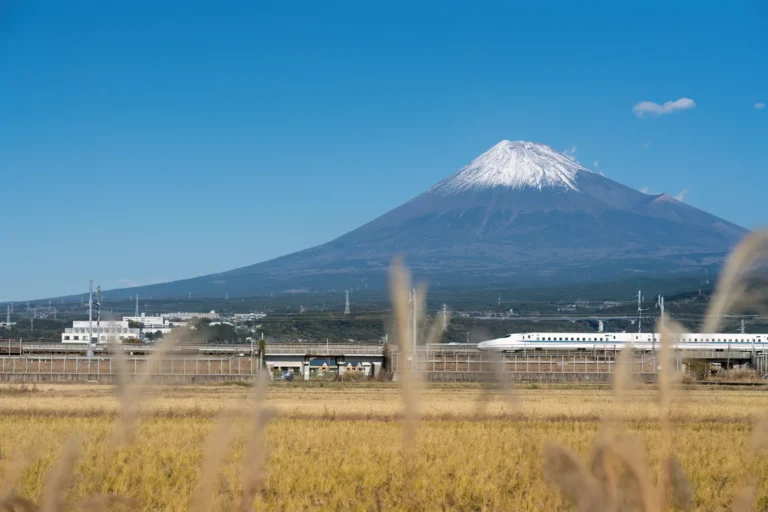
Low crime, spotless trains and a culture of order make Japan feel effortless, even on a first visit. The main risks are natural: earthquakes and typhoons, so know your hotel’s emergency information.
Peace index vs. travel advisories
The Global Peace Index measures a whole country’s peacefulness, including its military and international conflicts. It is not a travel advisory. Before you book, also check the U.S. State Department’s travel advisory for your destination. Advisories run from Level 1 (“Exercise Normal Precautions”) to Level 4 (“Do Not Travel”) and can change at short notice.
Safety habits that work everywhere
- Enroll in STEP: the State Department’s free Smart Traveler Enrollment Program sends you alerts and helps the embassy reach you in an emergency.
- Get travel insurance that includes medical care abroad and medical evacuation.
- Keep copies of your passport and important documents on your phone and in the cloud.
- Use official taxis or well-known ride-hailing apps, especially at airports and at night.
- Watch your belongings in crowded tourist spots, even in safe countries; pickpocketing is the most common problem travelers face.
- Respect nature: in places like Iceland and New Zealand, weather and terrain are the biggest risks, so check conditions and stay on marked paths.
Source: Institute for Economics & Peace, Global Peace Index 2026 (released June 2026). Last reviewed: October 31, 2026. Safety conditions can change; always check the current U.S. State Department advisory before you travel.