A trip to Europe often starts as a dream. Cobblestone streets, late dinners in small cafés, effortless train rides between historic cities. But somewhere between inspiration and booking, many travelers hit the same question and the same confusion: what does a trip to Europe really cost?
At GreenSpicks, we see this question come up again and again, often fueled by misleading averages or overly optimistic budget breakdowns. Some guides make Europe sound impossibly expensive, while others suggest you can travel endlessly on spare change. The truth lives somewhere in between, and understanding it clearly is what separates a stressful trip from a confident one.
The real cost of traveling across Europe isn’t just about flights and hotels. It’s shaped by timing, destinations, pace, and the everyday choices you make once you arrive. This guide breaks those costs down honestly and calmly, so you can plan with clarity instead of guesswork.
Lock in today’s prices before they rise!Why the Cost of a Trip to Europe Is So Hard to Predict?
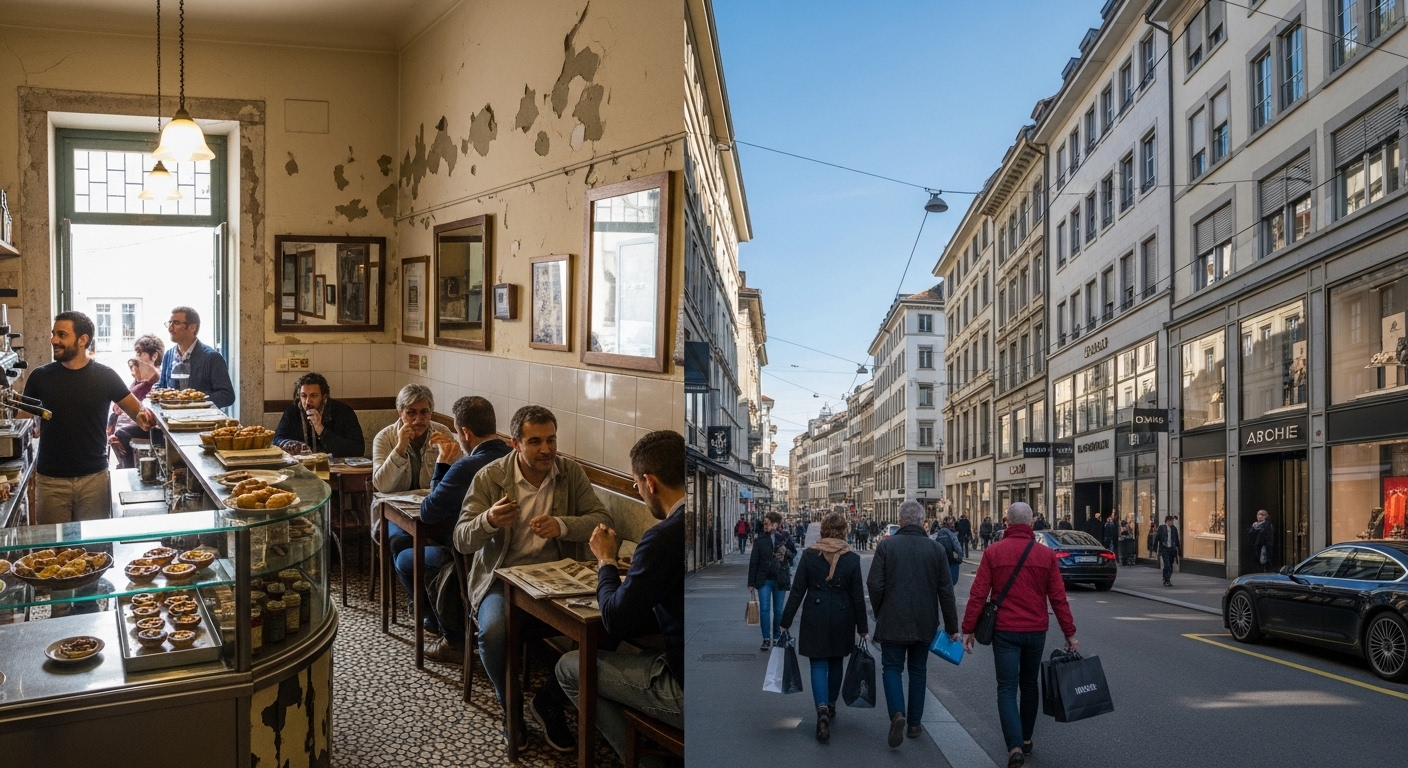
Europe isn’t one destination. It’s dozens of countries with different currencies, price levels, and travel norms. A coffee in Lisbon costs very differently from one in Zurich. A train ride in Italy doesn’t cost the same as one in the UK.
That’s why asking for the trip to Europe is a bit like asking how much it costs to eat food. The better question is: what kind of trip are you planning?
Your total cost depends on:
- Where you go (Western vs. Eastern Europe, cities vs. countryside)
- When you go (peak summer vs. shoulder season)
- How you move around (planes, trains, buses)
- How you sleep, eat, and pace yourself
Understanding these variables is more useful than chasing a single number.
For travelers trying to make sense of Europe’s wide price differences, GreenSpicks focuses on breaking down costs by region, season, and travel style to help set realistic expectations early.
Flights: The First Big Expense
For most travelers, flights are the highest upfront cost.
From North America, round-trip flights to Europe typically fall into a broad range:
- $600–$900 during shoulder seasons (spring and fall)
- $900–$1,400+ during peak summer months
Flying into major hubs, such as London, Paris, Amsterdam, and Frankfurt, usually offers better pricing. From there, budget airlines or trains can take you almost anywhere else.
Flexibility matters more than loyalty. Travelers who shift dates by even a few days often see significant savings. Multi-city arrivals and departures can also reduce backtracking costs later.
Accommodation: Where Budget and Comfort Meet
Accommodation is where expectations often collide with reality.
Europe offers everything from hostels to boutique hotels to short-term rentals. The nightly cost varies dramatically by city and season.
A rough trip to Europe average cost for accommodation per night:
- Budget options: $40–$80 per person
- Mid-range hotels or rentals: $100–$180 per room
- High-end stays: $250+ per night
Large cities drive prices up, especially in summer. Smaller towns and secondary cities often deliver better value and a calmer experience.
One common misconception is that short-term rentals are always cheaper. In many cities, cleaning fees and local taxes can push the total higher than expected, sometimes making a modest hotel the better deal.
Transportation Within Europe
Getting around Europe is efficient but not always cheap if you rush it.
Trains
Trains are comfortable, scenic, and central-to-central. Prices depend on distance, speed, and booking time.
- Short regional trips: $15–$40
- High-speed routes: $50–$150+
Booking early matters. Last-minute train tickets can rival airfare.
Budget Flights
Low-cost airlines offer tempting prices, sometimes under $50. But baggage fees, seat selection, and airport transfers add up quickly.
Buses
Long-distance buses are slower but often much cheaper. For flexible travelers, they can significantly reduce trip to Europe.
Transportation isn’t just a line item; it shapes your experience. Slower travel often saves money and reduces stress.
Transportation choices often shape both budget and experience. GreenSpicks emphasizes practical planning insights that help travelers balance cost, pace, and comfort across European routes.
Food: Daily Costs Add Up Quietly
Food expenses are where people most often underestimate their total cost for a European trip.
Daily food costs vary widely:
- Budget eating: $20–$30 per day
- Mixed dining: $35–$60 per day
- Restaurant-focused travel: $70+ per day
Many European cities make it easy to eat well without spending much. Local bakeries, markets, and casual cafés are part of daily life. Sitting down for every meal, however, pushes costs higher fast.
A small but real factor: water. In some countries, bottled water is standard at restaurants and adds up over time.
Sightseeing and Activities
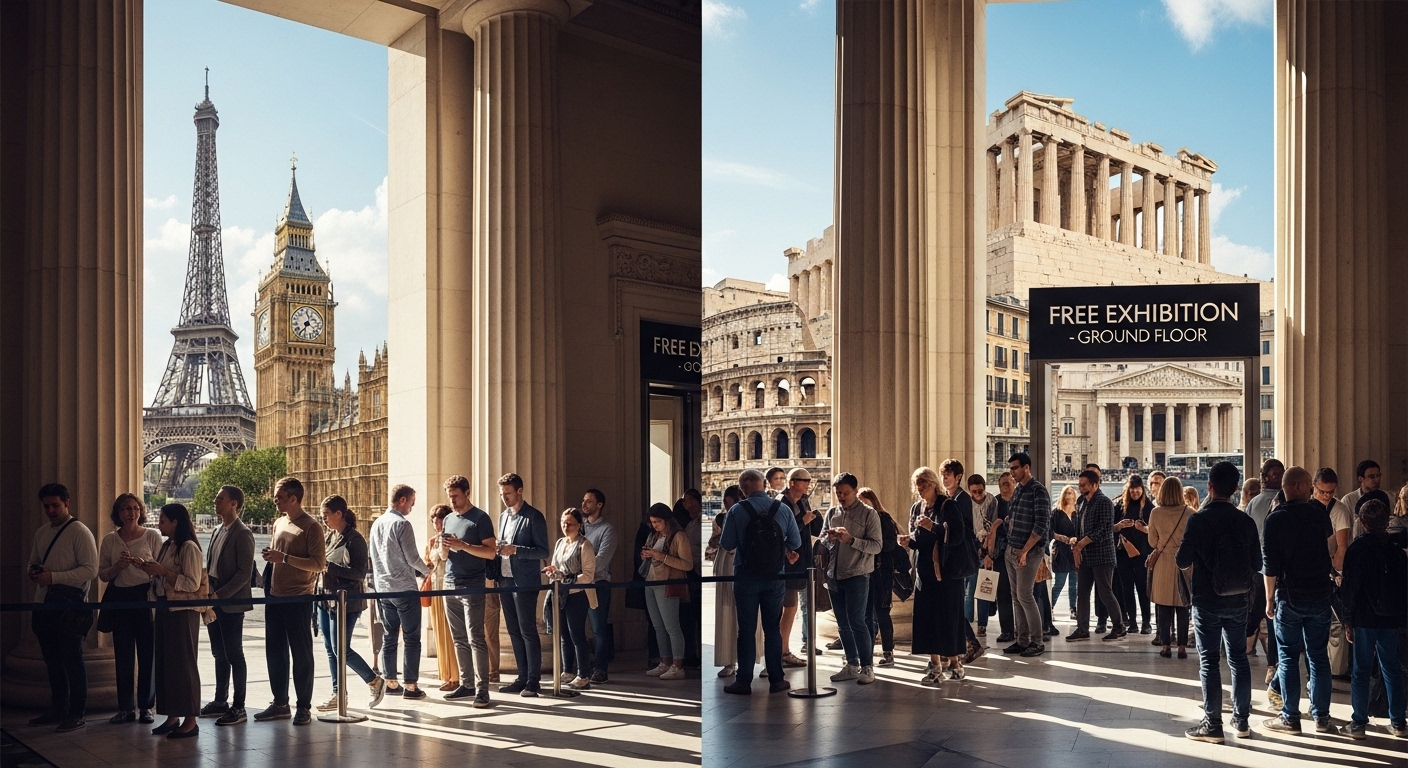
Europe’s biggest landmarks often come with entrance fees and sometimes long lines.
Typical activity costs include:
- Museums and attractions: $10–$30 each
- Guided tours: $40–$100+
- Day trips: $60–$150+
Many cities offer free walking tours, discounted museum days, or city passes, but those only save money if you actually use them.
One overlooked cost is time. Overplanning paid activities can make a trip feel rushed, which often leads to spending more on convenience later.
The Hidden Costs Most Travelers Miss
Even careful planners overlook certain expenses when estimating a trip to Europe.
Commonly missed items include:
- City taxes are charged per night at hotels
- ATM and foreign transaction fees
- Checked baggage fees on short flights
- Transit tickets within cities
- Travel insurance
Individually, these costs seem minor. Together, they can add several hundred dollars to the final total.
What Does a Trip to Europe Cost by Travel Style?
Instead of a single number, it’s more helpful to think in ranges.
Budget Traveler
- Daily cost: $80–$120
- Style: hostels, buses, and grocery meals
- Trade-off: time and comfort
Mid-Range Traveler
- Daily cost: $150–$220
- Style: comfortable hotels, trains, mixed dining
- Balance: value and experience
Comfort-Focused Traveler
- Daily cost: $250+
- Style: hotels, frequent dining out, private tours
- Priority: convenience and flexibility
Multiply your daily range by trip length, then add flights to estimate the total cost for a European trip.
Family Trip to Europe Cost: A Different Equation
A family trip to Europe costs aren’t just double or triple a solo budget; it changes the structure entirely.
Families often spend more on:
- Larger accommodations
- Direct flights
- Meals that suit varied preferences
- Convenience over flexibility
At the same time, families can save on:
- Shared lodging
- Public transport passes
- Free or discounted attractions for children
A realistic family trip to Europe often costs between $4,000 and $8,000 for one to two weeks, depending on destinations and travel style.
Planning pace matters more with kids. Fewer cities often mean lower costs and a better experience.
Family PackagesCommon Mistakes That Inflate Costs
Many travelers overspend not because Europe is expensive, but because of avoidable choices.
Common mistakes include:
- Visiting too many cities too quickly
- Booking last-minute transportation
- Staying in the most tourist-heavy neighborhoods
- Treating every meal as a sit-down event
- Ignoring local travel norms
Europe rewards slower, more intentional travel. Rushing usually costs more.
An Expert Perspective on Cost Planning
Experienced travelers don’t chase the cheapest trip; they aim for predictability.
The biggest cost overruns happen when people:
- Underestimate daily spending
- Assume prices will work themselves out.
- Rely solely on averages instead of specifics
Understanding how costs behave in different regions helps you adjust expectations before booking. That clarity is what turns a stressful budget into a manageable plan.
Master City Travel: The Ultimate Guide to Exploring the World’s Best Urban Destinations
How to Use VPNs to Find Cheaper Flight Deals – Myth vs Reality
Visa Service Fees: Passports and Travel Visas – Cost and duration travel visa service online
User Experiences
1. The “Solo Budget Backpacker”
Name: Maya S., 24 (San Francisco, CA)
Vibe: Minimalist & Public Transport Focused
Total Spend (10 Days): $1,250 (Excl. Flights)
“I spent 10 days hitting London, Manchester, and Edinburgh. Coming from San Francisco, I’m used to high prices, but London still surprised me. I saved a ton by staying in hostels ($45–$60/night) and strictly using the ‘Daily Cap’ on the Tube instead of buying individual tickets. My biggest takeaway? The ‘Meal Deal’ at Boots or Tesco is a lifesaver $5 for a sandwich, snack, and drink. I splurged about $150 on a Harry Potter Studio tour, but balanced it out by visiting all the free museums. If you’re smart and skip the fancy sit-down dinners, $120 a day is totally doable.”
2. The “Cotswolds Road-Trip Couple”
Name: David & Sarah, 30s (Austin, TX)
Vibe: Mid-range Comfort & Scenery
Total Spend (1 Week): $3,400 (Excl. Flights)
“We wanted the classic English countryside experience. We rented an automatic car (which is way more expensive than manual, so book early!) and drove through the Cotswolds. Gas (petrol) is definitely pricier than in Texas, and those narrow roads are a workout! We spent about $220/night on cozy B&Bs. Our average dinner at a local pub was $80 for two people, including a couple of pints. We didn’t skimp on experiences like Warwick Castle or the Roman Baths in Bath. It wasn’t ‘cheap,’ but for a once-in-a-lifetime anniversary trip, it felt like great value for the quality of service we received.”
3. The “Family Sightseeing Blitz”
Name: The Miller Family (Chicago, IL)
Vibe: Efficiency & Comfort for Four
Total Spend (1 Week in London): $5,800 (Excl. Flights)
“Traveling with two teenagers means everything costs more. We opted for an Airbnb in South Kensington ($450/night) so we had a kitchen to cook breakfast and save a bit. The biggest hit to our budget was the ‘Top Tier’ sights the Tower of London, the London Eye, and West End theater tickets cost us nearly $1,000 in just two days. We also underestimated how much we’d spend on Ubers when the kids were too tired for the Underground. My advice for US families: Get a family railcard if you’re leaving London, and always budget 20% more than you think for ‘incidental’ snacks and souvenirs!”
Final Thoughts

The true cost of traveling across Europe isn’t just a number; it’s the result of choices. Europe can be affordable, comfortable, or luxurious. Sometimes all three, if planned well. The key is aligning your expectations with reality and giving yourself room to travel at a human pace. When you understand where money actually goes, you stop worrying about overspending and start focusing on the experience itself.
If you want to explore Europe thoughtfully and sustainably, learning how costs connect to travel decisions is the first step.
Travel budgets feel less stressful when costs are understood upfront. GreenSpicks is built around helping travelers plan thoughtfully, without relying on inflated averages or unrealistic assumptions.
UK Trip Cost CalculatorFAQs
How much does a trip to Europe usually cost?
It depends on travel style, destinations, and timing. Most travelers spend between $150 and $220 per day, excluding flights.
Is Europe more expensive than other regions?
Some countries are, others aren’t. Costs vary widely across Europe, often more than between continents.
What’s the biggest expense on a European trip?
Flights and accommodation usually take the largest share of the budget.
Can you travel Europe cheaply without sacrificing quality?
Yes, by traveling slower, choosing the right cities, and mixing budget and comfort options.
How much should I budget for unexpected costs?
A buffer of 10–15% of your planned budget is a safe rule of thumb.