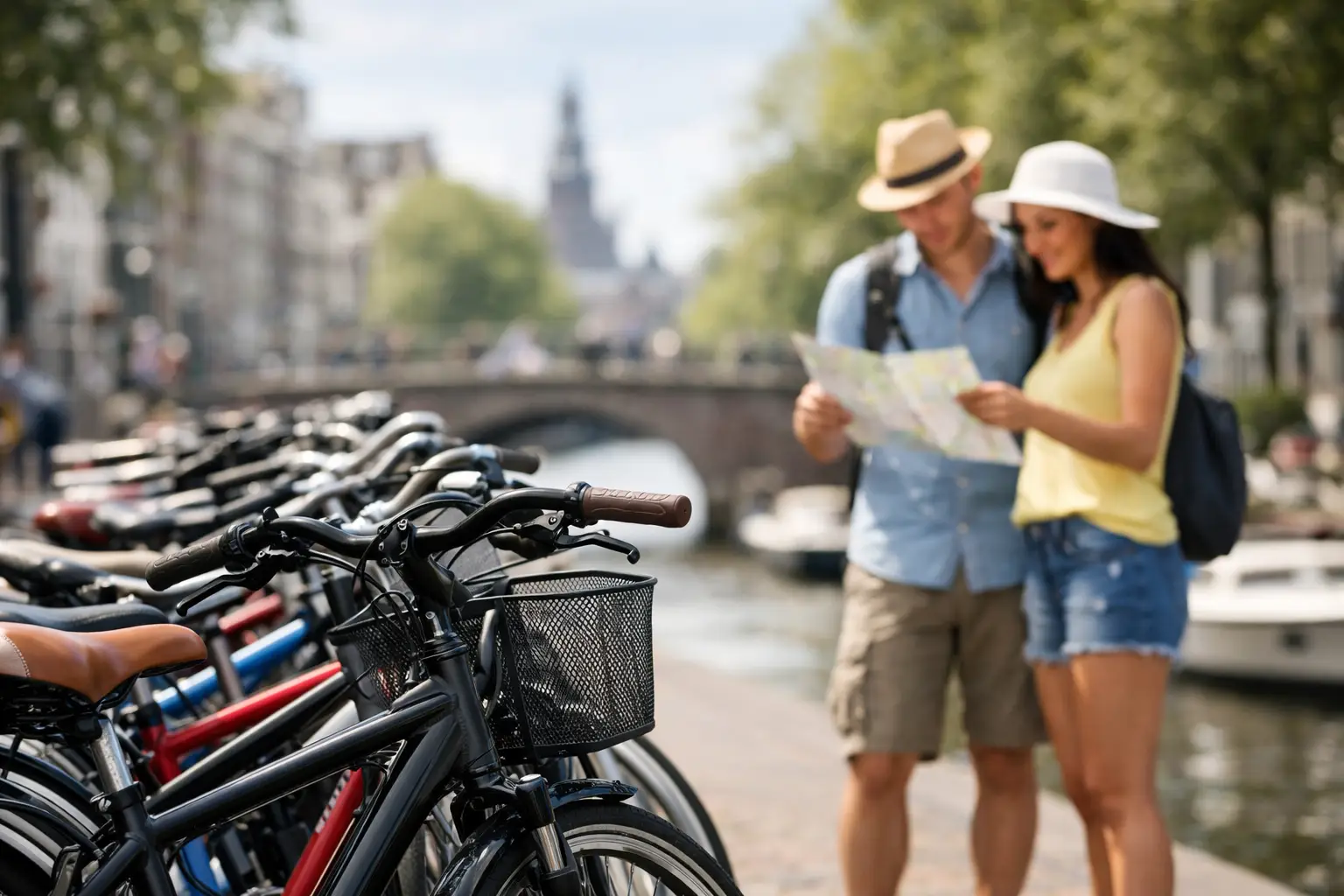
You spot a rental sign near the train station, ask for a bike, and the day-rate sounds fine – until the lock fee, helmet charge, deposit hold, and late-return rule show up. That is why finding real bike rental deals for tourists is less about grabbing the first low number you see and more about comparing the full offer before you book.
If you are planning to ride through a city, a beach town, or a scenic trail area, a good rental can save money and make local travel easier. A bad one can eat your budget fast. The difference usually comes down to timing, bike type, booking terms, and whether you compare offers side by side instead of relying on one storefront.
How bike rental deals for tourists actually work
Most tourists assume bike pricing is simple. It rarely is. Providers may advertise an hourly rate, a day pass, or a discounted multi-day rental, but the cheapest headline price is not always the best value.
A two-hour rental can look affordable if you only want a quick ride along the waterfront. But if you keep the bike through lunch, stop for photos, or get delayed by weather, that low hourly deal can end up costing more than a full-day rental. The best offer depends on how you actually travel, not on the number printed biggest on the sign.
You also need to watch the bike category. Standard city bikes are usually the most affordable. E-bikes cost more, but they may be worth it in hilly destinations, larger cities, or if you want to cover more ground without arriving sweaty and tired. Tandems, kids’ bikes, cargo bikes, and premium road bikes often come with a much steeper jump in price.
That is where comparison helps. Instead of checking one rental desk at a time, you can use a comparison platform like GreenSpicks to scan current offers from different providers and focus on the total value, not just the teaser price.
What makes a rental deal good, not just cheap
A genuinely good deal gives you the bike you need for the time you need it, with terms that make sense for the way you travel. Sometimes the better deal is not the absolute lowest price.
For example, a shop that includes a helmet, lock, basket, and basic damage coverage may beat a lower-priced shop that adds each item separately. The same goes for pickup location. A bike that is available near your hotel or train station may save enough time and transport cost to justify paying a little more.
Cancellation terms matter too. Tourists often plan around weather, changing arrival times, and busy sightseeing days. If one deal is slightly higher but lets you cancel or modify more easily, that flexibility can be worth the difference.
Look at the total rental picture
Before you book, check the rental period, included gear, deposit rules, return deadline, and any age or ID requirements. Some providers are built for locals on quick errands. Others are clearly set up for travelers who need straightforward pickup, simple terms, and support if something goes wrong.
A solid deal should feel easy to understand. If pricing is vague, fees are buried, or the policy reads like a trap, move on.
When tourists usually get the best savings
Timing changes bike rental pricing more than many travelers expect. In high-demand destinations, weekends, holiday periods, and sunny peak-season dates can push rates up or limit bike availability. Booking early often helps, especially if you need more than one bike or want a specific type such as an e-bike or child seat setup.
At the same time, there are destinations where walk-up deals can appear late in the day or during shoulder season. If demand is soft, local operators may offer lower rates for half-day use just to keep inventory moving. This can work well if your plans are flexible, but it is less reliable in popular tourist zones.
If your trip is built around biking, waiting is risky. If biking is just one possible activity, flexibility can sometimes pay off. It depends on the destination, the season, and how specific your needs are.
User Experience: what travelers usually get right and wrong
One common tourist mistake is renting based on convenience alone. A shop right outside a landmark feels easy, but those locations often charge a premium because they know demand is impulsive.
Travelers who tend to get better value usually do three things first. They compare providers, check what is included, and match the rental length to their actual day plan. That sounds basic, but it is where most savings happen.
A typical good experience looks like this: you book a day-rate city bike online, pick it up near your hotel, get the lock and helmet included, and return it within a clear time window. Nothing is confusing, and the bike suits the route.
A typical bad experience looks different. You rent by the hour for what seems like a short outing, realize the route is longer than expected, stop for lunch, and come back late. Suddenly the cheap rental is no longer cheap.
Families have another layer to think about. The lowest-cost provider may not have kids’ helmets, child seats, or enough bikes available together. For couples and solo travelers, the biggest issue is often comfort. A basic bike is fine for a flat boardwalk, but not always for a full day crossing bridges, hills, or rougher streets.
How to compare bike rental deals without wasting time
If you want to move fast, compare the offers in this order: bike type, rental length, included extras, pickup area, and cancellation terms. Price should still matter, but only after those basics line up.
This is especially useful in cities where offers vary widely between independent shops, mobility networks, and tourist-oriented operators. Two rentals can look almost identical at first glance and end up very different once fees and conditions are clear.
Standard bikes vs e-bikes for tourists
For short urban rides, standard bikes are often the best-value option. They are cheaper, widely available, and practical for sightseeing in compact city centers.
E-bikes make more sense if your destination is spread out, hilly, or hot. They cost more upfront, but they can reduce the need for taxis or public transit during the day. For some travelers, that turns a pricier rental into the more efficient overall choice.
Hourly, daily, or multi-day deals
Hourly rentals work best for quick loops, beach promenades, or short scenic routes. Daily rentals are usually the sweet spot for tourists who want freedom without watching the clock. Multi-day deals can offer the strongest savings per day, but only if you truly plan to ride each day.
If your itinerary includes museums, long meals, or day trips outside the city, a multi-day rental may not pay off. The math only works when the bike is part of how you get around, not just a one-time activity.
Expert Warnings before you book
Do not assume every provider includes the basics. Locks, helmets, lights, baskets, and phone mounts are often treated as add-ons.
Do not ignore deposit terms. Some operators place a card hold that can tie up more money than expected during your trip.
Do not book the wrong bike for the terrain. A cheap standard bike can feel miserable on steep routes or long-distance rides.
Do not underestimate return rules. Some providers charge sharply for late returns, even if you miss the deadline by a short margin.
And do not skip a quick inspection. Check brakes, tires, gears, seat adjustment, and lights before leaving. A few minutes at pickup can save a ruined afternoon.
Where comparison tools make the biggest difference
Comparison matters most in destinations with many providers and uneven pricing. Tourist hotspots often have a mix of local shops, hotel-based rentals, bike-share systems, and specialty operators. Without a comparison step, you are left guessing whether the first offer is fair.
Using one search to review current options saves time and helps you spot the real differences faster. That is especially helpful if you are booking for a family group, planning multiple travel services at once, or trying to keep your transport budget under control.
Ready to compare current offers?
Check bike rental options on https://greenspicks.com/ and compare available deals before you book.
Want more flexibility on your trip?
Search by location, rental type, and timing so you can pick the offer that fits your day, not just the lowest starting price.
FAQs
Are bike rental deals for tourists cheaper online or in person?
Often online, especially when providers offer advance rates or limited-time discounts. But in some off-peak destinations, same-day local offers can compete. The safer move is to compare first.
Is an e-bike worth the extra cost for sightseeing?
Usually yes if the city is hilly, spread out, or hot. If you are staying in a flat, compact area, a standard city bike is often enough.
What is usually included in a tourist bike rental?
It varies. Some rentals include a lock and helmet, while others charge extra. Always confirm what comes with the bike.
Should tourists choose hourly or daily bike rentals?
Daily rentals are often better value if you plan to make several stops. Hourly rentals only make sense for short, tightly planned rides.
What is the biggest mistake tourists make when renting bikes?
Booking based on the lowest advertised price without checking fees, included gear, terrain suitability, and return rules.
Compare your options before you commit
A few extra minutes spent comparing can save money and prevent the usual rental surprises.
Find a bike that fits the trip
Choose based on route, comfort, and timing, then let price decide between the offers that actually work.
The best bike rental deal is the one that still looks good after you factor in time, extras, comfort, and terms. If you compare with that mindset, you are much less likely to overpay – and much more likely to enjoy the ride.