

Disclosure: This article contains affiliate links. If you book through them, we may earn a small commission at no extra cost to you. Chase is not a partner of Greenspicks. This guide repeats Chase’s published terms and is not insurance advice.
The rental counter is a bad place to read insurance terms. An agent asks whether you want the damage waiver, a line forms behind you, and you have about ten seconds to remember what your credit card actually covers. If you hold the Chase Sapphire Preferred, the answer is written down in one document: the card’s Guide to Benefits.
This guide reports what the version in effect as of June 14, 2026, says, including the gaps summaries tend to skip. Confirm the details with the benefit administrator at 1-800-350-1362 before you book.
The terms
What Does Chase Sapphire Preferred Rental Car Insurance Cover?
It covers the rental car itself. The benefit reimburses theft of the car and collision damage to it, plus a short list of related charges. Here are the main terms as Chase states them.
| Term | What the guide says |
|---|---|
| Maximum reimbursement | Up to $60,000 for theft or collision damage |
| Order of payment | Primary inside and outside the US (New York residents: see below) |
| Rental length | Up to 31 consecutive days |
| Who is covered | You as the primary renter, plus additional drivers the rental agreement permits |
| Costs included | Theft, damage, valid loss-of-use charges, administrative fees, reasonable towing to the nearest qualified repair facility |
| Where | Worldwide |
| How you pay | Covered card and/or redeemable Rewards for the entire rental |
Source: Chase Sapphire Preferred Guide to Benefits, in effect as of 06/14/26, checked November 3, 2026.
“Primary” matters more than the dollar limit for many renters. The NAIC, the US association of state insurance regulators, says that in most cases credit card rental benefits are secondary, meaning they pay only after other insurance. Chase’s guide says the Sapphire Preferred benefit is primary, so the first claim goes to the card’s benefit rather than your own auto insurer. The insurer behind it is Virginia Surety Company, an Assurant company, which is who you will be dealing with on a claim.
The guide’s auto rental wording matches the earlier version in effect from October 1, 2024, so the $60,000 limit and the 31-day rule did not change in the June 2026 version of the guide.
Exclusions
What Isn’t Covered?
- Liability. Chase states that in a collision, damage to another driver’s car, injury to anyone, and damage to anything else are not covered. Personal liability is on the exclusion list too.
- Your belongings. Loss or theft of personal items is excluded.
- Diminished value. Depreciation of the car caused by the incident is excluded.
- Off-road damage. Damage from off-road use is excluded, and so is any violation of the rental agreement. Check the agreement’s rules on unpaved roads.
- Carelessness. Theft or damage from a lack of reasonable care is excluded. Chase’s own example is leaving the car running and unattended.
Vehicles and rentals that do not qualify
- Exotic cars and any vehicle with an MSRP above $125,000. Chase names Aston Martin, Bentley, Bugatti, Ferrari, Koenigsegg, Lamborghini, Lotus, Maybach, McLaren, Pagani and Rolls Royce, and says the list is not complete.
- Antique cars: over 20 years old, or not manufactured for 10 years or more.
- Cargo vans, trucks other than pick-ups, motorcycles, mopeds, motorbikes, limousines, vehicles rented with a driver and recreational vehicles.
- Passenger vans seating more than 12 people, including the driver.
- Rentals over 31 days, including rentals intended to exceed that length, plus leases and mini leases.
- Peer-to-peer car sharing, where individuals rent out their own vehicle. The car must come from a licensed commercial rental agency.
One claim you may see online is that Teslas are excluded by name. Tesla does not appear in the June 2026 guide’s list of exotic brands, but that list is not exhaustive. If you are unsure about a specific model, call the number above before you sign the agreement. For bookings inside the 31-day limit, see our weekly car rental deals guide.
How-to
How Do You Use the Coverage at the Rental Counter?
Chase sets out three requirements, and the guide adds one check before you leave the lot.
- Pay for the whole rental with the card or Rewards. The covered card and/or redeemable Rewards must start and complete the entire rental transaction.
- Read the agreement and decline the CDW/LDW. Accepting the rental company’s collision damage waiver or loss damage waiver cancels this benefit. Watch for packages that bundle the waiver with other products.
- Ask about a letter of coverage if you travel abroad. Some countries or rental agencies require one. You can request it at chasecardbenefits.com or by calling 1-800-350-1362.
- Inspect the car before you drive off. The guide tells you to check for prior damage and point out anything you find to the rental agency.
What about booking through a comparison site? The guide does not address that case separately. Its test is that the card or Rewards pay for the entire rental transaction, and that the car comes from a licensed rental agency. So if part of the price is prepaid online and the rest is charged at pickup, the wording points to using the same card for both. It is also silent on protection plans sold by comparison sites, so ask the benefit administrator if you plan to add one.
Claims
How Do You File a Claim?
Two deadlines apply, and the first runs even if your paperwork is not ready.
- Report the incident within 100 days. Use chasecardbenefits.com or call 1-800-350-1362 as soon as reasonably possible, and no later than 100 days after the incident, even if not all documents are available. Telling anyone else does not count.
- Answer the administrator’s questions. You will be told which documents are needed for your case.
- Send your documents within 365 days of the damage or theft, or as soon as reasonably possible.
Expect to send the accident report, both rental agreements, the repair estimate and itemized bill, photos, any police report, the demand letter and a card statement showing the rental payment.
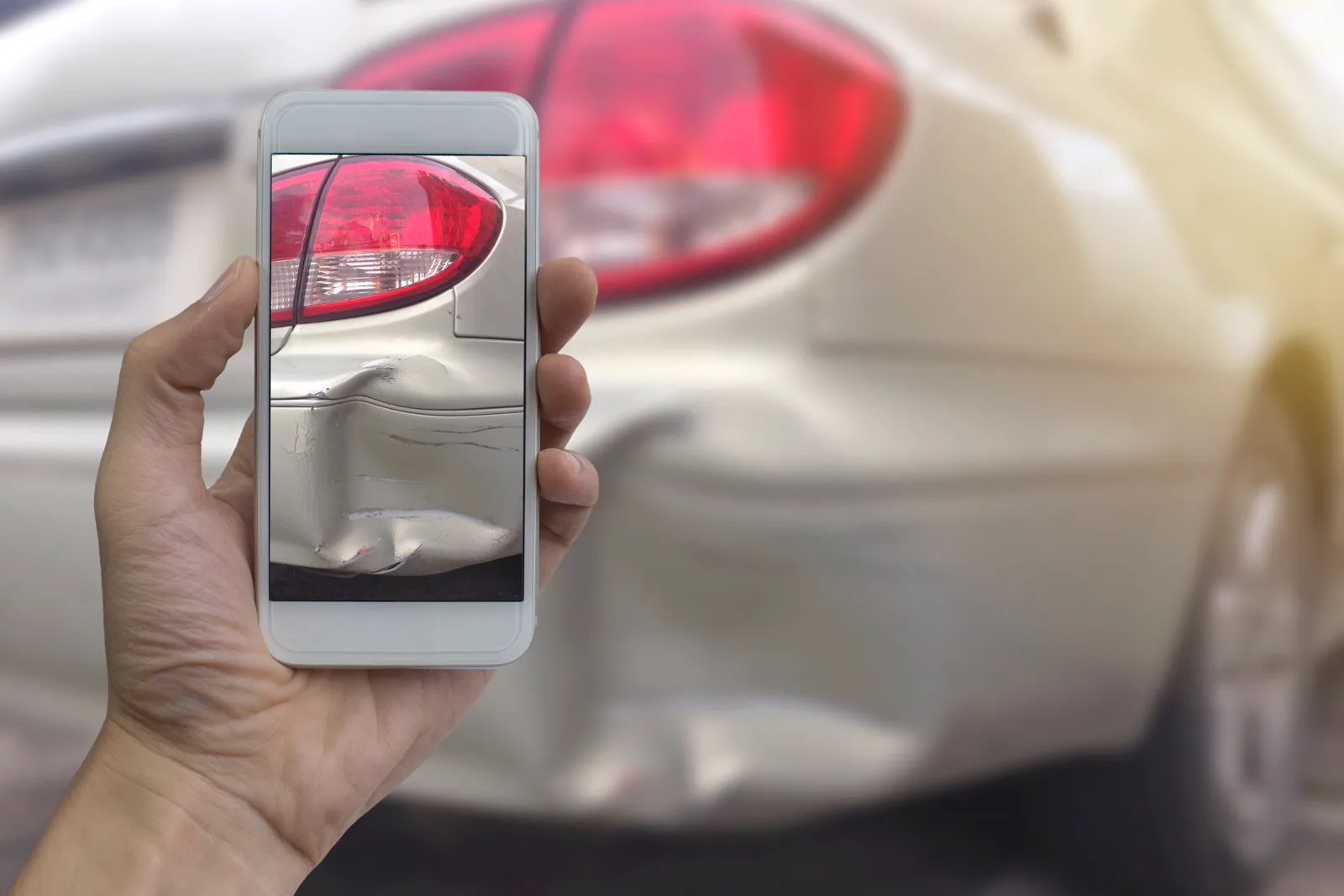
Chase’s document list asks for two photographs of the damaged rental car, if available, so take them before the car goes back.
Compare
How Does It Compare With the Waiver at the Counter?
The NAIC says a rental company’s CDW can cost an extra $10 to $20 a day. Prices vary by company, location and car, and some run higher: Consumer Reports found a Hertz policy at an additional $45 per day in July 2024.
Our arithmetic from the NAIC’s auto insurance page ($10 to $20 a day), checked November 3, 2026. Your quote may differ. Compare it with your own rental agreement.
The Sapphire Reserve carries the same structure with a higher limit. Its guide, in effect as of June 11, 2026, sets $75,000 and the same 31-day limit. That guide’s vehicle list does not include the $125,000 MSRP cap found in the Preferred guide.
- Limit
- $60,000
- Cost
- $95 annual fee
- Liability
- Not covered
- Limit
- $75,000
- Cost
- $795 annual fee
- Liability
- Not covered
- Limit
- Per contract
- Cost
- $10–$20 a day
- Liability
- Sold separately
Sources: Chase Sapphire Preferred and Sapphire Reserve card pages and Guides to Benefits; NAIC. Checked November 3, 2026.
The waiver has conditions as well. The Insurance Information Institute (Triple-I) notes that a loss damage waiver may become void if an accident involved speeding, unpaved roads or an intoxicated driver, so read that contract too.
Video
Video: What Rental Car Coverage Means in Practice
This Consumer Reports segment, aired on FOX5 Las Vegas, shows Consumer Reports’ Lisa Gill explaining collision damage waivers, loss damage waivers and liability coverage, then putting three questions on screen: is the rental fancier than your car, are you renting abroad, and are you renting an RV, cargo van or moving truck. It is general advice and not specific to Chase.
Video: FOX5 Las Vegas, “Consumer Reports: Do You Need Rental Car Insurance?,” via YouTube (August 2024). Not affiliated with Greenspicks.
Special cases
New York Residents and Rentals Abroad
Coverage is listed as worldwide, but local law still applies to liability. The US State Department’s Mexico travel advisory says Mexican car insurance is required for all vehicles, and the Chase benefit does not provide liability. Check the rules for your destination before you decline anything at the desk.

A road trip near the Rio-Antirrio Bridge in Greece. Some countries or rental agencies ask for a letter of coverage, so request one before you travel.
Save more
Ways to Keep the Whole Rental Cheaper
- Compare the total price. A low daily rate can hide airport fees, as our Phoenix car rental guide shows with real numbers.
- Know the age rules. The Chase benefit pays for theft and damage, not young renter fees. See cheap rental cars under 25 for what those fees cost.
- Check one-way charges. Our one-way car rental guide covers drop-off fees before you commit to a route.
- Look at the wider trip. For more ideas, read our car hire deals guide and our travel insurance page.
FAQ
FAQ: Chase Sapphire Preferred Car Rental Insurance
Is Chase Sapphire Preferred rental car insurance primary?
Yes, inside and outside the US, according to the Guide to Benefits in effect as of June 14, 2026. The exceptions are New York residents with personal auto insurance, whose coverage inside the US is excess, and rentals abroad where the agency will not let you decline its CDW/LDW.
How much does the card cover?
Up to $60,000 for theft or collision damage to the rental car. That includes valid loss-of-use charges, administrative fees and reasonable towing to the nearest qualified repair facility.
Do I have to decline the rental company’s insurance?
You have to decline its CDW or LDW, because accepting it cancels the Chase benefit. Liability products are a separate question, since the card does not cover liability.
Does it cover liability or injuries?
No. Chase states that damage to any other driver’s car, the injury of anyone and damage to anything else are not covered. Personal liability is excluded as well.
How long do I have to file a claim?
Report the incident as soon as reasonably possible and no later than 100 days after it happened, at chasecardbenefits.com or 1-800-350-1362. Requested documents are due within 365 days of the damage or theft, or as soon as reasonably possible.
Terms and prices in this guide were checked on November 3, 2026, from Chase’s Guides to Benefits for Sapphire Preferred (in effect as of 06/14/26) and Sapphire Reserve (in effect as of 06/11/26), Chase’s card pages, the NAIC, the Insurance Information Institute, the US State Department and Consumer Reports (July 2024). Benefits and prices can change, so check the current terms with the provider before you book. How we check prices.