
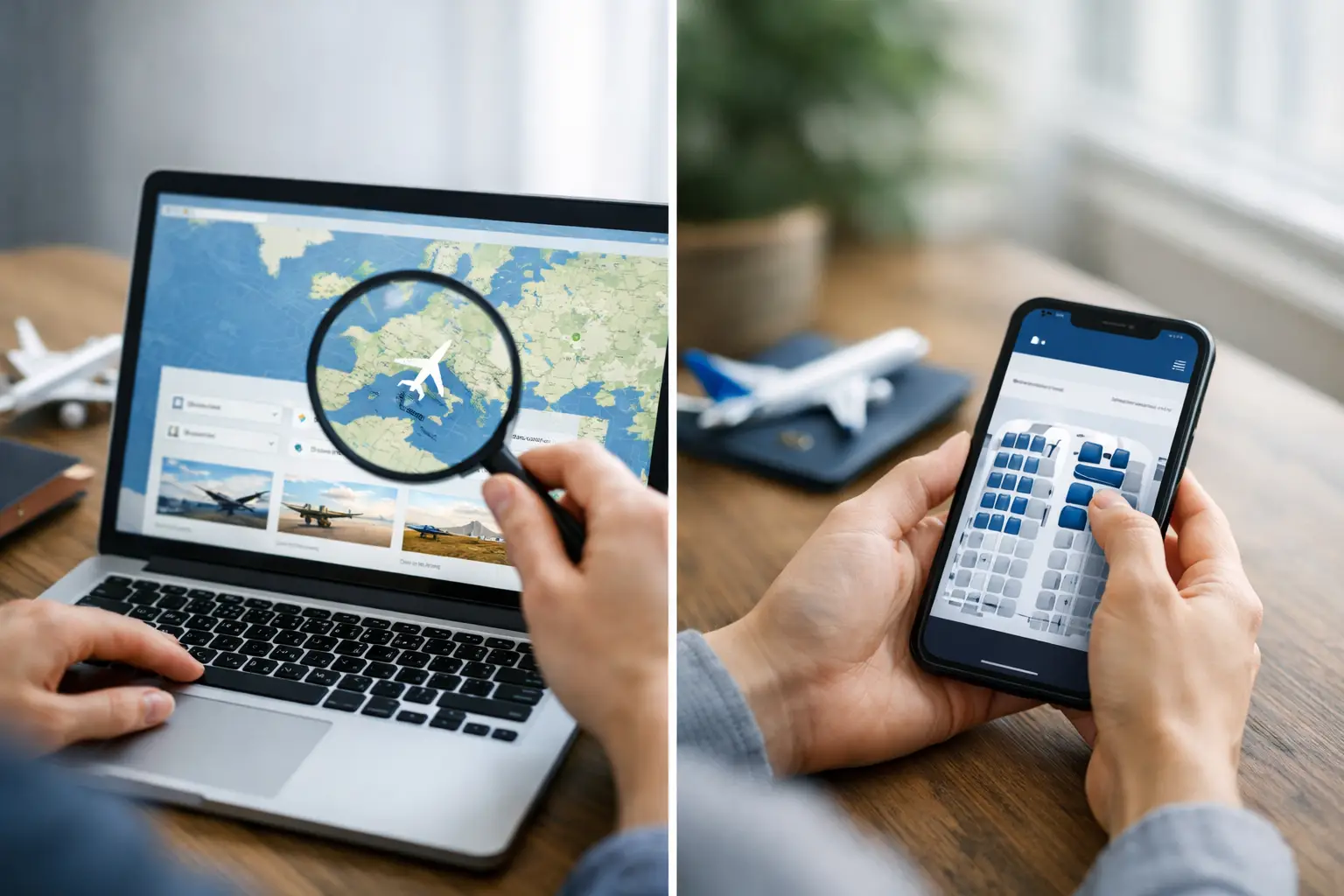
You find a fare for $287 on one site, then see $341 on the airline’s page for what looks like the same trip. That gap is exactly why flight search vs airline booking matters. One helps you compare the market fast. The other is where the final rules, fees, and support can make or break the trip.
If you book flights more than once a year, this choice affects more than price. It shapes how much visibility you get before checkout, how easy changes are later, and whether you feel confident that you actually found the best option instead of the first decent one.
What flight search actually does
Flight search is built for comparison. It pulls fares, schedules, and route options from multiple providers so you can scan the market without opening ten tabs and trying to remember which fare included a carry-on.
That broad view is the real advantage. You can compare airlines, nearby airports, layover lengths, and sometimes even different booking providers for the same flight. For price-conscious travelers, that saves time and often surfaces combinations you would never find by checking one airline at a time.
A metasearch platform is not usually the final seller. It helps you discover options, compare prices, and then redirects you to a partner or provider to complete the purchase. That booking-neutral setup matters because the goal is visibility first, not steering you into one inventory source.
What airline booking actually does
Airline booking is the final transaction with the carrier. You choose the flight on the airline’s own website or app, enter traveler details, add bags or seats, and pay the airline directly.
That direct relationship can be useful after purchase. If the flight changes, the airline controls the ticket and customer service process. When weather disruptions hit or you need to switch flights, direct bookings can be simpler to manage because there is no extra seller in the middle.
Still, airline websites have a blind spot by design. They only show their own fares and partners they choose to display. If you start there, you might get a perfectly fine ticket, but you are not really comparing the market.
Flight search vs airline booking: the real difference
The easiest way to think about flight search vs airline booking is this: search is for discovery, booking is for completion.
Search answers, “What are my options?” Booking answers, “Who am I buying from, under what rules?” Travelers get into trouble when they treat those as the same step. They are connected, but they solve different problems.
A good flight search experience helps you narrow down the best route, timing, and price. A good airline booking experience helps you verify fare conditions, add extras clearly, and manage the reservation later. Smart travelers usually use both, just not in the same way.
When flight search is the better starting point
If your dates are flexible, your trip is not straightforward, or you simply care about not overpaying, search should come first. This is especially true for family trips, multi-city travel, and peak-season vacations where prices can vary wildly across airlines and departure times.
Search also gives you context. Maybe the nonstop is only $40 more than a six-hour layover. Maybe flying Tuesday instead of Wednesday saves enough to cover checked bags. Maybe one airport looks cheaper until transfer costs erase the difference. You cannot see those trade-offs clearly on a single airline site.
For deal-seekers, the value is speed. A comparison platform lets you check multiple providers in one place and move on once you know what the market looks like.
When booking directly with the airline makes more sense
Sometimes the airline website is the right finish line. If the direct fare matches the best price you found elsewhere, booking with the carrier can offer extra peace of mind. That matters for travelers with tight schedules, complicated connections, or a high chance of needing changes.
Direct booking can also be the better call when elite benefits, loyalty earnings, upgrade eligibility, or same-day change options matter to you. Not every fare shown through search channels is identical once baggage rules, seat selection, and flexibility are fully spelled out.
There is also a practical reason. During irregular operations, airlines generally prioritize helping their direct customers inside their own systems. That does not mean third-party bookings are always a problem. It means direct bookings can be easier to service when plans go sideways.
The price question most travelers care about
People often assume the airline website must have the lowest fare. Sometimes it does. Sometimes it does not. Airlines may offer direct-only promotions, but search tools can reveal competing providers, alternate routings, and fare combinations that reduce the total cost.
The more important question is not just base fare. It is total trip cost. A cheaper ticket with no carry-on, no seat selection, and a punishing change fee may end up costing more than a slightly higher fare booked direct.
This is where comparison becomes useful. You are not simply hunting the lowest number on the screen. You are trying to spot the best value for your actual trip.
User Experience
For most travelers, the smoothest experience starts with comparison and ends with verification. You search first to understand price ranges, route choices, and timing. Then you check the final booking path carefully before payment.
That approach feels faster because it removes guesswork early. Instead of bouncing between airline tabs and trying to remember whether the overnight layover was in Dallas or Denver, you see the market in one view. Once you have a strong candidate, you can confirm baggage, seat rules, and cancellation terms before buying.
If you like efficient trip planning, this is where a metasearch platform earns its keep. It helps you discover and compare without locking you into one seller too early. For travelers who want better visibility and fewer pricing surprises, that is usually the smarter workflow.
Where travelers get confused
A lot of confusion comes from assuming every fare is equivalent. Two tickets on the same flight may come with different change rules, refund conditions, and included extras depending on where and how they are sold.
Another common issue is focusing only on the first price shown. Taxes, baggage, seat fees, and basic economy restrictions can change the equation fast. If you are traveling with kids, carrying more than a backpack, or trying to avoid middle seats on a long flight, those details matter.
Then there is support. When you book direct, the airline usually owns the whole service path. When you book through another provider, support may depend on that seller’s processes. Neither route is automatically wrong. It just means you should know who will help if plans change.
Expert Warnings
The cheapest fare is not always the best booking. If a deal looks unusually low, pause and check what is included. Basic economy can be fine for a short solo trip, but it can be a bad fit if you need flexibility, checked bags, or guaranteed seating together.
Be careful with self-transfer itineraries and very short layovers. Search tools can surface creative combinations that save money, but they may increase risk if delays happen. Saving $60 is less appealing when a missed connection turns into an overnight hotel bill.
Also watch for airport switches in the same city. A bargain fare can become inconvenient fast if you land at one airport and depart from another without enough transfer time.
So which one should you trust?
Trust flight search for breadth. Trust airline booking for final control. Those are not competing truths. They are complementary.
If you start with the airline, you get certainty about that one carrier’s offer but limited market visibility. If you start with search, you get broader options and better pricing context, then decide where the final booking makes the most sense.
That is usually the balanced move for real-world travelers. Compare first. Confirm second. Book where the total value, rules, and confidence level line up.
FAQ
Is it cheaper to book through flight search or directly with the airline?
It depends on the route, dates, and fare type. Search often helps you find lower options faster, but the airline may match or beat the price on some flights.
Are flights on search platforms real-time?
Usually yes, but prices can change quickly between search and checkout. That is normal in airfare, especially on popular routes.
Is booking direct safer?
Direct booking can be simpler if you need changes or support later. That said, many travelers use comparison tools successfully to find deals and then choose the booking path that suits them.
Why does the same flight show different prices?
Different sellers may have different fare classes, inventory access, or included extras. The flight may be the same while the ticket conditions are not.
Should I always check the airline website before paying?
If you want an extra layer of confidence, yes. A quick check can help you compare total cost and confirm whether booking direct offers a better overall deal.
Are basic economy fares worth it?
They can be, if you are traveling light and your plans are firm. They are less appealing if you need flexibility, bags, or seat selection.
What is the smartest booking workflow?
Start with search to compare prices and options across the market. Then verify the final fare details and book where the value and support setup make the most sense for your trip.
The smartest travelers do not pick sides in flight search vs airline booking. They use each one for what it does best, and that is how you save money without creating headaches later.