
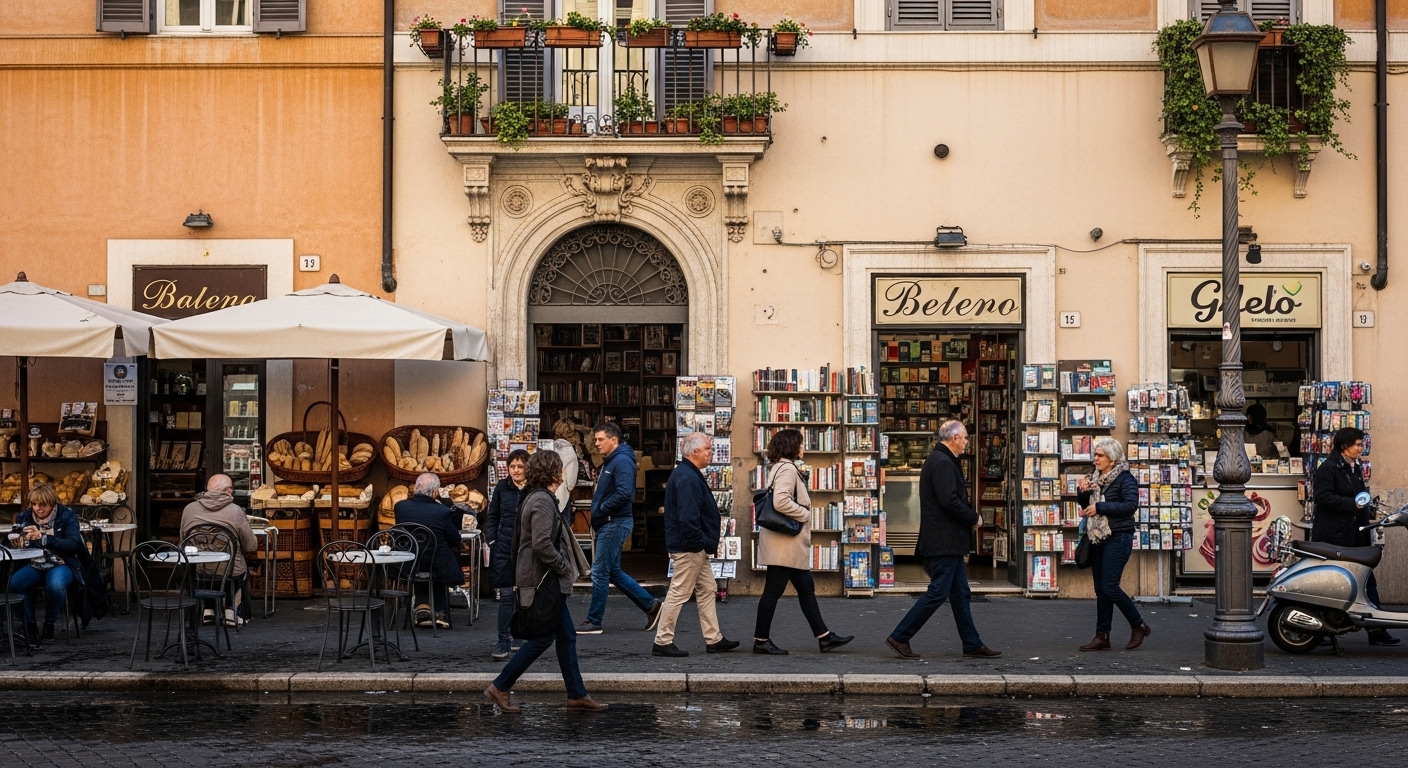
Planning a trip to Rome often starts with excitement, ancient history, world-famous food, and streets that feel like open-air museums. But soon after comes a practical question many travelers quietly ask: how much is this really going to cost? At GreenSpicks, we focus on helping travelers understand real-world travel costs before they book, not ideal scenarios or worst-case assumptions. The trip to Rome is often misunderstood. Some travelers expect Rome to be unaffordable because of its popularity, while others assume it will be cheap simply because everyday life in Italy can be reasonably priced. In reality, Rome sits in the middle, and outcomes depend far more on planning than on the city itself. This guide breaks down what travelers actually spend on flights, accommodation, food, transportation, and attractions, so you can plan your trip with clarity and confidence.
Is Rome Cheap to Visit?
The short answer: Rome can feel affordable or expensive depending on your choices, not just your budget.
Compared to cities like Paris or London, Rome often offers better value for food and everyday expenses. However, accommodation in central areas and peak-season travel can quickly push costs higher. Travelers who feel Rome is “too expensive” are usually paying for convenience, location, or timing, not necessities.
Understanding this distinction early makes a noticeable difference in how manageable a trip feels.
Planning your budgetAverage Trip to Rome Cost: What Travelers Really Spend?
To give you a realistic baseline, here’s what most travelers spend per person, per day, excluding international flights:
- Budget traveler: $100–$150
- Mid-range traveler: $180–$280
- Comfort / upscale traveler: $350+
These ranges typically include accommodation, meals, local transportation, and attractions. A trip to Rome, Italy, can fit many budgets, but only if expectations align with planning.
Want a clearer idea of what your specific trip might cost? GreenSpicks regularly breaks down real-world travel budgets based on travel style, season, and destination to help travelers plan with confidence.
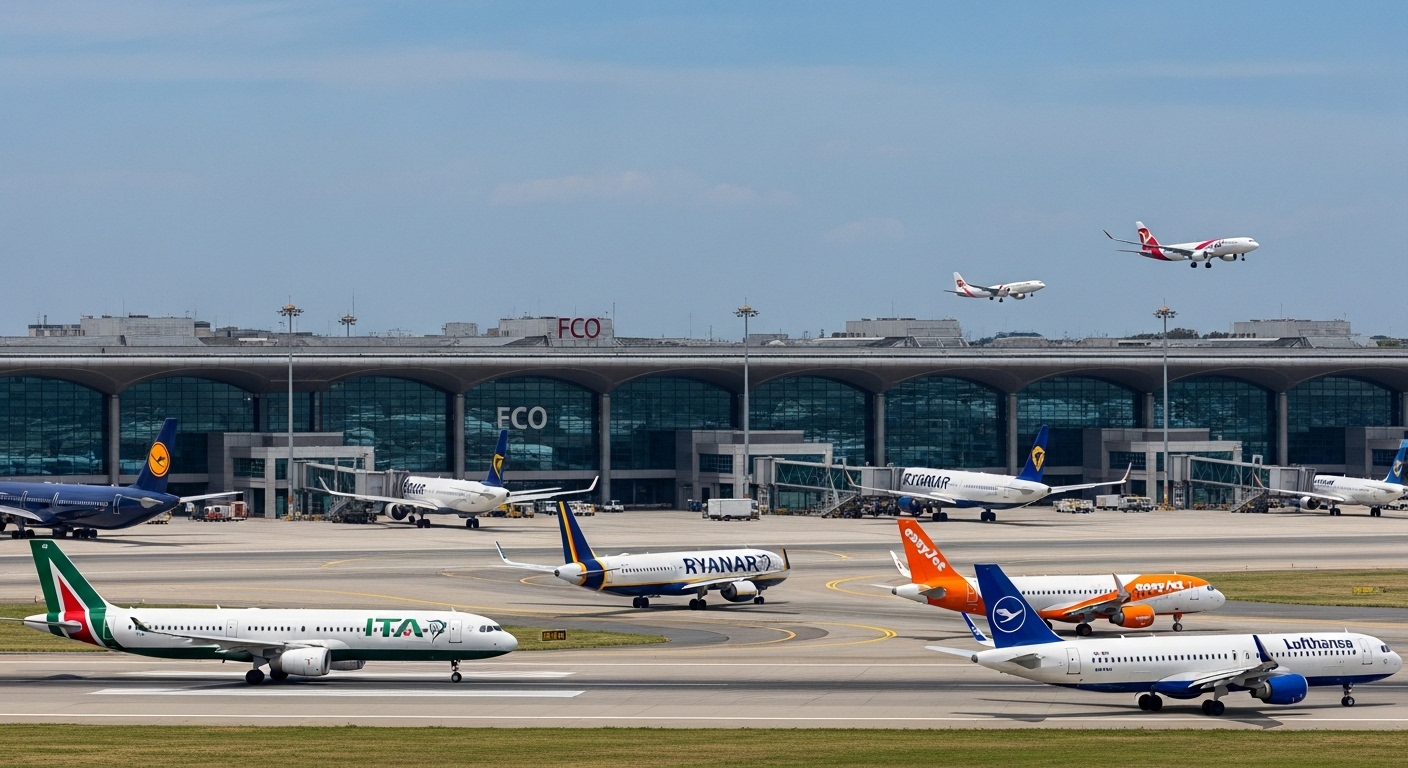
Flights to Rome: The First Big Expense
Flights often account for the highest single cost of a trip.
Typical Round-Trip Airfare
- From North America: $600–$1,100
- From Europe: $80–$300
Prices rise during:
- Late spring and summer
- Major holidays
- Jubilee years or major religious events
Booking early and flying midweek often lowers costs. Shoulder seasons, late fall, and early spring offer strong value without sacrificing the experience.
Getting Around Rome: Transportation Costs
Rome is large, but visitors don’t need a car.
Public Transportation
- Single ticket: ~$1.70
- 24-hour pass: ~$7
- 72-hour pass: ~$18
The metro, buses, and trams cover most tourist areas. While the system isn’t perfect, it’s affordable and widely used by locals.
Walking (Often Overlooked)
Many central neighborhoods are best explored on foot. Walking not only saves money but also reveals quieter streets and local life that visitors often miss.
Accommodation Costs: Location Matters More Than Comfort
Accommodation has the biggest impact on your overall trip to Rome cost.
Budget Stays
- Hostels and basic guesthouses: $40–$90 per night
- Often located outside the historic core but well connected
Mid-Range Hotels & Apartments
- Comfortable hotels or rentals: $120–$220 per night
- Best balance of cost, space, and location
Central & Boutique Hotels
- Near major landmarks: $250–$500+ per night
- You’re paying for proximity, not necessarily quality
Many travelers overspend here by assuming they need to stay next to major attractions. In reality, staying 10–20 minutes away by metro often cuts lodging costs significantly.
Food Costs in Rome: Better Value Than Expected
Food is where Rome often surprises travelers in a good way.
Typical Meal Costs
- Breakfast (coffee + pastry): $3–$6
- Casual lunch: $10–$15
- Dinner at a trattoria: $18–$30
- High-end dining: $50+
Eating well in Rome doesn’t require expensive restaurants. In fact, places catering heavily to tourists are often both pricier and lower quality. Local trattorias and neighborhood bakeries deliver better value and better meals.
Attractions and Sightseeing Costs
Rome’s history is everywhere, and much of it is free.
Free Experiences
- Public squares and fountains
- Churches and basilicas
- Neighborhood walks and viewpoints
Paid Attractions
- Colosseum & Roman Forum: ~$18–$22
- Vatican Museums: ~$20–$25
- Guided tours: $30–$70
Booking tickets in advance often saves more than money, but it can also prevent costly last-minute decisions.
Traveling to Rome on a Budget: What Actually Works
Budget travel in Rome isn’t about cutting corners; it’s about avoiding common traps.
What Helps Most
- Visiting in the shoulder season
- Staying outside the historic center
- Walking instead of overusing taxis
- Mixing free attractions with paid ones
Rome rewards travelers who slow down and plan intentionally rather than rushing from highlight to highlight.
If practical, no-hype travel planning matters to you, GreenSpicks focuses on realistic cost insights that help travelers avoid common budget traps before they book.
Trip to Rome, Italy Package: Is It Worth It?
Packages can be helpful, but they’re not always cost-effective.
When Packages Make Sense
- First-time travelers who want simplicity
- Short trips with limited planning time
- Peak-season travel when availability is tight
When They Don’t
- Longer stays
- Travelers are comfortable with public transport
- Budget-conscious planners
A trip to Rome, Italy, often bundles convenience rather than savings. Comparing the package cost with booking flights and hotels separately usually reveals the difference.
How Rome’s Cost of Living Affects Travelers
Rome’s cost of living is moderate by Western European standards, but tourism creates price pockets.
- Local groceries and services are affordable
- Tourist zones inflate prices
- Everyday meals remain reasonably priced
This explains why two travelers can have wildly different spending experiences in the same city.
Common Budget Mistakes in Rome
How much did you spend on your last Roman holiday?Staying Too Central
Convenience comes at a premium. Many visitors pay significantly more to stay near landmarks they only visit once.
Eating Near Major Attractions
Restaurants near tourist sites are usually more expensive and less authentic.
Underestimating Entry Fees
Small costs add up quickly if every attraction is paid for.
Practical Tips to Keep Costs Under Control
- Stay near a metro line, not a monument
- Eat where menus aren’t translated into five languages
- Plan one paid attraction per day
- Walk whenever possible
- Book major tickets in advance
These small adjustments often save more than cutting experiences entirely.
-
Car Hire Deals: The Ultimate 2026 Guide to Saving 50% or More
-
Cheap Flight Airline Tickets: Find & Book Flights, Best Airfare Deals Site
-
Master City Travel: The Ultimate Guide to Exploring the World’s Best Urban Destinations
Is Rome Expensive? Real Traveler Budgets & Cost Comparisons (2026 Edition)
Planning a trip to the Eternal City often leads to one big question: How much cash do I actually need? While Rome can be a luxury playground, it’s also a city where you can live like royalty on a pizza budget if you know where to look.
We’ve gathered real-world data from recent travelers from backpackers to mid-range explorers to show you exactly what a day in Rome costs.
1. Real User Experiences: “What I Spent in 24 Hours”
| Traveler Profile | Daily Budget (Avg.) | What they got |
| The Budget Backpacker (Sarah, 22) | $55 – $65 | Hostel dorm, supermarket snacks, free walking tours, and 2 slices of pizza al taglio. |
| The Mid-Range Couple (Mark & Jen) | $140 – $160 per person | Boutique hotel, sit-down dinner with house wine, Colosseum entry, and a few espressos. |
| The ‘Treat Yourself’ Soloist (David) | $250+ | Luxury hotel near Spanish Steps, private guided tour, fine dining, and taxi rides. |
🚨 User Tip from the Community:
“Don’t pay for bottled water! There are over 2,500 ‘nasoni’ (drinking fountains) in Rome. The water is ice-cold and delicious. I saved at least $5 a day just by refilling my bottle.” Elena, Travel Blogger
2. The Great Comparison: Tourist Trap vs. Local Gem
Where you eat and sleep in Rome makes the biggest difference to your wallet. Here is a quick look at the price gap:
| Item | Tourist Spot (e.g., Piazza Navona) | Local Gem (e.g., Trastevere/Testaccio) |
| Cappuccino | $5.00 – $7.00 (sitting down) | $1.20 – $1.50 (standing at the bar) |
| Pasta Dish | $18.00 – $25.00 | $10.00 – $14.00 |
| Glass of Wine | $9.00 | $5.00 |
| Gelato (2 scoops) | $6.00 | $3.50 |
The Verdict: Walking just 10 minutes away from major monuments can cut your food expenses by nearly 40%.
3. Transportation: To Pass or Not to Pass?
Rome is surprisingly walkable, but your feet will get tired. Here’s how the costs break down:
-
Single Ticket (BIT): $1.65 (Valid for 100 minutes)
-
24-Hour Pass: $7.50
-
Rome City Pass (48h): ~$35.00 (Includes transport + entry to one museum)
User Experience Hack: “If you’re staying in the Centro Storico, don’t bother with a transport pass. We walked 15k steps a day and only used the Metro once to get to the Vatican. Save your money for an extra gelato!”
4. Hidden Costs to Watch Out For
-
The “Coperto” (Cover Charge): Most restaurants charge $2–$4 per person just for sitting down and the bread on the table. It’s not a scam; it’s standard.
-
The “Standing vs. Sitting” Price: In many Roman bars, a coffee costs twice as much if you sit at a table versus standing at the counter.
-
City Tax: Rome charges a tourist tax (usually $4–$10 per night, depending on the hotel star rating). This is often paid in cash at checkout.
Final Thoughts: How much should you bring?
For a comfortable, authentic experience without “pinching pennies” but also without blowing the bank, aim for $130 – $150 per day (excluding your hotel). This allows for great food, a few paid attractions, and that essential evening Aperol Spritz.
Final Thoughts
The true cost of traveling to Rome isn’t fixed. It’s shaped by timing, location, and expectations.
A well-planned trip doesn’t require luxury spending or extreme budgeting. It requires understanding where money adds value and where it doesn’t. With that clarity, Rome becomes not just manageable but deeply rewarding.
If you’re planning travel with a similar mindset, GreenSpicks focuses on practical guidance that helps travelers make informed decisions without hype or pressure.
Planning travel is easier when expectations match reality. For travelers who value clarity over guesswork, GreenSpicks provides destination cost guides designed to support informed decisions, not impulse planning.
Last Minutes flights to RomeFAQs
Is Rome cheap to visit?
Rome isn’t cheap by default, but it can be affordable with smart planning, especially outside peak seasons.
What is the average trip to Rome cost?
Most travelers spend between $100 and $280 per day, excluding flights, depending on comfort level.
Can you travel to Rome on a budget?
Yes. Staying outside the historic center, using public transport, and focusing on free attractions helps significantly.
Is a trip to Rome, Italy package cheaper?
Sometimes, but packages often prioritize convenience over savings. Comparing options is essential.
How much should I budget for food in Rome?
Many travelers spend $30–$50 per day on food while eating well.